
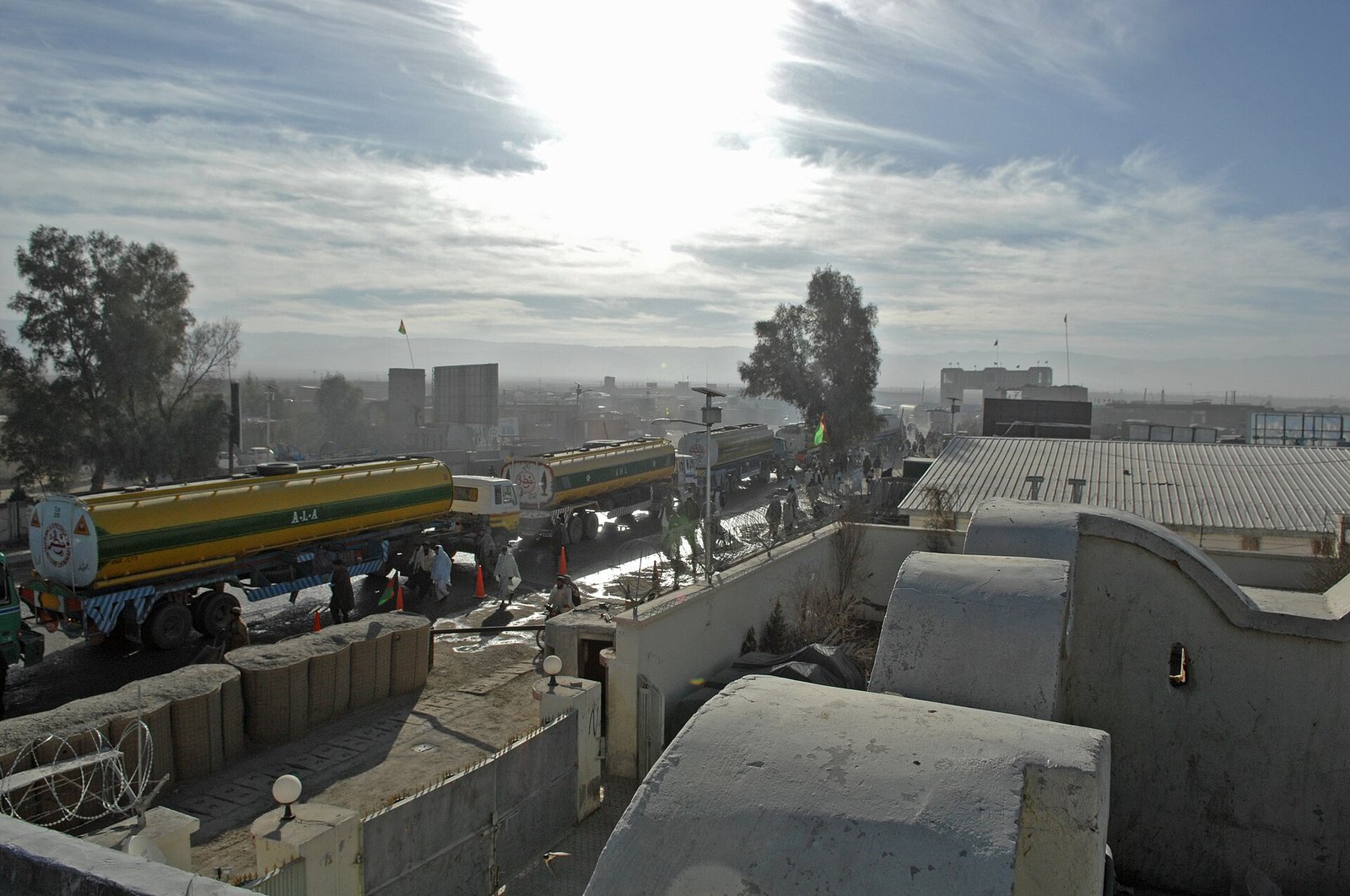
For decades, Pakistan and Afghanistan were connected not merely by a border but by a powerful economic artery. Karachi's ports provided Afghanistan with access to international markets, while Pakistani traders depended on Afghanistan for markets, transit business, fruits, vegetables, coal and other commodities. The relationship was never simple, but commerce repeatedly survived political crises.
Today, that economic artery is dangerously close to being severed.
The latest crisis escalated dramatically in October 2025, when Pakistan closed major crossings including Torkham and Chaman amid deteriorating security relations. The closure transformed a political dispute into an economic crisis. By early 2026, Pakistani business groups estimated losses of around Rs50 billion ($177 million) per month from disrupted Afghan trade.
The numbers reveal how much is at stake. Pakistan–Afghanistan bilateral and transit trade has historically carried potential of more than $5 billion annually, but recurring border disruptions pushed actual trade below $1 billion during the crisis, according to Pakistani trade representatives.
Afghanistan is also paying a heavy price. In 2024, Pakistan accounted for about 45% of Afghanistan's total exports, making Pakistan one of Afghanistan's most important commercial destinations. Food and coal alone represented around 63% of Afghan exports to Pakistan.
But Afghanistan is no longer completely dependent on Pakistan.
That may be the most important economic consequence of the current confrontation.
During 2025, Afghan traders increasingly redirected commerce through Iran's Chabahar port and overland routes through Central Asia. Afghanistan's total trade reached nearly $13.9 billion in 2025, with exports around $1.8 billion and imports exceeding $12.1 billion.
The warning for Pakistan is obvious: markets lost today may become permanently established elsewhere tomorrow.
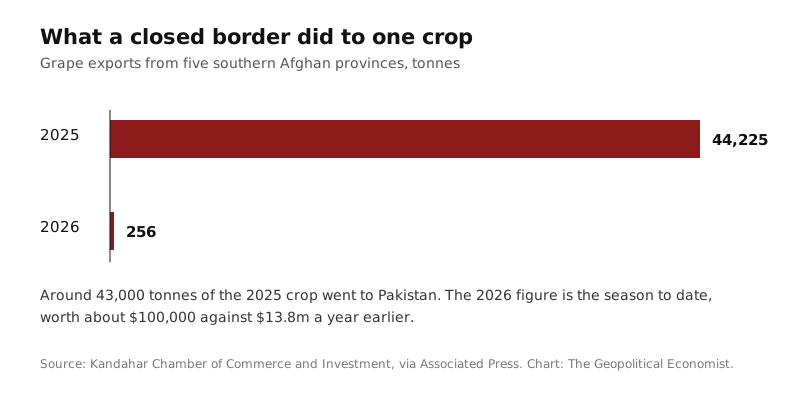
For Afghanistan, however, alternative routes are neither cheap nor painless. The closure has damaged farmers, exporters, transporters and border communities. A striking example is Kandahar's grape industry. In 2025, southern Afghanistan exported more than 44,000 tonnes of grapes, mainly to Pakistan. In 2026, reported exports collapsed to only 256 tonnes amid the disruptions. Orchard employment in one reported case fell from about 1,500 workers to only 15.
Employment pressures make the crisis even more dangerous. World Bank/ILO-modelled data put unemployment in 2025 at approximately 5.4% in Pakistan and 13.4% in Afghanistan. Afghanistan additionally faces exceptionally severe youth-employment problems; the World Bank reported that nearly one in four young Afghans was unemployed.
Pakistan therefore loses exporters, transporters, customs revenue, market share and regional connectivity. Afghanistan loses a geographically convenient market and its most established route toward Pakistani ports.
And there is another hidden cost: trust.
Every closure encourages businesses to find alternative suppliers, routes and customers. Once contracts, logistics networks and supply chains move to Iran, China, Central Asia or other markets, reopening a border does not automatically restore the old trade relationship.
The central deadlock is therefore no longer simply about customs or trucks. Pakistan demands credible security assurances regarding militants operating from Afghan territory; Afghanistan rejects what it views as pressure and seeks uninterrupted trade and transit. Meanwhile, ordinary traders, farmers, truck drivers, labourers and consumers are trapped between security and economics. Recent regional hostilities have made the dispute even more dangerous.
The tragedy is that neither country is winning this economic war.
Pakistan has a market of more than 40 million Afghans within reach and a natural geographic gateway to Central Asia. Afghanistan needs efficient access to ports and regional markets. Their geography makes cooperation economically rational, even when politics makes it difficult.
The choice is now stark: keep turning the border into a battlefield of economic pressure, or transform it into a regulated corridor of trade, security and employment.
Pakistan needs security. Afghanistan needs sovereignty and predictable commerce. Both need jobs.
The real failure would be to discover, years from now, that while the governments were arguing over the border, the markets simply moved somewhere else.
Sources: RFE/RL on the October 2025 closure · Pajhwok on Pakistan's monthly losses · News Central Asia on Afghanistan's trade realignment · Bakhtar News on 2025 trade volumes · Associated Press on the grape harvest · World Bank unemployment data · World Bank on Afghan youth unemployment.
Comments
No comments yet. Be the first.
Comments are closed on this article.