Nothing of that type yet.
-
Analysis · South Asia
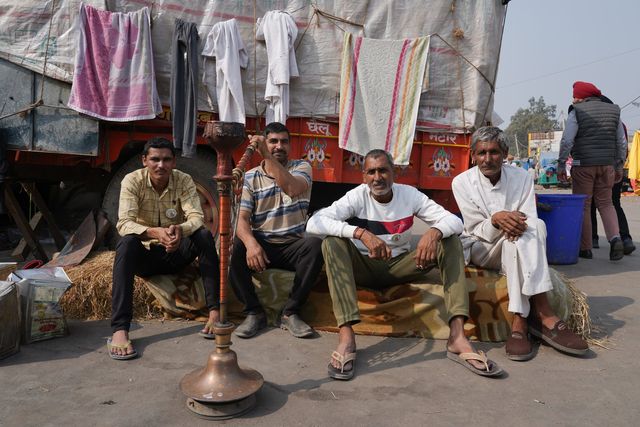
India’s Agricultural Trade Is Not Just About Protection or Free Trade
India’s trade talks with the United States reveal a key challenge: protecting farmers while keeping animal feed affordable. Selective imports could help feed producers but may also increase competition for Indian crop farmers.
-
Opinion · Africa
The Growth and Welfare Paradox: A Note on the IMF’s High GDP Growth Projections for Africa
Sub-Saharan Africa’s projected economic growth masks persistent challenges in poverty, inflation, employment, and public debt, raising the question of how economic growth translates into people’s welfare.
-
Opinion
LCT and Dollar Face-Off
This article examines how local currency transactions and regional payment networks are expanding cross-border settlement options, even as the US dollar retains its central role in the global financial system.
-
Research report · South Asia
The Global Gen Z Protest Wave
Why young people mobilise, how digital platforms shape unrest, and who gains power. A global research report with detailed India, Europe and Nepal analysis.
-
Research report · Americas
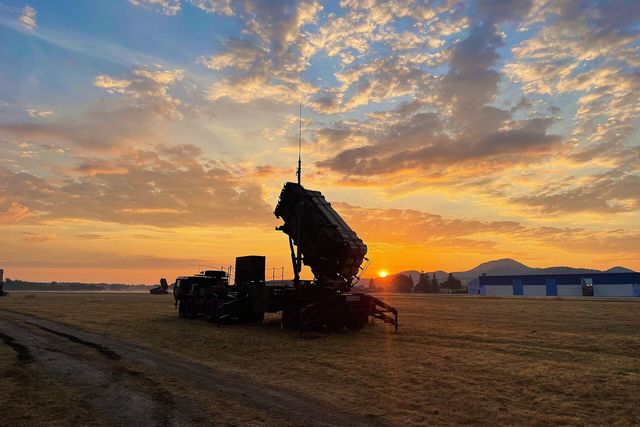
Can America Sustain Its Global Defence Commitments?
Europe, the Middle East and East Asia, 2027–2030. A members' research report on whether the United States can keep its security commitments when crises overlap: the forces it can use, what allies can take on, and three scenarios to 2030.
-
Analysis · Indo-Pacific
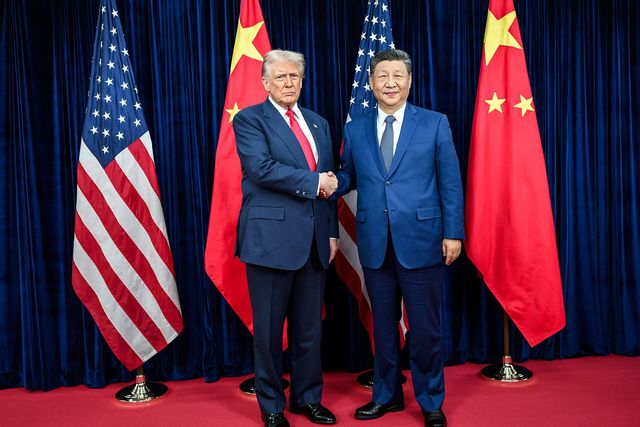
The US–China Truce Is Held Together by Hostages, Not Trust
Each extension of the US–China trade truce is shorter than the last. What keeps it alive before Shenzhen is not a deal but two chokepoints, China's rare earths and America's aircraft parts, each held as a hostage by the other side.
-
Opinion
Danantara’s Global Ambition: From Sovereign Fund to Investment Network
Danantara’s expanding global investments and strategic partnerships could transform it from a sovereign investment vehicle into a network connecting Indonesian capital, assets and business with global markets.
-
Analysis · South Asia
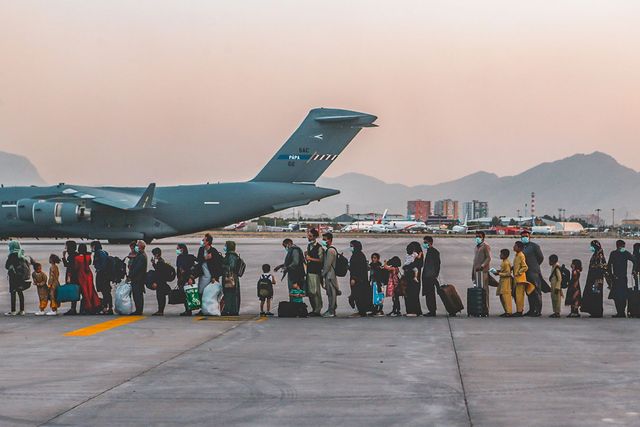
The Twenty-Year War That America Lost in Victory
Afghanistan: The Human, Economic, and Strategic Cost to America, Its Allies, Pakistan, and the Region
-
Opinion · Indo-Pacific
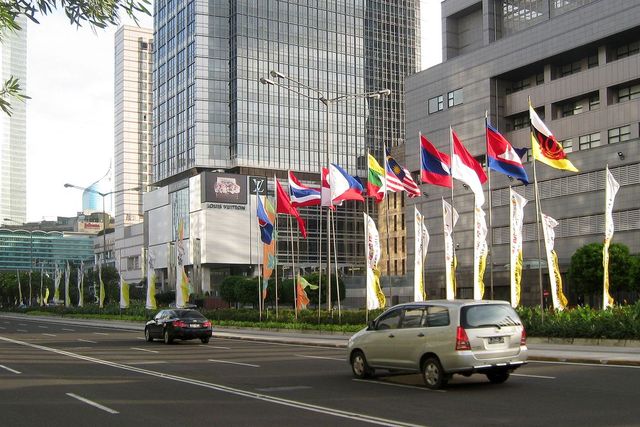
ASEAN Economic Security Alarm
ASEAN’s strong economic growth is masking widening disparities in technology, investment and productive capacity, raising a critical question: can the region turn growth into genuine economic security for all its members?
-
Opinion
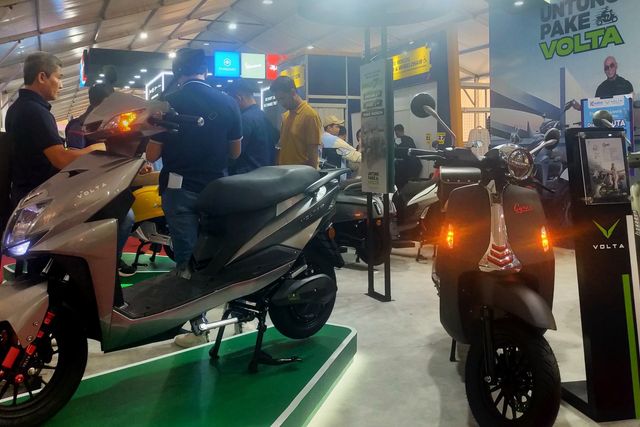
BMKS: Can Indonesia Turn Nickel Power into Leadership in Asia’s Electric Motorcycle Battery Market?
Indonesia’s planned Strategic Minerals and Commodities Exchange could help turn its dominance in nickel production into a competitive advantage in Asia’s electric motorcycle battery industry through stronger price discovery.
-
Opinion · Americas
Signals of a Global Geo-economic and Geopolitical Shift
Barrack's statement signals a shift in the global order, as America's enduring economic and financial dominance faces growing geopolitical competition from China and other rising powers, pushing the world toward a more multipolar system.
-
Research report · South Asia
Will the US Switch On Its Waived 100% Russian-Oil Tariff, and Which Indian Exports Would Pay?
The full report. On 16 October Washington set a 100 per cent duty on the largest buyers of Russian oil and waived it in the same order. What the law and the order say, where India's Russian oil buying stands, how the waiver could end, and which Indian exports would pay if it does.
-
Analysis
Islamic Finance Must Deliver More Than Transaction Figures
Indonesia's growing Islamic finance industry must look beyond financing volumes and business commitments to measure its real impact on productivity, market access, and inclusive economic growth.
-
Research brief · Americas
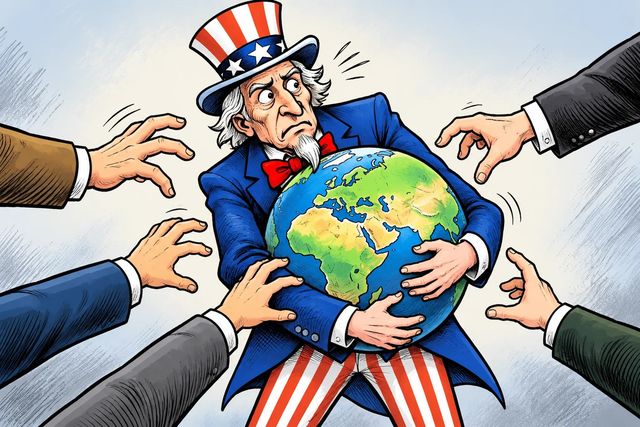
The Debt Behind American Power
As US debt rises, the financial value of dollar dominance grows. This essay examines whether Washington can reduce its global commitments without weakening the conditions that help sustain its borrowing advantage.
-
Opinion · Indo-Pacific
From China+1 to ASEAN+1: Building a Regional Production Network
As global supply chains shift beyond China, ASEAN has an opportunity to strengthen regional economic integration by connecting its complementary manufacturing, investment, and logistics capabilities.
-
Analysis · South Asia
Pakistan's Mineral Wealth: A Geological Fortune, A Governance Failure and A Geopolitical Contest
Why a Resource-Rich Nation Has Yet to Transform Its Underground Wealth into Broad-Based Prosperity
-
Opinion · Americas
US Inflation Is Surging: An Alarm for the Global Economy?
Rising US inflation, driven by surging energy prices and persistent cost-of-living pressures, threatens to reshape global financial conditions and create new economic challenges for emerging markets.
-
Analysis · South Asia
The Bhagiratha Wager: Why India's AI Sovereignty Needs the River-Interlinking Idea
The two projects are not rivals for the same rupee. They are the same wager made at two scales: that a civilisation-state must be able to sense, model and steer the large systems on which its life depends.
-
Opinion · Europe
As Europe Negotiates with China: A Test for the US and a Strategic Opportunity for ASEAN
Europe's trade negotiations with China test transatlantic economic coordination while creating a strategic opportunity for ASEAN to strengthen its role in global trade.
-
Analysis · Europe
Europe's Diesel Dependence Is Now a Strategic Liability
Washington's Russian diesel waiver is not simply an American sanctions reversal. It exposes Europe's dependence on imported fuel and the limits of a common Western policy when the United States changes course.
-
Analysis · Middle East & North Africa
Bangkok's Debt Test: Who Pays for the Iran War?
The IMF and World Bank arrive in Bangkok as the Iran war drives up fuel and fertilizer costs. The crisis is not only about supply. It is about which governments still have room to protect their people, and which are being forced to pass the bill on.
-
Analysis · South Asia
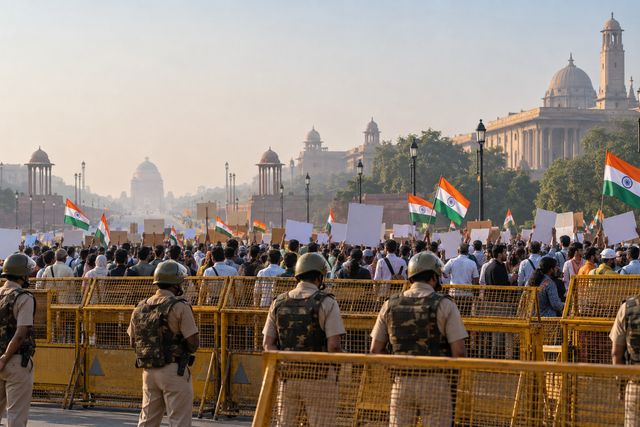
Delhi’s Barricades and the ‘Vote Theft’ Claim: What the SIR Record Shows
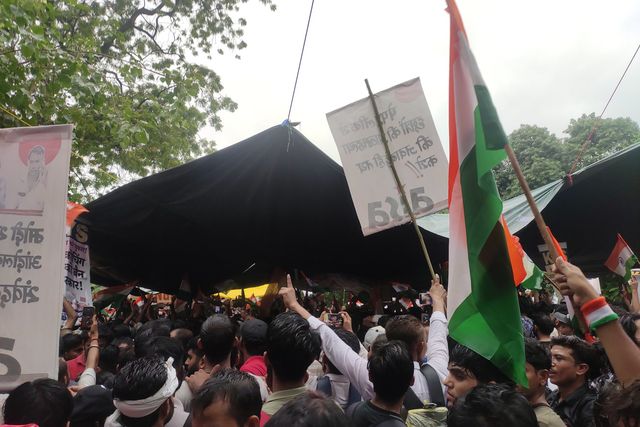
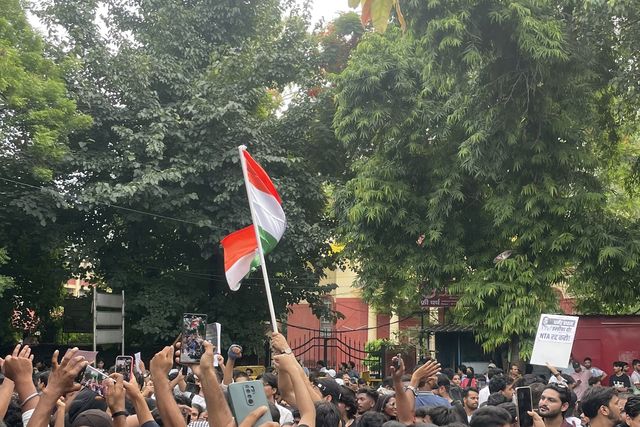
The October 10 protest put two different questions on the same street: whether the Election Commission’s Special Intensive Revision has been conducted transparently, and whether a political slogan can turn a disputed roll exercise into proof that an election was stolen. The first deserves an answer. The second still lacks the evidence it claims.
-
Analysis · Europe
The EU Signed Four Trade Deals in Nine Months. None of Them Solves Its Problem.
Between January and March 2026, the European Union concluded trade agreements with Mercosur, India and Australia, and began implementing the framework it struck with the United States the summer before. A steel and aluminium deadline arrives on 31 December. This brief asks whether the deals amount to a strategy or a shopping list.
-
Research brief · Russia & Eurasia
Which Firms in India, the UAE, Türkiye and China Are the US, EU and UK Sanctioning Over Russia and Iran?
Since January 2024 the US, the EU and the UK have taken 1,674 measures under their Russia and Iran sanctions against firms and people with an address in India, the UAE, Türkiye, mainland China or Hong Kong. A new monitor records every one, links it to its official source, and sets it beside the rules and the trade at stake.
-
Analysis · Africa
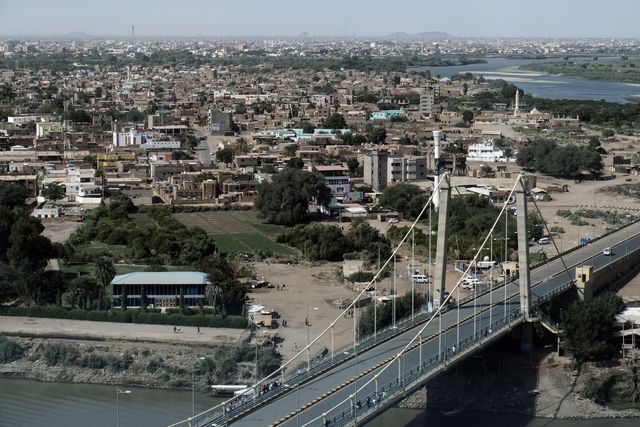
Sudan's Civil War and the Regional Balance of Power
Sudan's civil war is drawing in regional powers whose competing security and economic interests could make a settlement harder to reach.
-
Analysis · Africa
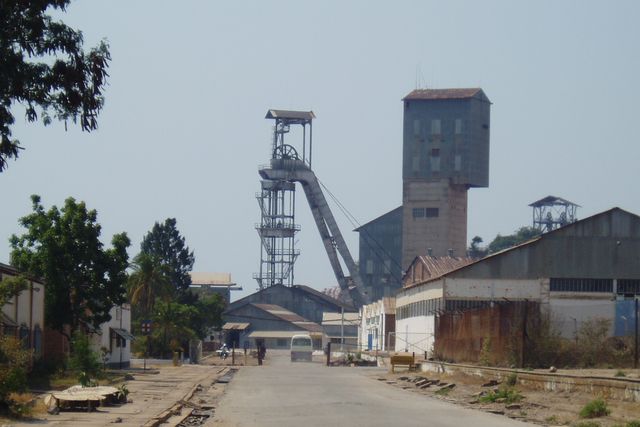
The Congo's Cobalt Export Ban Looks Like a Sovereignty Move. Its Own Design Says Otherwise.
This analysis examines whether the DRC’s cobalt export restrictions represent genuine resource sovereignty or primarily expanded regulatory control. It argues that the 2025 quota system largely preserved the dominance of foreign-owned producers because its base allocation relied on historical export shares. While the state gained greater discretion over export rights in 2026, the clearest fiscal benefit still comes through existing mining royalties, rather than a substantial redistribution of cobalt rents.
-
Analysis · Africa
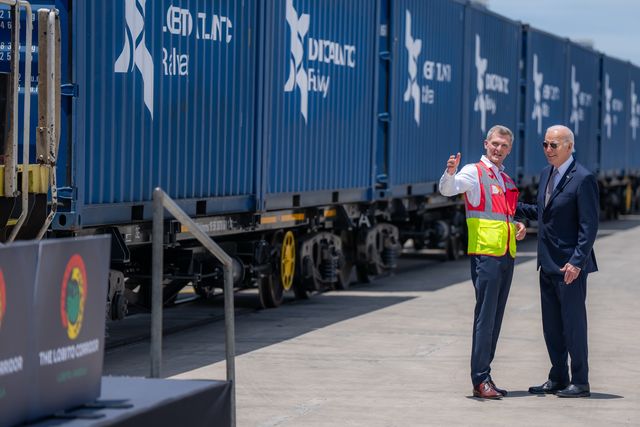
The Lobito Corridor Isn't an Alternative to China's Railway. It's China's Railway, Re-engineered for a Western Strategic Era.
The Lobito Corridor is widely described as the West's infrastructure answer to China in Africa's critical minerals race. This analysis finds a more precise pattern: the railway's physical core was rebuilt by Chinese financing and contractors between 2006 and 2015, and what the United States, the European Union and regional development banks have financed since 2022 is the operating concession and modernization of that existing line, not a newly built alternative. The one genuinely new piece, a Zambia-Angola extension, has fallen behind its own timeline, while China has already signed a comparable concession to modernize its own competing corridor.
-
Research brief · South Asia
Will the US Put a Tariff on Indian Goods Over Russian Oil, and Who Would Pay?
A new US law says the President must add a duty of up to 100 per cent to everything India sells to the United States because India buys Russian oil, unless he waives it. What the law says, how likely a duty is by 18 October, and which Indian exports would pay.
-
Research brief · South Asia
Five Movements, One Template: What India's Big Protests Have in Common
Part 5 of The Protest Question. Put India's five largest movements since 2019 on the same twelve-line template and a pattern appears. Each had a domestic trigger a court or ministry can be named for. Each was met with a foreign-hand claim within days. Twenty such claims are on the record. A court has upheld none of them.
-
Research brief · South Asia
The Verdict: Is India's Protest Wave Engineered?
Part 6 of The Protest Question. The series set out to test a hypothesis many Indians hold and officials repeat: that the country's rising protests are engineered from outside. This part makes the strongest case for it, the strongest case against it, and says what the evidence settles, what it cannot, and what follows for the state, for investors and for India's standing.
-
Research brief · South Asia
Follow the Money: What the FCRA Record Shows About Who Pays for India's Protests
Part 3 of The Protest Question. The state's lever over foreign money is the Foreign Contribution (Regulation) Act, and it has been pulled hard: half the licences gone in a decade, a new Bill that would seize lapsed NGOs' assets. What the orders, charge sheets and judgments do not yet contain is a single finding that foreign money paid for a protest of the last six years.
-
Research brief · South Asia
The Foreign Hand, Measured: What Is Proven About the Amplification of India's Protests
Part 4 of The Protest Question. Coordinated amplification of Indian protest is plausible in every direction and documented in several. For the Cockroach Janta Party movement of 2026, the claims of a Pakistani network and a digital conspiracy rest, as of October, on nothing anyone can examine. This part separates what platforms, courts and researchers have shown from what officials have said.
-
Opinion · South Asia
Three Myths the West Gets Wrong About CPEC
Beyond the headlines: why calling a $62 billion trade corridor a "debt trap" misses what is actually happening on the ground.
-
Analysis · Africa
The Sahel Didn't Replace France. It Unbundled It.
Mali, Burkina Faso and Niger are often described as having swapped France for Russia. The record shows something narrower: the security layer of France's presence was replaced quickly, through Wagner and Turkish drones, while the development finance, monetary architecture and institutional access that came with it were not replaced at comparable scale by anyone.
-
Analysis · Africa
The G20 Common Framework Fixed Who Sits at the Table. It Never Fixed the Clock.
The Common Framework brought China and the Paris Club into one restructuring process for the first time. It left the timeline open-ended, and the IMF and World Bank have since called the missing standstill and deadline design gaps. The delay, not the generosity of each settlement, has been its most underpriced cost.
-
Research brief · South Asia
What Indians Are Protesting About. It Isn't Prices.
Part 2 of The Protest Question. The grievance behind India's record protest count is the state's failing examination and hiring machine, not the cost of living. The data shows where the pain is, when it erupts, and what companies operating in India should read into it.
-
Research brief · South Asia
Are Indians Protesting More? Yes. Here Is the Evidence.
Every count of protests that exists for India points the same way. The ACLED event record shows demonstrations nearly doubled since 2016 and at a record in 2024 to 2026. The police's own count of agitations was rising before that. A catalogue of 217 major protests since 2000 shows the rate doubling since the late 2010s. The protests are also more peaceful than a decade ago. What has fallen is rioting, which is a different thing.
-
Analysis · South Asia
Afghanistan After NATO: When the Balloon Economy Lost Its Air
From the pre-9/11 battlefield to two decades of foreign-funded state-building — and now a search for economic survival
-
Analysis · South Asia
Why AI Power Will Be Claimed in the Next Thirty Months, and by Whom
India and Russia cannot win the race for capacity. They can contest the race for standing, and standing has a shorter clock.
-
Analysis · Russia & Eurasia
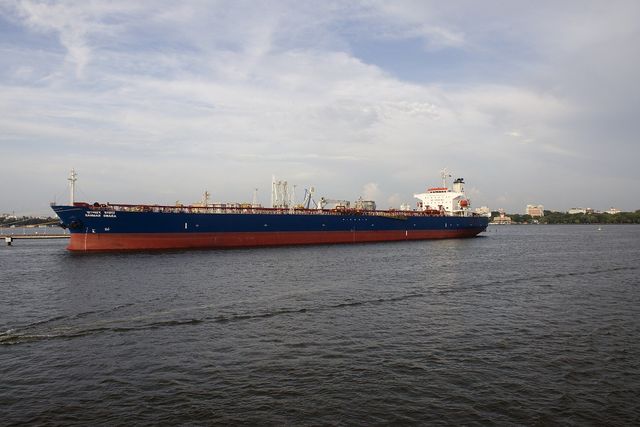
The Price Cap Didn't Stop Russian Oil. It Created a Toll Booth.
The price cap was meant to cut Russia's revenue while keeping its oil on the market. Its enforcement built a parallel shipping system whose costs are shared unevenly by exporters, shipowners, insurers, traders and refiners.
-
Analysis · Middle East & North Africa
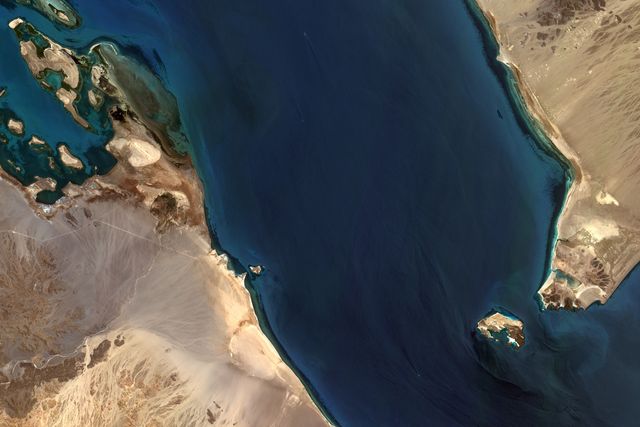
The Sandals Gatekeepers: How a Houthi–Horn Axis Could Redraw Red Sea Power
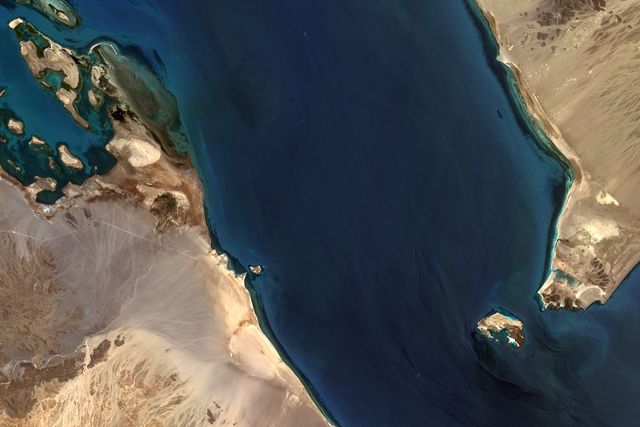
In September the Houthis stopped being an insurgency and became a landlord. With al Shabaab on the opposite shore, the Red Sea faces a dual chokepoint squeeze.
-
Analysis · Africa
The UAE Doesn't Buy Africa's Goods. It Buys the Gates.
Emirati influence in Africa is better measured by position than by pledges: ports, gold markets and farmland place the UAE at the points where African goods change jurisdiction or form.
-
Analysis · Middle East & North Africa
The Middle East’s New Firestorm: The Houthis, Saudi Arabia and the First Test of the Makkah Pact
The pact's most important test may not be whether Pakistan and Türkiye enter the Yemen war, but whether the three countries can strengthen Saudi Arabia's defence while preventing the conflict from widening.
-
Analysis · Africa
Egypt Didn't Fix Its Foreign Currency Problem. It Rented a Solution.
The $35 billion Ras El-Hekma deal with the UAE, not structural reform alone, most immediately eased Egypt's foreign-exchange crisis, arriving just as Houthi attacks collapsed Suez Canal revenue.
-
Analysis · South Asia
The Cost of Partition: What the Subcontinent Lost in 1947
What was the economic, political and social price of dividing an integrated subcontinent?
-
Analysis · Indo-Pacific
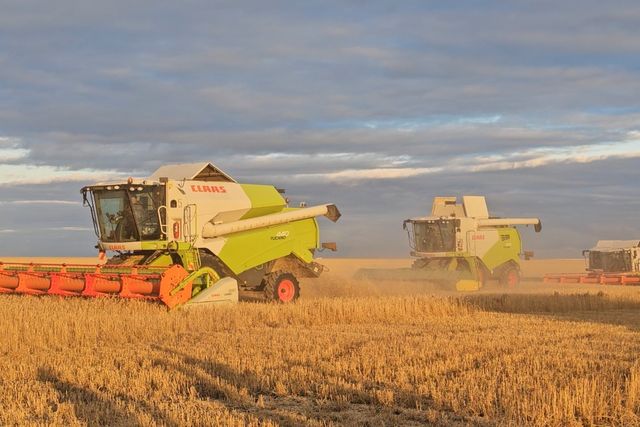
Kazakhstan’s Agricultural Machinery Revolution
How Astana Is Turning Foreign Competition into Industrial Power
-
Analysis · Africa
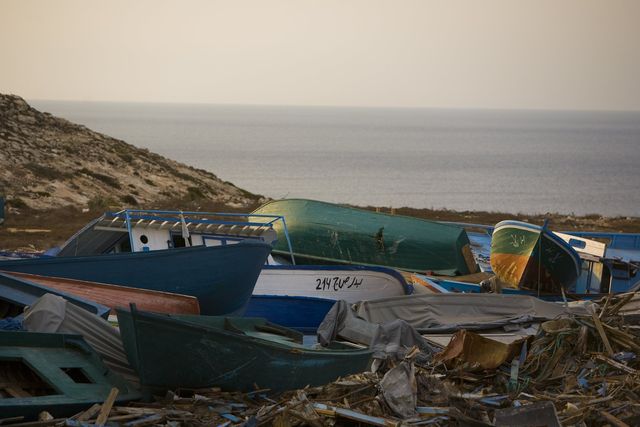
The Migration Management Trap: No Victims, No Criminals—Only Managers
Migration is neither a threat nor a tragedy. It is a system of management—and everyone is a manager.
-
Analysis · Africa
The Global South's Financial Alternative Isn't the One With BRICS on the Door
Africa's most consequential break from dependence on external financial intermediaries is not the BRICS-led New Development Bank, but the Pan-African Payment and Settlement System, a homegrown initiative moving money across African currencies without routing it through a third one.
-
Opinion · South Asia
What If We Were Not Enemies?
Pakistan and India: two neighbours spending too much energy on each other, while poverty waits at the door
-
Commentary · Middle East & North Africa
The Conflict That Conscripts Its Spectators
Why Israel and Palestine turn distant observers into participants in a war over legitimacy
-
Analysis · Africa
Why Gold Can Buy Political Distance and Garments Cannot
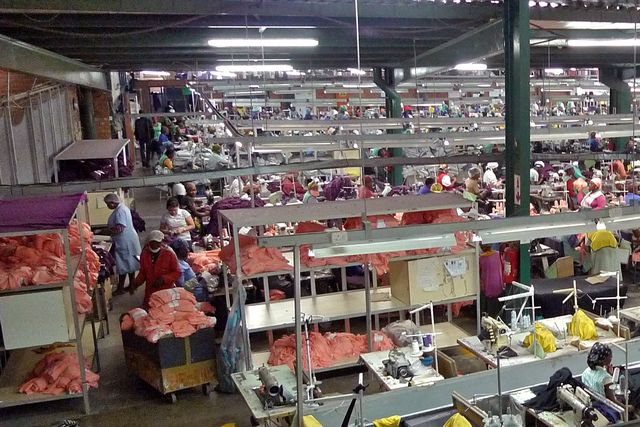
South Africa and Lesotho share a currency and a customs union, and absorbed the same American trade shock. The difference between their outcomes is not primarily about politics. It is about what each country sells, and how much of the value of those exports survives when the buyer changes.
-
Commentary · Americas
Trump Storms the UN Stage
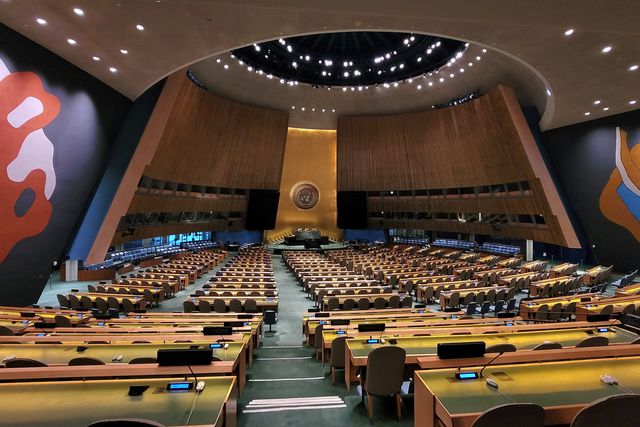
Trump's speech to the United Nations put the contours of 'civilizationism' into greater relief. The real test case is not Iran but Cuba — and the ideology shaping both Trump's and Rubio's approach to the western hemisphere.
-
Analysis · Africa
Nigeria's Rating Upgrade Is Partly a War Dividend
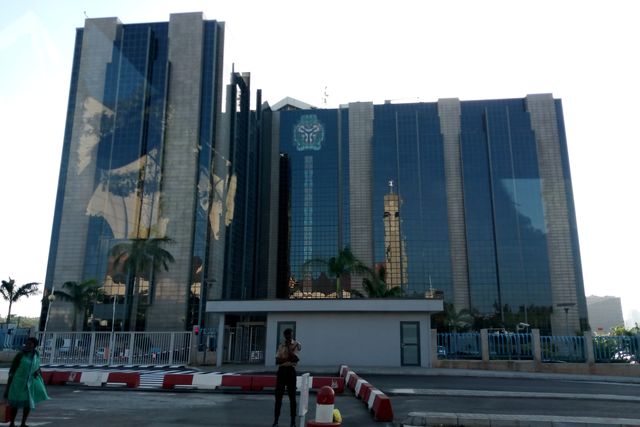
Nigeria's sovereign credit rating upgrade is being presented as proof that three years of painful reform have finally paid off. Some of it has. But part of the improvement traces back to an oil price spike tied to a war Nigeria did not start.
-
Analysis · Middle East & North Africa
Beyond Hormuz: How Saudi Arabia's Oil-Route Redundancy Is Being Tested
The East-West pipeline gives Saudi Arabia an alternative to the Strait of Hormuz, but when one route fails, the remaining routes can become new points of vulnerability.
-
Analysis · Americas
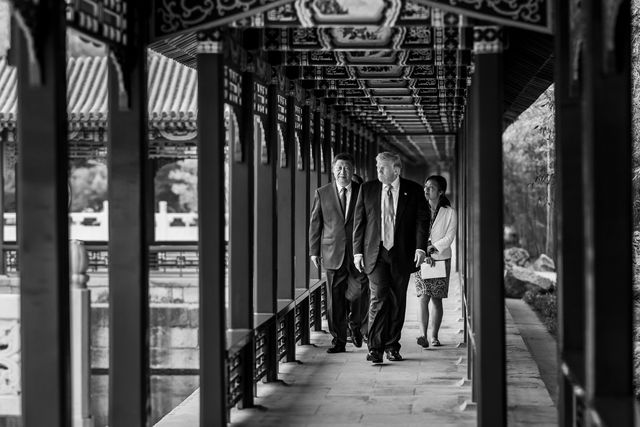
Why China Will Get What It Wants From Trump
Xi arrives in Washington with rare earths, cheap energy, and leverage. Trump arrives with $6 diesel and a war he can't afford.
-
Analysis · Africa
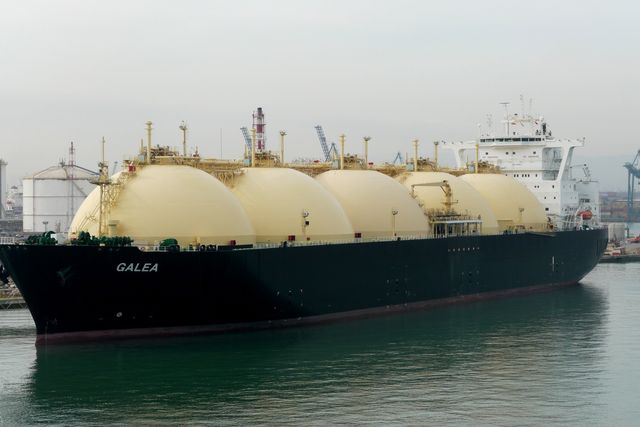
Mozambique's LNG Restart Is a Fiscal Bet on Timing
Mozambique's delayed LNG restart could bring major gas revenues into state coffers just as a global supply wave reshapes prices, buyer leverage and the value of that revenue.
-
Analysis · South Asia
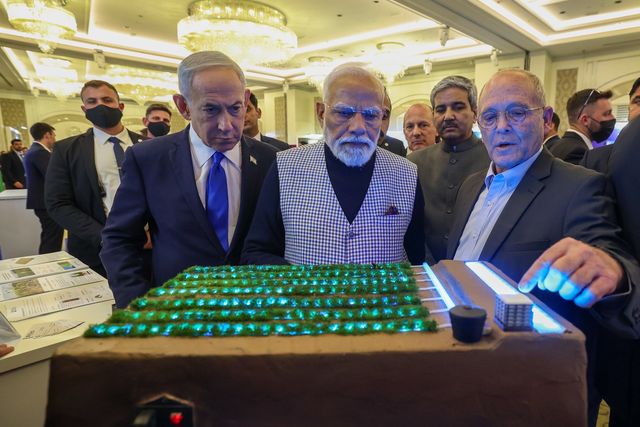
Grid, Factory, and the Shared Sovereignty Problem: India-Israel Convergence in Electrical, Automation, and Robotics Technology
India's manufacturing scale without design-and-verification depth, and Israel's design-and-verification depth without manufacturing scale, are mirror-image versions of the same incomplete sovereignty position. Converging them is not merely good industrial policy.
-
Analysis · Africa
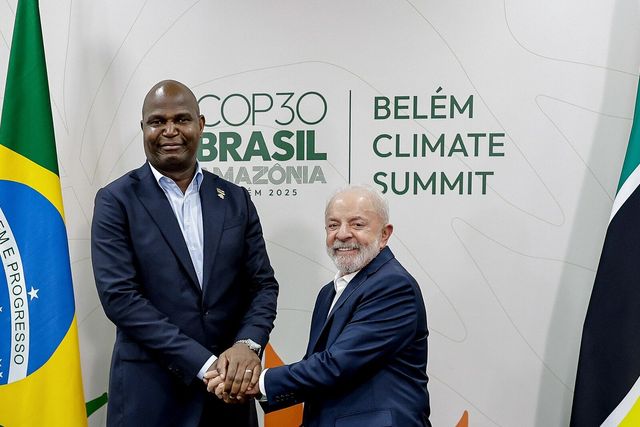
Mozambique's Mining Law Is a Fiscal Bet on Resource Sovereignty
Mozambique's 15% state mining stake could increase public control over mineral resources, but its success will depend on whether the country can attract the investment needed to turn that stake into actual revenue.
-
Briefing · South Asia
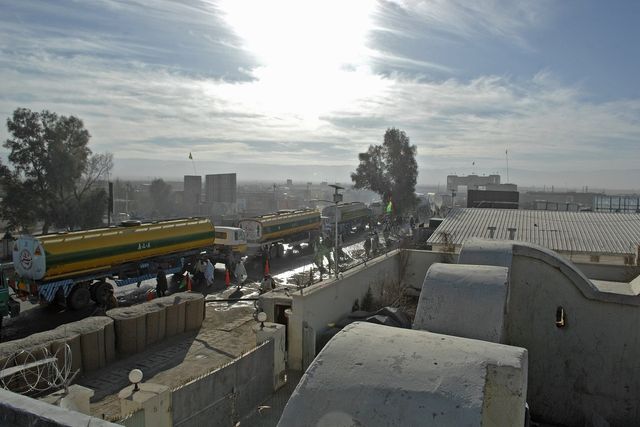
Pakistan, Afghanistan Trade: From a Historic Lifeline to an Economic Deadlock
When two neighbours close their doors, both sides pay the price.
-
Analysis · Africa
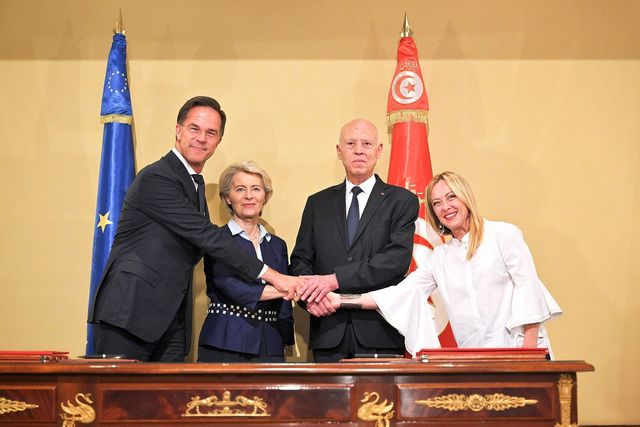
Who Defines Tunisia's Geopolitical Value? How Its Environment Shapes the State Itself
Tunisia's geopolitical value is not simply imposed by Europe, America or China. It is produced through an unequal exchange in which external demands reshape domestic incentives, and eventually the state itself.
-
Analysis · South Asia
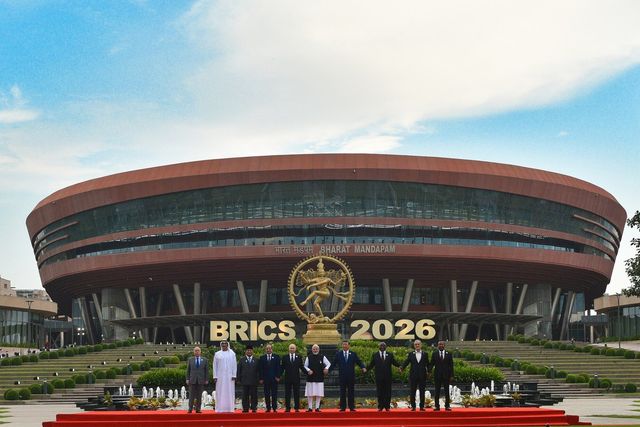
Bangladesh's BRICS Absence Was About More Than Protocol
Dhaka's no-show in New Delhi exposed a narrowing strategic space between BRICS-style financial autonomy and new U.S.-linked economic-security commitments.
-
Analysis · Europe
Canada Cannot Join Europe. It Can Get Most of the Way There.
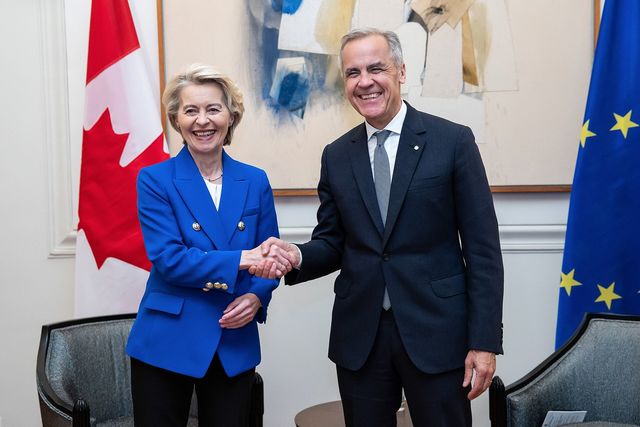
Ottawa is exploring a status that does not exist, with a bloc whose treaties say it cannot join, to escape a neighbour that takes seven in ten of its exports. This brief sets out what is actually on the table, what is not, and how to price the outcomes.
-
Analysis · Russia & Eurasia
Washington Is Now Defending Russia's Oil Refineries
American diesel passed $6 a gallon on Friday. On Sunday the President asked Ukraine to stop destroying the refineries of the country he is sanctioning. The two facts are the same fact.
-
Analysis · Middle East & North Africa
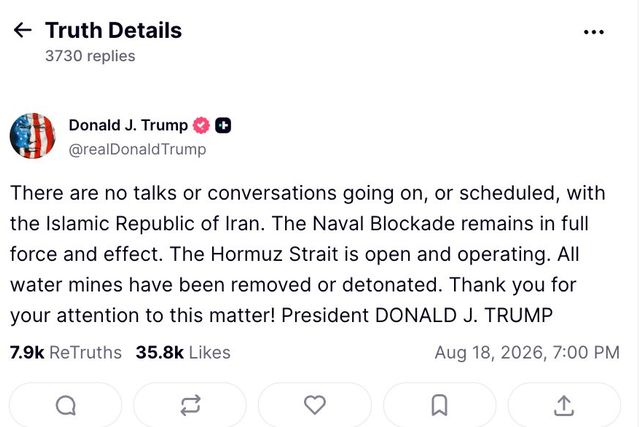
The Last Way Around Hormuz Is Closed
Drones launched from Iraq shut the pipeline that carried five million barrels a day past the strait. Brent is above $107, the ten-year Treasury is at 4.97%, and the Federal Reserve meets on Wednesday.
-
Analysis · Russia & Eurasia
Does Russia Alienate Russians It Later Claims It Must Protect?
Russia's war has driven Russians into neighbouring countries, potentially creating the very diaspora populations Moscow could someday invoke to justify political pressure or intervention.
-
Analysis · Indo-Pacific
Why India and China Secretly Want the Dollar to Survive
The bloc's two biggest economies hold trillions in dollar assets, and their rivalry makes a shared alternative even less likely.
-
Analysis · Middle East & North Africa
Why Trump Can't End the Iran War After the Midterms
The Vice President says by January 2029. The theory of how wars end says neither of them controls the date.
-
Analysis · Middle East & North Africa
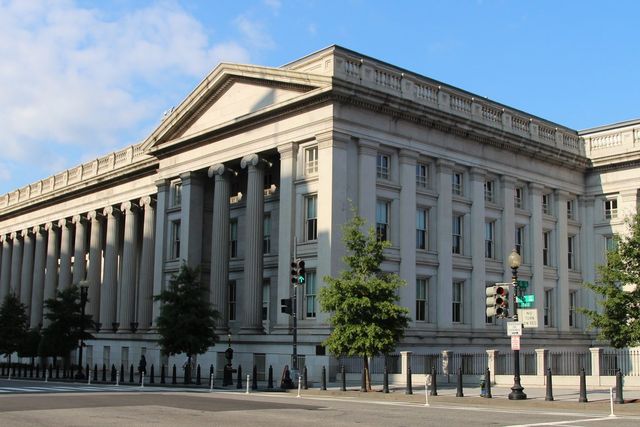
America Is Bombing Its Own Bond Market
Five Iranian tankers are burning, oil has crossed $100, and the U.S. Treasury is paying more than $1 trillion a year in interest. These three facts are one story.
-
Analysis · Europe
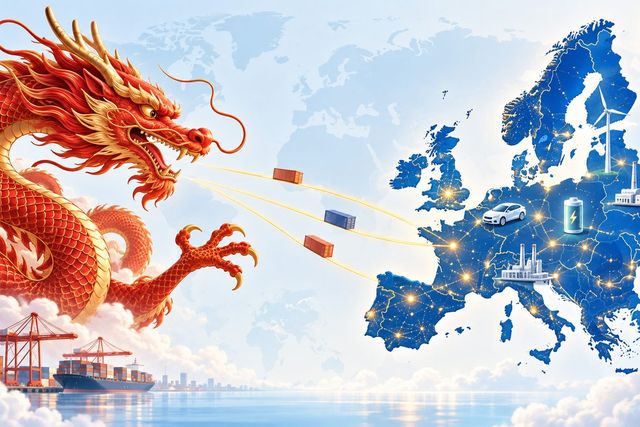
Europe Is Becoming a Chinese Colony
How Europe’s trade imbalance with China is becoming a vulnerability for jobs, manufacturing, and security.
-
Analysis · Indo-Pacific
China Won’t Invade Taiwan. It Will Quarantine It.
A blockade is an act of war. A quarantine is paperwork
-
Analysis · Americas
Trump Doesn’t Want Money From His Allies. He Wants Their Soldiers.
South Korea pay the price of the US security guaranty
-
Analysis · Middle East & North Africa
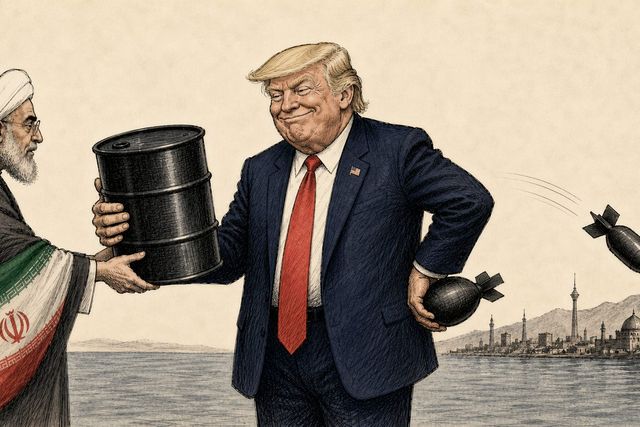
The U.S. Imported Iranian Oil While Bombing Iran
For one month, a quiet Treasury licence made Iranian crude legal in American ports
-
Analysis · South Asia
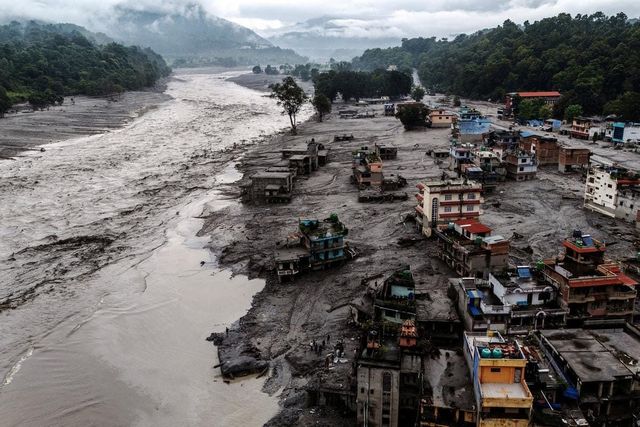
China’s Water Bomb Has Exploded in Nepal — and the World Is Silent
Climate change broke the mountain, but China’s upstream secrecy and the world’s silence turned disaster into catastrophe.
-
Analysis · Russia & Eurasia
Russia Is Frustrated. Europe will be targeted next.
Britain crosses Moscow’s red lines, and NATO’s defences run dangerously low.
-
Analysis · Russia & Eurasia
The World Is Moving Toward a Food Crisis. Russia Could Be the Last Resort.
War, fertiliser shortages, export restrictions and El Niño are breaking the global food chain
-
Analysis
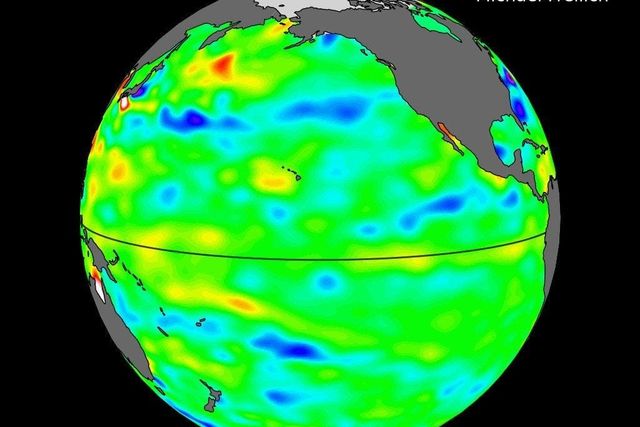
The Biggest El Niño Since 1877 Could Hit Harder
This time, we have 18 months’ warning — and still no plan.
-
Analysis · Americas
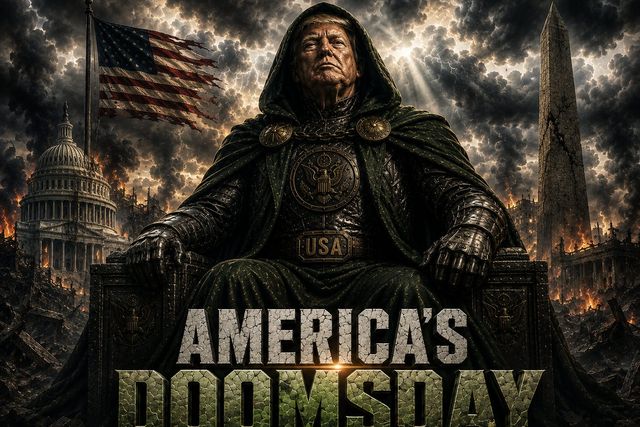
When Will America’s Economic Doomsday Actually Hit?
There are five things that have to happen first — and two of them happened this week.
-
Analysis · Middle East & North Africa
Iran Is Waiting for the US Midterm Elections
In 1980, It Waited for the American Election, and It Is Waiting Again.
-
Analysis · Europe
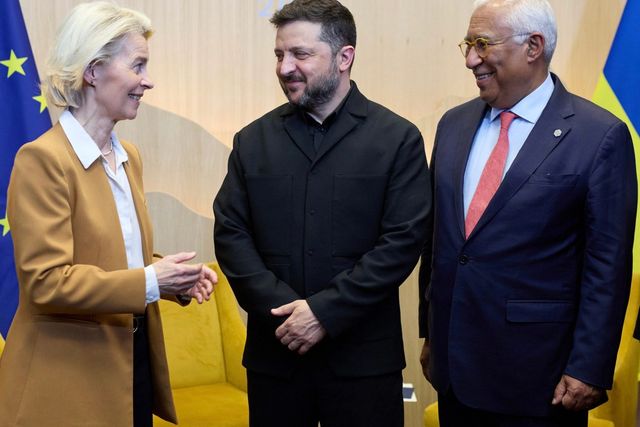
How Far Can Europe Go for Ukraine?
Europe has become Ukraine’s biggest financial backer. The real question is whether Europe’s own economy can survive the cost.
-
Research paper · Americas
The End of the Liberal International Order? What Comes Next, We Still Do Not Know
The liberal international order is widely held to be breaking apart, yet scholars disagree about what is breaking, when the breakdown began, and what will take its place.
-
Analysis · Americas
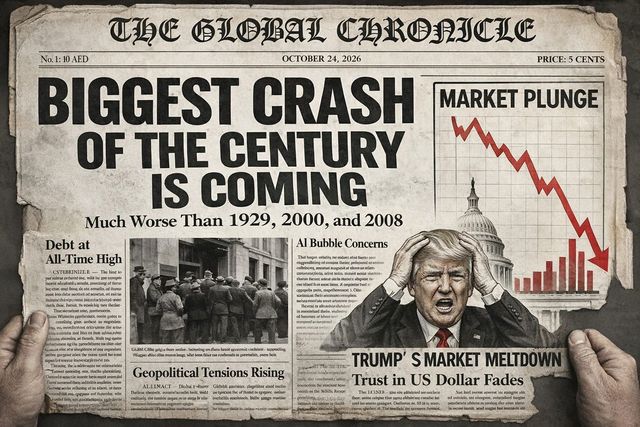
The Crash Will Begin in America and Hit the Entire World
Much Worse Than 1929, 2000, and 2008
-
Analysis · Europe
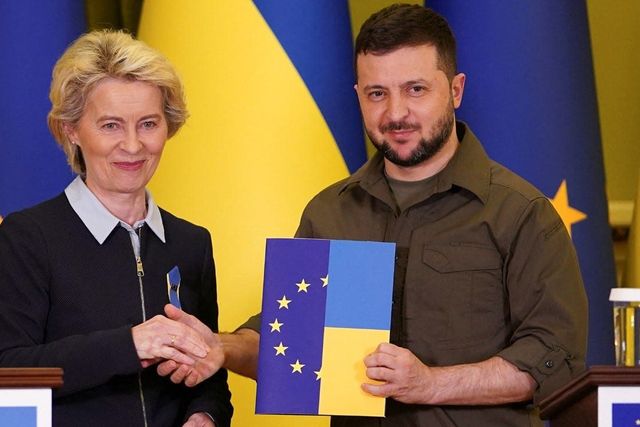
The Two-Tier System of the European Union
Why Fast-Tracking Ukraine Could Reshape EU Membership Forever
-
Analysis · Americas
Why Greenland Is Not Worth It for Trump
Natural resources, power politics, and the high price of coercion
-
Analysis · Russia & Eurasia
Russia’s War Economy Is Finally Breaking Apart
The Illusion of Strength Is Fading
-
Analysis · Europe
London’s Great Wealth Exodus
Why London’s Millionaires Are Fleeing And Where They’re Heading
-
Analysis · South Asia
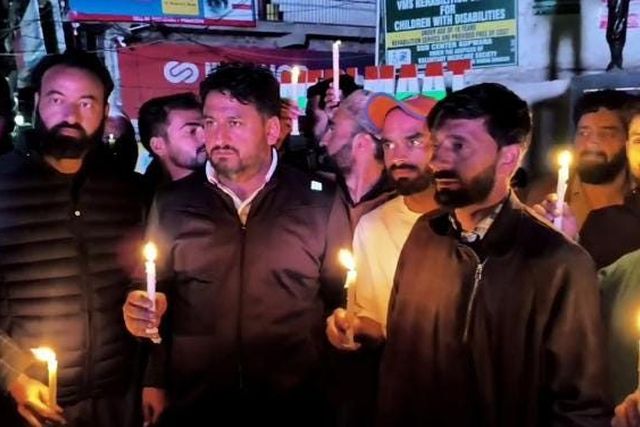
India-Pakistan: The Next Major War?
5 ways India can respond to the terrorist attack by Pakistan