
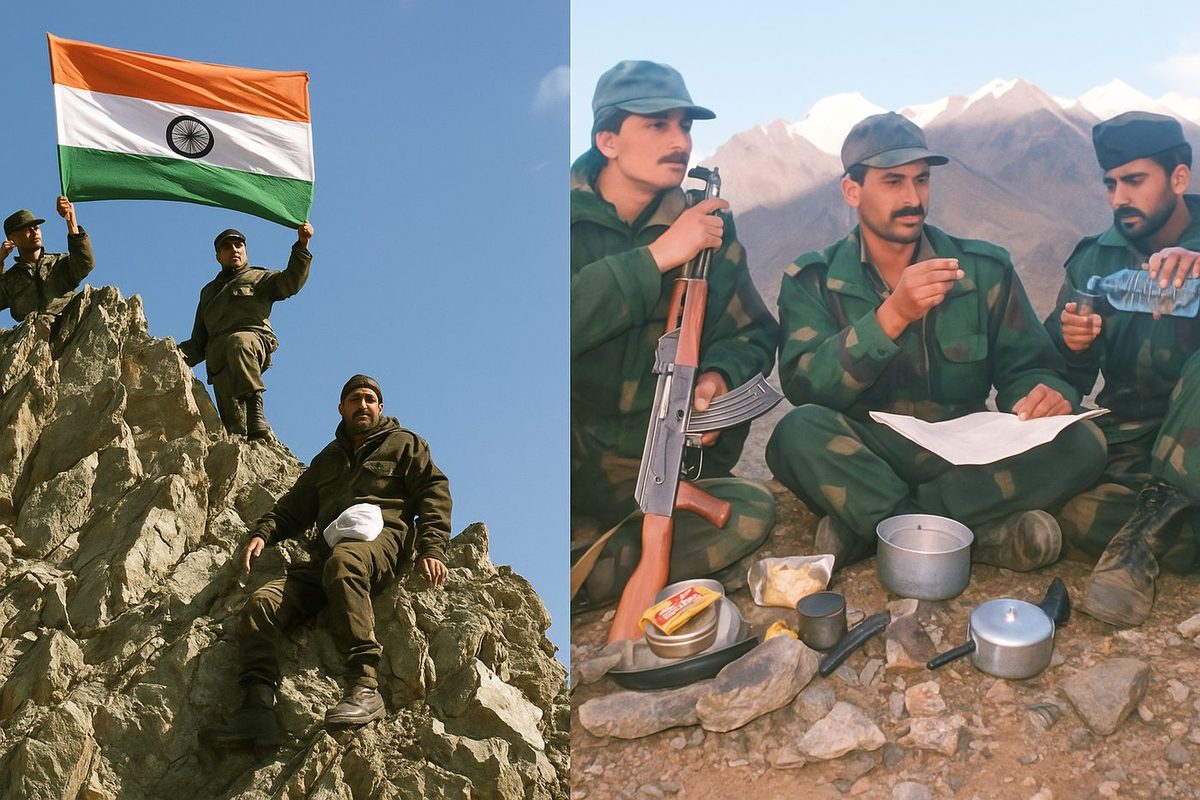
The thing that was started by the Pakistan-backed terrorist attack can be turned into a small-scale war between both nations
The terrorists killed the unarmed Indian tourists — families, honeymooners, kids — who were attacked by terrorists in one of the most heartbreaking incidents we’ve seen in recent times.
As the country mourns the lives lost, the mood across India has shifted from grief to deep anger.
Now the big question is: How will India respond?
Though the indian government has already taken the surveal diplomatic steps
India’s Tough Response to Pakistan-Backed Terror in Pahalgam
Blood and water cannot flow together
but the modi has made it clear
Modi’s Message in English is a Statement for all over the world
Prime Minister Narendra Modi spoke in English from Bihar, saying:
“India will identify, track and punish every terrorist and their backers. We will pursue them to the ends of the earth.”
This wasn’t just for us at home — it was meant for the world.
By speaking in English, Modi made it clear
India expects global support, and countries can no longer ignore or excuse Pakistan’s role in sheltering terror groups.
3 Key Reasons Why Pakistan Wants War with India
Why Pakistan’s Military Might Be Pushing the Region Toward Another War
India’s Two-Way Response: Military and Diplomacy
1. On the Military Front
- Search and Destroy Missions: Anti-terror operations have already ramped up in areas like Udhampur and Poonch. Indian soldiers are going deep into forests and mountains to find and eliminate terrorists.
- Missile Tests: The Navy recently tested an interceptor missile from the warship INS Surat — seen as a strong reply to Pakistan’s naval drills. It’s India’s way of saying, “We’re ready on all fronts.”
- Possible Cross-Border Strikes: Many security experts, including General GD Bakshi, are calling for cruise missile attacks deep into Pakistan to destroy terror camps.
2. On the Diplomatic Front
- All Parties, One Voice: Defence Minister Rajnath Singh held a high-level meeting with all major political parties to show unity. No politics — just national security.
- Reaching Out to the World: Foreign Secretary Vinay Kwatra has spoken with diplomats from G20 nations, including the US, Japan, and even China. Modi himself has been in touch with world leaders like Italy’s Giorgia Meloni and Israel’s Benjamin Netanyahu.
- Indus Waters Treaty Suspended: India has reportedly suspended the historic 1960 water-sharing treaty with Pakistan. If fully implemented, this could seriously hurt Pakistan’s farming and economy.
Who Was Behind the Attack?
The group called TRF (The Resistance Front) has claimed responsibility. TRF is believed to be a proxy of the Pakistan-based Lashkar-e-Taiba. It was likely formed after Article 370 was removed, to make terrorism look “local” in Kashmir.
Their goal? To scare tourists away, crash Kashmir’s economy, and stir communal tension.
What India Could Do Next: Real Options on the Table
After the Pahalgam terror attack, India is not just mourning — it’s planning. Public anger is high, national pride is wounded, and pressure is mounting on the government to respond with strength.
1. Surgical Strikes 2.0 — Targeted, Precise, Deep
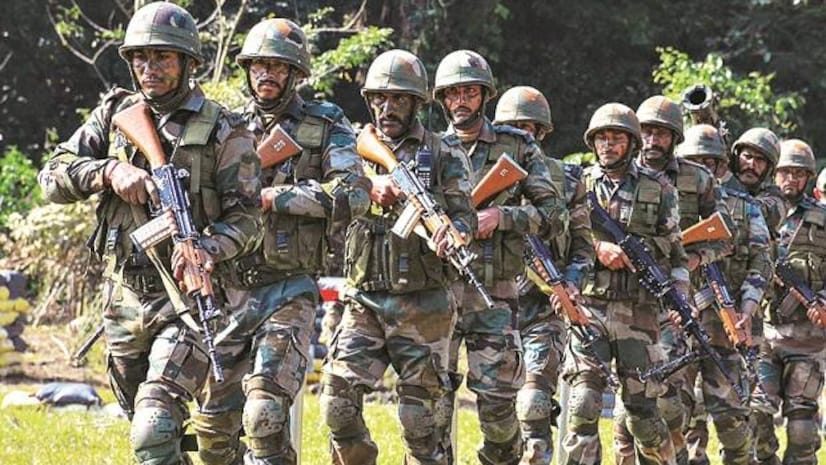
India has already shown the world what it can do with surgical strikes. After the 2016 Uri attack, the Indian Army’s Para Special Forces crossed the Line of Control (LoC) and destroyed multiple terror launchpads inside Pakistan-occupied Kashmir (PoK).
This time, Indian forces could do it again — possibly deeper, more widespread, and even more daring.
According to defense sources, multiple launchpads have been reactivated in areas like Lipa Valley and Neelum Valley.
Launching a second wave of covert cross-border operations would not only send a strong signal to terror groups like LeT and JeM, but also undermine the ISI’s narrative of control.
India’s special forces, especially Para SF and MARCOS units, are trained for high-altitude precision raids.
Their success would deal a psychological blow to terror handlers and military planners sitting in Rawalpindi.
2. Balakot-Style Air Strikes — Strategic and Symbolic
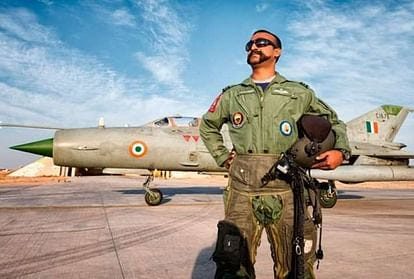
In February 2019, following the Pulwama attack, India launched a pre-dawn airstrike on a Jaish-e-Mohammed terror camp in Balakot, deep inside Pakistan.
It was the first time since 1971 that Indian jets crossed the LoC in an offensive operation.
With recent satellite imagery and ground intelligence pointing to renewed militant activity in PoK regions like Muzaffarabad and Chakothi, the Indian Air Force (IAF) could strike again, potentially using upgraded Mirage 2000s, Sukhoi-30MKIs, or even the indigenous LCA Tejas.
This kind of strike wouldn’t just eliminate targets — it would shatter the illusion that terrorist camps can operate with impunity under Pakistan’s nuclear shield.
3. Support for Baloch, Sindhi, and Pashtun Movements — Pressure from Within
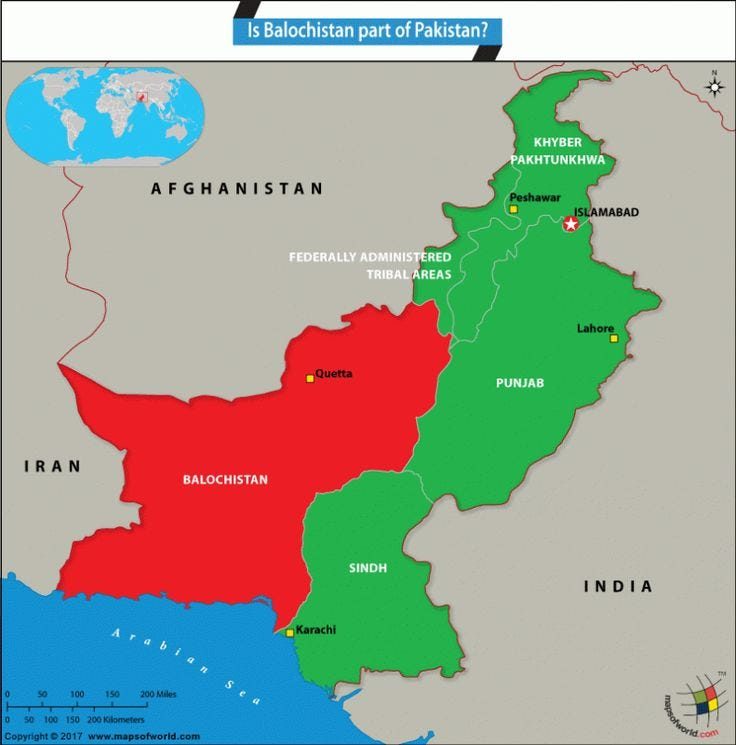
Balochistan is a ticking time bomb inside Pakistan. Since 2005, the region has seen a consistent low-intensity rebellion against the Pakistani Army.
Groups like the Balochistan Liberation Army (BLA) have carried out over 1,000 attacks on military targets in the last decade.
Terrorism is Terrorism: There is No Good or Bad Terrorism
Pakistan’s Own Snakes Turn Against It
India has never officially backed these groups, but some analysts argue it’s time to change that.
Covert support — financial, diplomatic, or informational — could create internal pressure on Pakistan’s military.
The same goes for Sindhi nationalist groups and the Pashtun Tahafuz Movement (PTM), which are increasingly vocal against military oppression.
Backchannel contacts, intelligence sharing, or international advocacy for these groups could stretch Pakistan’s internal security forces thin.
4. Military Operation to Retake PoK — The Boldest Move
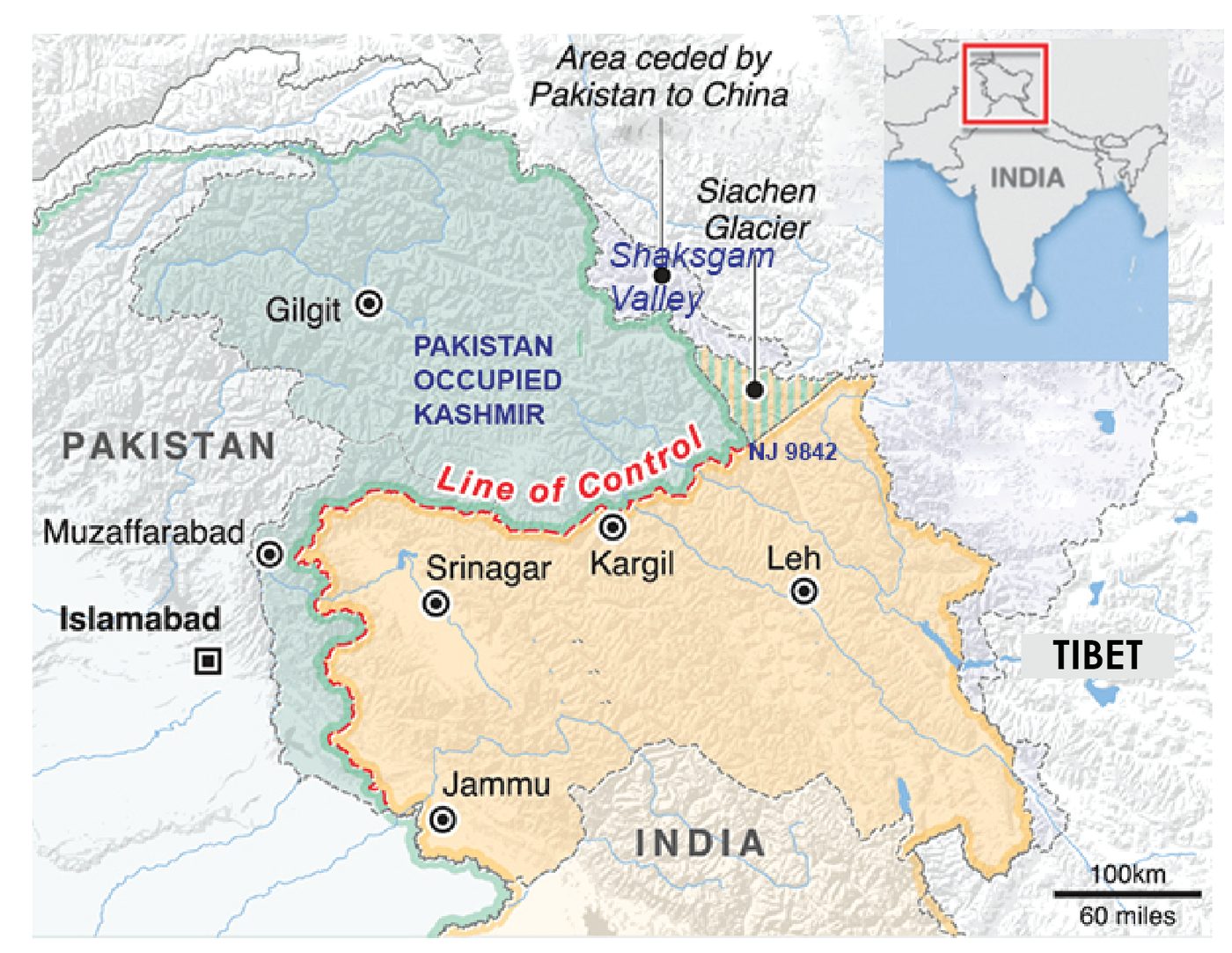
Reclaiming Pakistan-occupied Kashmir (PoK) has been part of India’s official map and Parliament resolutions since 1994.
Prime Minister Modi and Home Minister Amit Shah have frequently reiterated that“PoK is an integral part of India.”
Recent military infrastructure development in Jammu and Kashmir — like the deployment of Rafale jets in Ambala and Su-30s in Leh — has raised speculation that India is preparing for more than just defensive action.
A military campaign to retake key parts of PoK would be a historic operation.
It would target terror safe havens like Mirpur and Muzaffarabad while testing Pakistan’s conventional military response capabilities.
5. Naval Blockade in the Arabian Sea — Strategic Chokehold
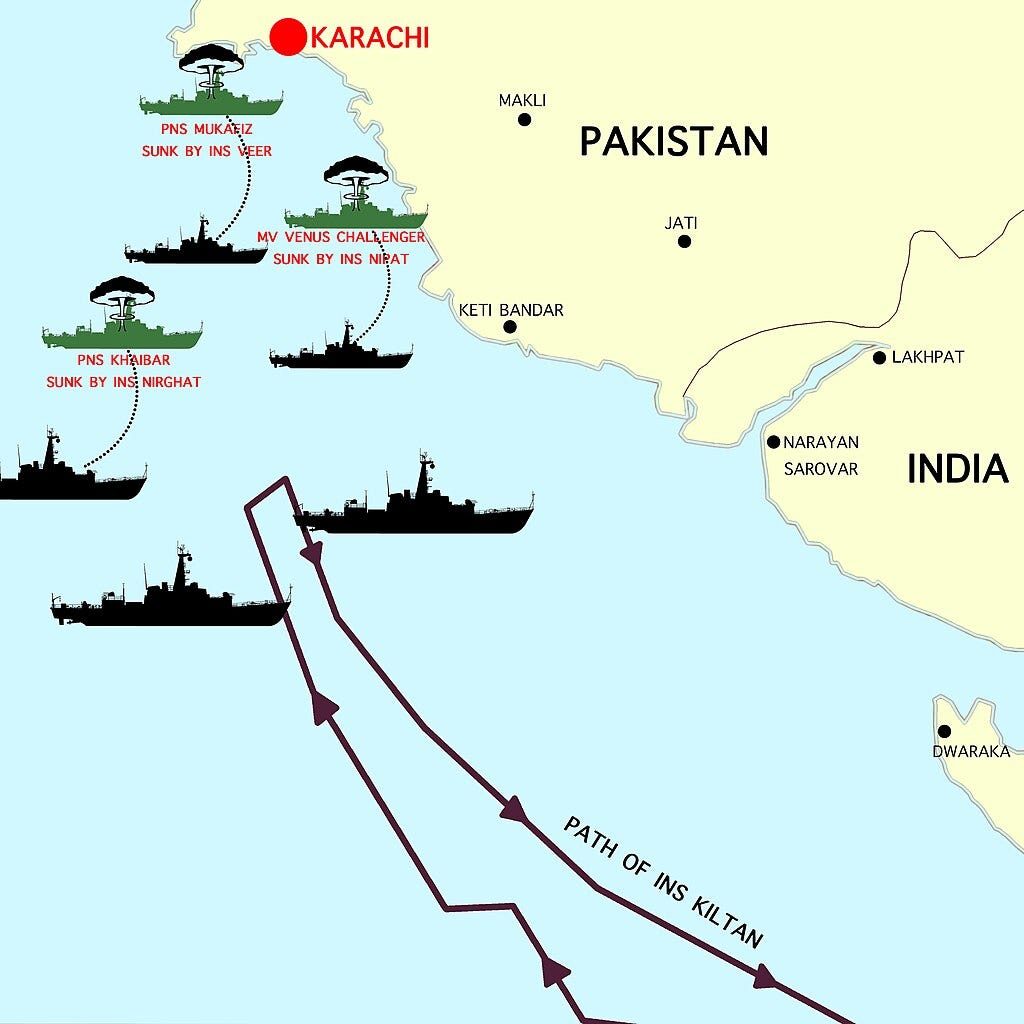
Over 90% of Pakistan’s trade passes through the Arabian Sea, mainly via the Karachi and Port Qasim harbors.
A naval blockade — even a partial one — by the Indian Navy would cripple Pakistan’s supply chain.
India’s Western Naval Command, headquartered in Mumbai, already conducts regular patrols in this zone.
Assets like the INS Vikrant aircraft carrier and Scorpène-class submarines make India’s presence in the Arabian Sea dominant.
By deploying warships near Pakistani sea lanes, India could enforce an economic squeeze without a direct military clash. This tactic was famously used by the Indian Navy in 1971 to cut off supplies to East Pakistan (now Bangladesh).
Indians are angry. Not just at terrorists — but at years of repeating the same cycle:
Attack. Condemnation. Investigation. Silence. Repeat.
This time, people want something more. Something that creates real fear in the minds of those who plan these attacks.
With elections coming up and nationalism at a peak, the government is under pressure to respond with strength and clarity.
But the challenge is also big: How do you strike hard without triggering a full-blown war?
This Is a Defining Moment
The Pahalgam terror attack is not just another headline. It could mark a major shift in how India deals with cross-border terrorism.
This moment is about more than revenge — it’s about reshaping India’s long-term security doctrine. It’s about showing that India won’t be passive anymore. That we have the strength, the technology, and the global backing to act.
As Prime Minister Modi warned:
“Those who orchestrate terror will not escape.”
Whether it’s a special forces operation, a diplomatic squeeze, a cyber strike, or something bigger — India is preparing to act. And this time, it won’t just be symbolic.
Update, 17 September 2026: on the economic front of the same rivalry, see Pakistan, Afghanistan Trade: From a Historic Lifeline to an Economic Deadlock by Dr Mukammil Shah Yousafzai. Update, 27 September 2026: for a Pakistani contributor's case against the rivalry itself, see What If We Were Not Enemies?. Update, 29 September 2026: on what the division of 1947 cost the economies on both sides of this border, see The Cost of Partition, also by Dr Yousafzai.
Comments
No comments yet. Be the first.
Comments are closed on this article.