
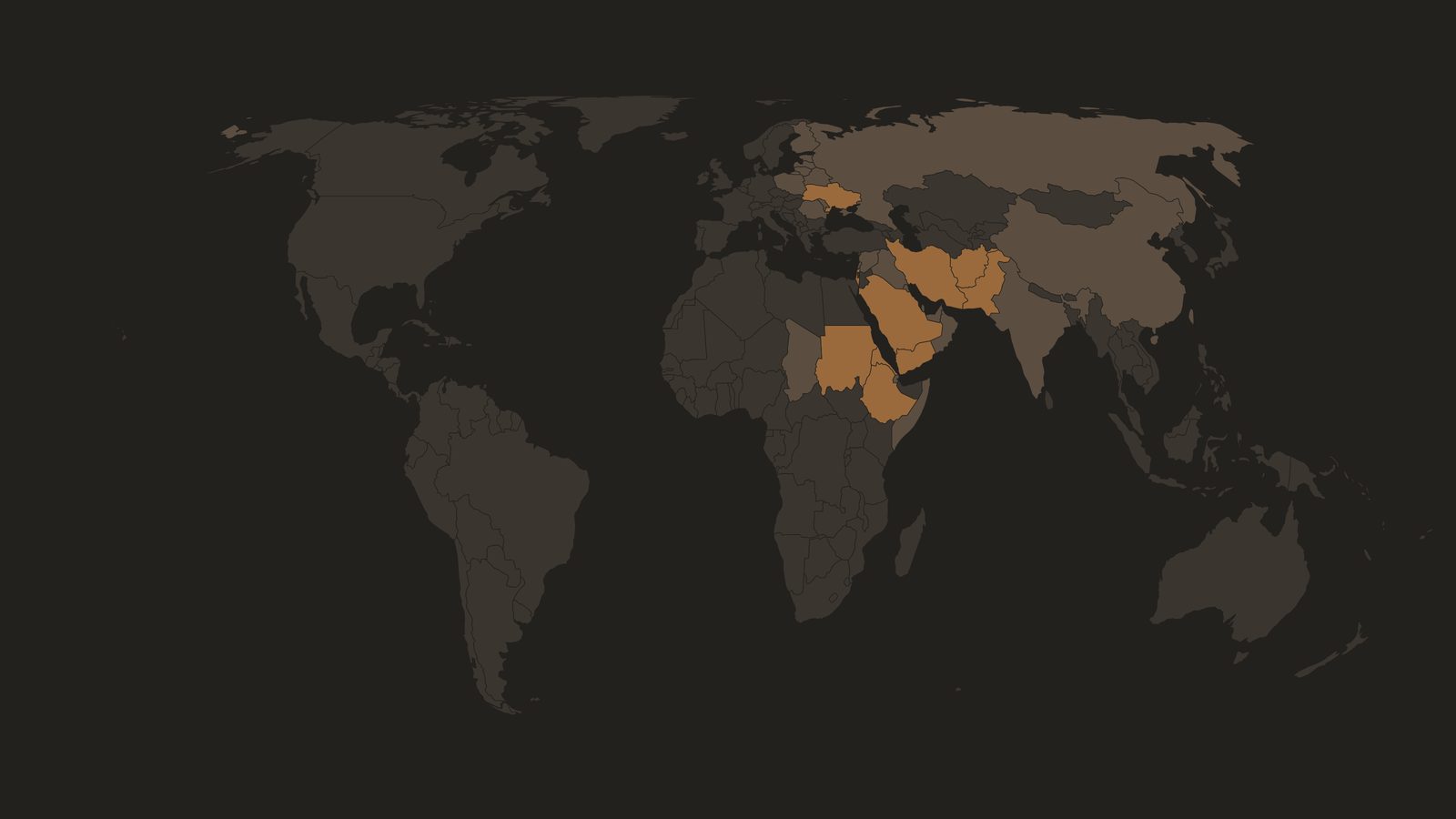
November in brief
The world enters November under persistent strain without a decisive break. Risk is concentrated in the Gulf and travels outward through oil, interest rates and the decisions of a United States that votes on 3 November.
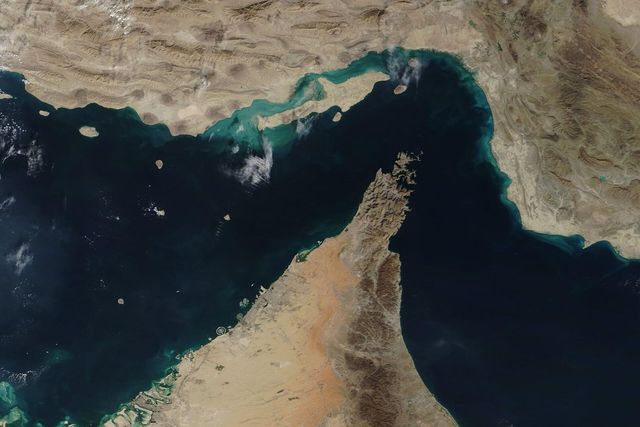
The best public measure of geopolitical risk, the Caldara–Iacoviello index, averaged about 175 in October to date, almost twice its 1985–2019 average of 100 (source). Tankers were struck near Hormuz on 29 and 30 October (Gulf News), Brent closed near $113, and the Federal Reserve held rates on 28 October with two votes for a rise (Federal Reserve).
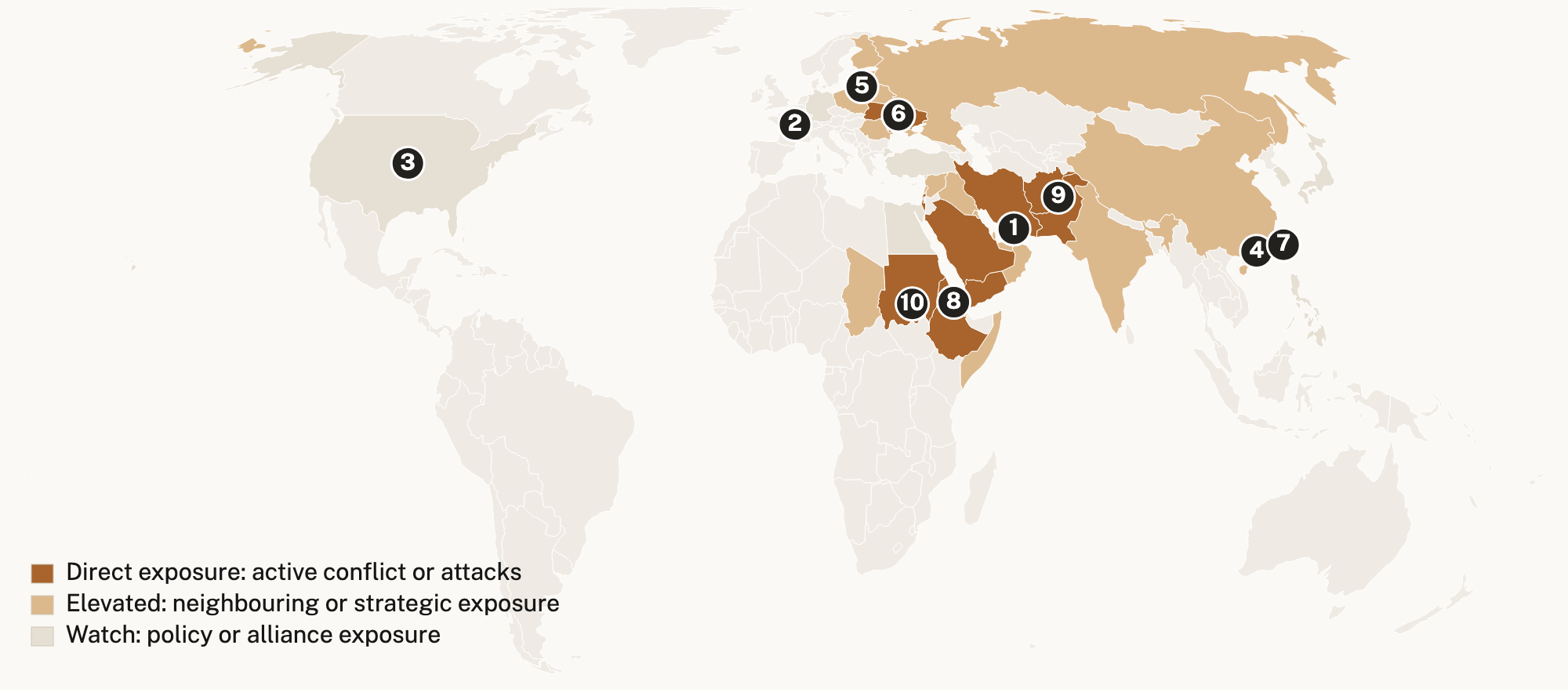
Our call for November: no Gulf settlement, no US–China rupture and no Russian attack on NATO, but continued harassment of shipping, oil between $105 and $120, a divided US Congress from January and at least one serious hybrid incident in Europe. Five of our ten risks are rising; none is easing.
What the full report covers
The Geopolitical Risk Monitor is our new monthly members' report. This first issue rates ten risks for likelihood and impact, and gives each a full profile: the situation at the end of October, why it matters, what is driving it, three scenarios with likelihoods, the signposts to watch and who is exposed. It also has the data on the risk climate, a risk matrix, scenario charts, October in review, the November calendar, a diagram of how the risks connect, and an India lens.
Members can read the complete web edition below and download the 35-page PDF.
Comments
No comments yet. Be the first.
Comments are closed on this article.