Home / Topics / Political Economy & Global Economics
Political Economy & Global Economics
Growth, inflation, debt, currencies and the politics that shape them.
- Geopolitics & International Relations26
- Foreign Policy & Strategy31
- Political Economy & Global Economics73
- Conflict, Security & Defence48
- Trade, Finance & Sanctions57
- Energy & Natural Resources38
- Technology & AI15
- Maritime Affairs15
- Climate, Food & Resources8
- Politics & Society16
Follow this issue: RSS feed · weekly newsletter
-
Analysis · Americas
The Trojan Horse of Critical Minerals List
Investors treat critical mineral lists as objective maps of vulnerability. The record from the US, Canada, the EU and Australia shows the definition of ‘critical’ is shaped by a messier mix of technical assessment, political judgment and commercial interest.
-
Opinion · Americas
The Bay of Bengal Could Become the Next Frontier of U.S.–Bangladesh Economic Cooperation
The February 2026 trade deal was a start. The bigger opportunity is offshore: sustainable fisheries, offshore wind, port development, climate-resilient infrastructure and shared science across the Bay of Bengal.
-
Analysis
Economic Warfare and Anticipatory Insecurity: Why Weaponised Interdependence Demands a New Strategic Logic
States increasingly seek security by weaponising the very networks on which their prosperity depends. Lasting security requires calibrated interdependence, not decoupling.
-
Analysis · Middle East & North Africa
The World Economy in the Shadow of War
Poverty, inequality, and the failure of our global village: we have globalised markets, but we have not globalised compassion.
-
Analysis · Americas
The AI Economy: Beyond Automation
How AI is reshaping labour, migration, resources, and global competition.
-
Analysis · Europe
Europe’s Slowing Growth: When Economic Resilience Is No Longer Enough
Europe’s slowing economy calls for more than resilience: a pragmatic partnership with China could help revive investment, productivity, and industrial competitiveness while preserving Europe’s strategic autonomy.
-
Opinion · Middle East & North Africa
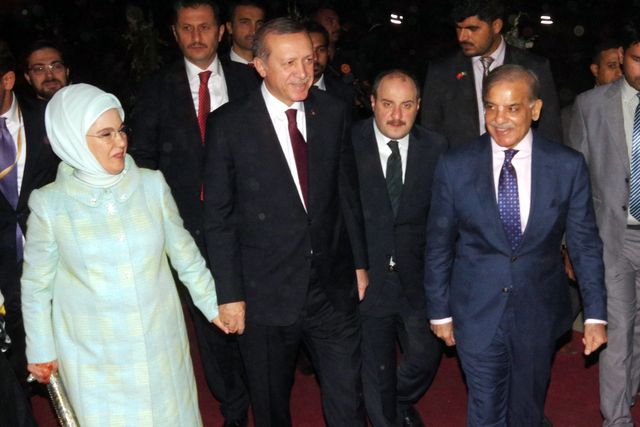
The Makkah Defence Agreement: Pakistan, Saudi Arabia and Turkey's Emerging Strategic Alliance
The trilateral defence pact between Pakistan, Saudi Arabia and Turkey is more than a military arrangement. Its real significance will lie in whether collective defence can be turned into economic and technological integration.
-
Opinion · Europe
Protests in Europe and Structural Economic Risks
Europe's recurring protests reveal deeper structural economic risks, as declining purchasing power, rising living costs, housing pressures, and unequal growth increasingly challenge social stability and long-term economic performance.
-
Analysis · South Asia
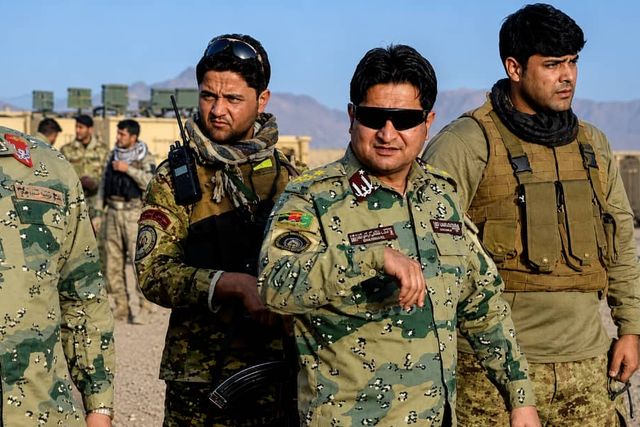
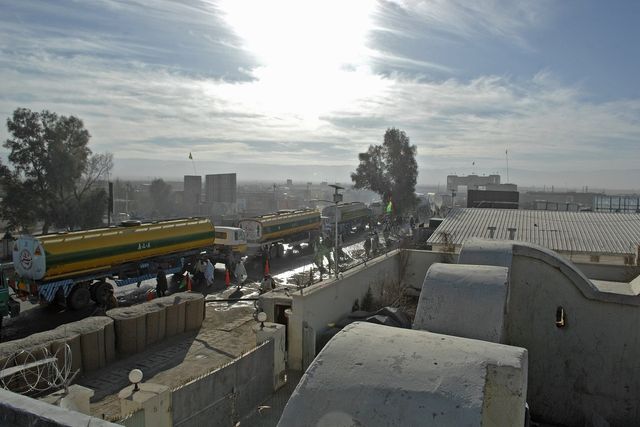
Highway 517, Farah: From the Political Economy of Insecurity to the Geopolitics of the Field
Situational judgement, the area passport, and the restoration of the state’s economic and social authority in western Afghanistan.
-
Opinion · Americas
The Phenomenon of Diversity in the U.S. Midterm Elections and Its Global Significance
Historical development dictates that social consciousness must align with economic strength.
-
Opinion · Americas
When Prices Rise Faster Than Paychecks
When prices rise faster than wages, strong consumer spending can mask a deeper erosion of American households’ purchasing power and financial resilience.
-
Analysis · South Asia
CPEC 2.0: The Battle for Economic Sovereignty
From China’s Strategic Corridor to Pakistan’s Industrial Revolution
-
Analysis
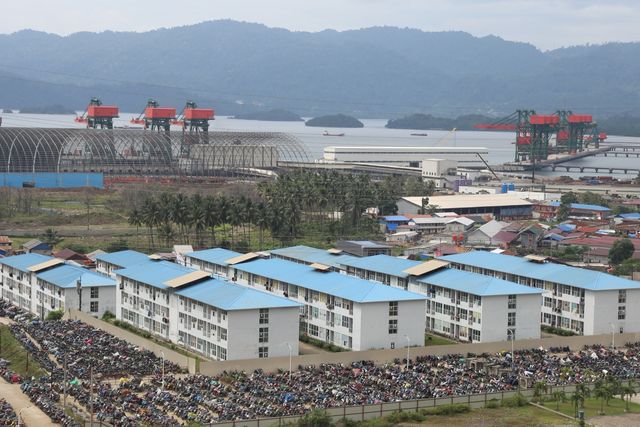
Asian Investment in Indonesia: Gain or Loss?
Asian investment is helping Indonesia expand mineral processing and industrial capacity, but the country's long-term gains will depend on whether foreign capital strengthens domestic technology, local suppliers, and Indonesia's bargaining power.
-
Opinion · Indo-Pacific
Asia's Economic Power Race: Who Is Helping China Win?
Asia's Big Five are reshaping global trade, while China's expanding alliances strengthen its economic influence.
-
Opinion · Europe
A Continent Contained: How Economic Suffocation Ignited Europe’s Youth Rebellion
As skyrocketing rents and crumbling public services push a generation past its breaking point, Europe faces a dangerous inflection point where economic exhaustion has rapidly turned into volatile cross-border rebellion.
-
Opinion · Middle East & North Africa
Can Saudi Arabia Build a Third Pole Amid the US-China Technology Rivalry?
Saudi Arabia is leveraging Vision 2030, AI investment, and its strategic energy advantages to position itself as an independent technology hub amid intensifying U.S.–China competition.
-
Opinion · South Asia
India’s Rise as a Global Power: Reality or Myth?
A contributed paper on India’s economic ambitions, the lessons of Singapore and China, and the author’s case for Narendra Modi’s leadership in turning international influence into lasting national prosperity.
-
Analysis · Africa
Sub-Saharan Africa’s Economic Integration Momentum
Sub-Saharan Africa’s economic growth is gaining momentum, but deeper regional integration, productive transformation, and financial connectivity will determine whether the region can translate that growth into greater influence in the global economy.
-
Analysis · Russia & Eurasia
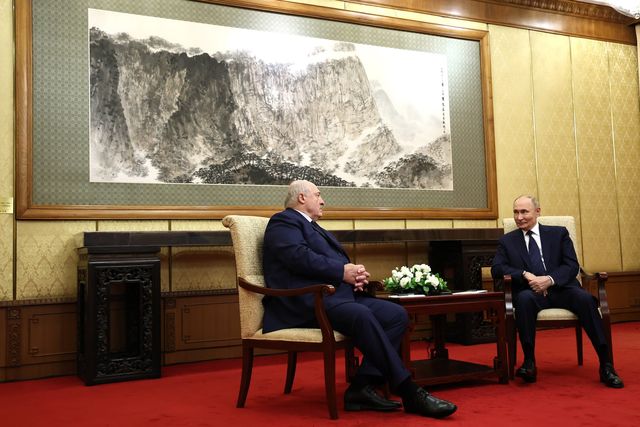
How Sanctions Deals With the Lukashenko Regime Are Changing U.S. Interests
Prisoner-release deals have won the Lukashenko regime sanctions relief. As Washington’s interest in Belarusian potash grows, each agreement changes its incentives in the subsequent negotiation.
-
Research report · Middle East & North Africa
Geopolitical Risk Monitor, November 2026
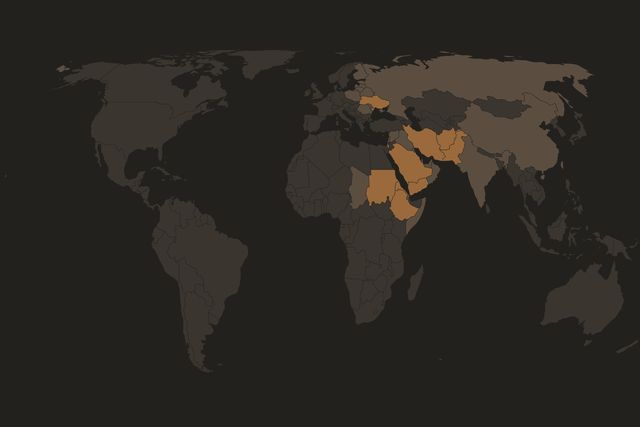
The ten risks most likely to shape security, energy and markets this month: Hormuz and oil, the US midterms, US–China, Russia and NATO, Taiwan, the Horn of Africa, Pakistan and Sudan. A members' report with a risk map, matrix, scenarios and the dates to watch.
-
Opinion · Middle East & North Africa
The Iran War: Another Costly War on America’s Head
Who Pays the Price, Who Profits, and Who Controls the Economic Fallout?
-
Analysis · Indo-Pacific
Russia’s Warship Diplomacy (Opening Economic Doors Amid Competition Among Three Global Powers)
Russia’s naval visits to Southeast Asia reveal how maritime diplomacy can create new economic opportunities for Moscow while testing ASEAN’s ability to balance its relations with China, the United States, and Russia.
-
Opinion · Middle East & North Africa
Danantara Syariah: Building an Indonesia–Middle East Economic Bridge
Indonesia can turn its growing halal economy into a global force by connecting its production capacity with Middle Eastern capital, technology, and markets through the proposed Danantara Syariah.
-
Opinion · Americas
Trump’s Diesel Deal and What Lies Behind It
The protracted conflict in Ukraine and the military escalation in the Persian Gulf have dealt a significant blow to the US economy.
-
Opinion · South Asia
Why Has Latin American Integration Remained Limited? Lessons from ASEAN
Latin America can move beyond fragmented regional cooperation by building cross-border production networks, strengthening infrastructure, and applying practical lessons from ASEAN's experience in economic integration.
-
Analysis · Europe
The Triple Lock: A Liability on Britain's Finances or an Imperative for Pensioners?
The Labour Government's timely decision to reform the triple lock, effective in April 2030, to fund a National Care Service fostered discord from opposition parties, consequently leaving Britain in a precarious position.
-
Analysis · South Asia
India’s Agricultural Trade Is Not Just About Protection or Free Trade
India’s trade talks with the United States reveal a key challenge: protecting farmers while keeping animal feed affordable. Selective imports could help feed producers but may also increase competition for Indian crop farmers.
-
Opinion · Africa
The Growth and Welfare Paradox: A Note on the IMF’s High GDP Growth Projections for Africa
Sub-Saharan Africa’s projected economic growth masks persistent challenges in poverty, inflation, employment, and public debt, raising the question of how economic growth translates into people’s welfare.
-
Opinion
LCT and Dollar Face-Off
This article examines how local currency transactions and regional payment networks are expanding cross-border settlement options, even as the US dollar retains its central role in the global financial system.
-
Analysis · Indo-Pacific
The US–China Truce Is Held Together by Hostages, Not Trust
Each extension of the US–China trade truce is shorter than the last. What keeps it alive before Shenzhen is not a deal but two chokepoints, China's rare earths and America's aircraft parts, each held as a hostage by the other side.
-
Opinion
Danantara’s Global Ambition: From Sovereign Fund to Investment Network
Danantara’s expanding global investments and strategic partnerships could transform it from a sovereign investment vehicle into a network connecting Indonesian capital, assets and business with global markets.
-
Analysis · South Asia
The Twenty-Year War That America Lost in Victory
Afghanistan: The Human, Economic, and Strategic Cost to America, Its Allies, Pakistan, and the Region
-
Opinion · Indo-Pacific
ASEAN Economic Security Alarm
ASEAN’s strong economic growth is masking widening disparities in technology, investment and productive capacity, raising a critical question: can the region turn growth into genuine economic security for all its members?
-
Opinion · Americas
Signals of a Global Geo-economic and Geopolitical Shift
Barrack's statement signals a shift in the global order, as America's enduring economic and financial dominance faces growing geopolitical competition from China and other rising powers, pushing the world toward a more multipolar system.
-
Analysis
Islamic Finance Must Deliver More Than Transaction Figures
Indonesia's growing Islamic finance industry must look beyond financing volumes and business commitments to measure its real impact on productivity, market access, and inclusive economic growth.
-
Research brief · Americas
The Debt Behind American Power
As US debt rises, the financial value of dollar dominance grows. This essay examines whether Washington can reduce its global commitments without weakening the conditions that help sustain its borrowing advantage.
-
Opinion · Indo-Pacific
From China+1 to ASEAN+1: Building a Regional Production Network
As global supply chains shift beyond China, ASEAN has an opportunity to strengthen regional economic integration by connecting its complementary manufacturing, investment, and logistics capabilities.
-
Analysis · South Asia
Pakistan's Mineral Wealth: A Geological Fortune, A Governance Failure and A Geopolitical Contest
Why a Resource-Rich Nation Has Yet to Transform Its Underground Wealth into Broad-Based Prosperity
-
Opinion · Americas
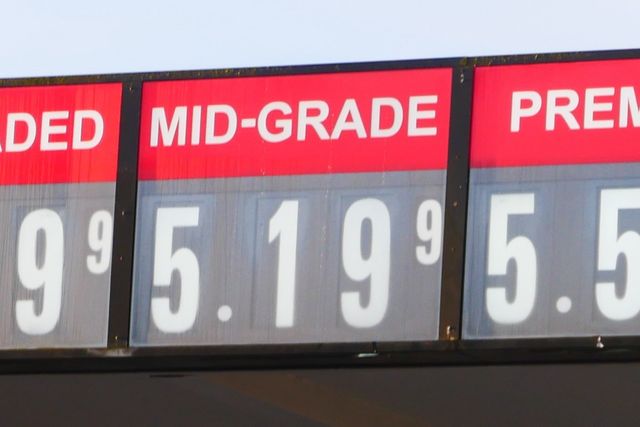
US Inflation Is Surging: An Alarm for the Global Economy?
Rising US inflation, driven by surging energy prices and persistent cost-of-living pressures, threatens to reshape global financial conditions and create new economic challenges for emerging markets.
-
Analysis · South Asia
The Bhagiratha Wager: Why India's AI Sovereignty Needs the River-Interlinking Idea
The two projects are not rivals for the same rupee. They are the same wager made at two scales: that a civilisation-state must be able to sense, model and steer the large systems on which its life depends.
-
Opinion · Europe
As Europe Negotiates with China: A Test for the US and a Strategic Opportunity for ASEAN
Europe's trade negotiations with China test transatlantic economic coordination while creating a strategic opportunity for ASEAN to strengthen its role in global trade.
-
Analysis · Middle East & North Africa
Bangkok's Debt Test: Who Pays for the Iran War?
The IMF and World Bank arrive in Bangkok as the Iran war drives up fuel and fertilizer costs. The crisis is not only about supply. It is about which governments still have room to protect their people, and which are being forced to pass the bill on.
-
Analysis · Africa
Sudan's Civil War and the Regional Balance of Power
Sudan's civil war is drawing in regional powers whose competing security and economic interests could make a settlement harder to reach.
-
Analysis · Africa
The Congo's Cobalt Export Ban Looks Like a Sovereignty Move. Its Own Design Says Otherwise.
This analysis examines whether the DRC’s cobalt export restrictions represent genuine resource sovereignty or primarily expanded regulatory control. It argues that the 2025 quota system largely preserved the dominance of foreign-owned producers because its base allocation relied on historical export shares. While the state gained greater discretion over export rights in 2026, the clearest fiscal benefit still comes through existing mining royalties, rather than a substantial redistribution of cobalt rents.
-
Research brief · South Asia
The Verdict: Is India's Protest Wave Engineered?
Part 6 of The Protest Question. The series set out to test a hypothesis many Indians hold and officials repeat: that the country's rising protests are engineered from outside. This part makes the strongest case for it, the strongest case against it, and says what the evidence settles, what it cannot, and what follows for the state, for investors and for India's standing.
-
Opinion · South Asia
Three Myths the West Gets Wrong About CPEC
Beyond the headlines: why calling a $62 billion trade corridor a "debt trap" misses what is actually happening on the ground.
-
Analysis · Africa
The Sahel Didn't Replace France. It Unbundled It.
Mali, Burkina Faso and Niger are often described as having swapped France for Russia. The record shows something narrower: the security layer of France's presence was replaced quickly, through Wagner and Turkish drones, while the development finance, monetary architecture and institutional access that came with it were not replaced at comparable scale by anyone.
-
Analysis · Africa
The G20 Common Framework Fixed Who Sits at the Table. It Never Fixed the Clock.
The Common Framework brought China and the Paris Club into one restructuring process for the first time. It left the timeline open-ended, and the IMF and World Bank have since called the missing standstill and deadline design gaps. The delay, not the generosity of each settlement, has been its most underpriced cost.
-
Research brief · South Asia
What Indians Are Protesting About. It Isn't Prices.
Part 2 of The Protest Question. The grievance behind India's record protest count is the state's failing examination and hiring machine, not the cost of living. The data shows where the pain is, when it erupts, and what companies operating in India should read into it.
-
Analysis · South Asia
Afghanistan After NATO: When the Balloon Economy Lost Its Air
From the pre-9/11 battlefield to two decades of foreign-funded state-building — and now a search for economic survival
-
Analysis · Africa
The UAE Doesn't Buy Africa's Goods. It Buys the Gates.
Emirati influence in Africa is better measured by position than by pledges: ports, gold markets and farmland place the UAE at the points where African goods change jurisdiction or form.
-
Analysis · Africa
Egypt Didn't Fix Its Foreign Currency Problem. It Rented a Solution.
The $35 billion Ras El-Hekma deal with the UAE, not structural reform alone, most immediately eased Egypt's foreign-exchange crisis, arriving just as Houthi attacks collapsed Suez Canal revenue.
-
Analysis · South Asia
The Cost of Partition: What the Subcontinent Lost in 1947
What was the economic, political and social price of dividing an integrated subcontinent?
-
Analysis · Indo-Pacific
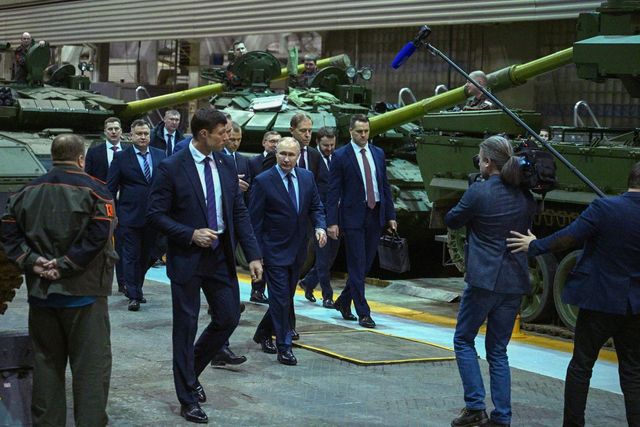
Kazakhstan’s Agricultural Machinery Revolution
How Astana Is Turning Foreign Competition into Industrial Power
-
Analysis · Africa
The Migration Management Trap: No Victims, No Criminals—Only Managers
Migration is neither a threat nor a tragedy. It is a system of management—and everyone is a manager.
-
Analysis · Africa
The Global South's Financial Alternative Isn't the One With BRICS on the Door
Africa's most consequential break from dependence on external financial intermediaries is not the BRICS-led New Development Bank, but the Pan-African Payment and Settlement System, a homegrown initiative moving money across African currencies without routing it through a third one.
-
Opinion · South Asia
What If We Were Not Enemies?
Pakistan and India: two neighbours spending too much energy on each other, while poverty waits at the door
-
Analysis · Africa
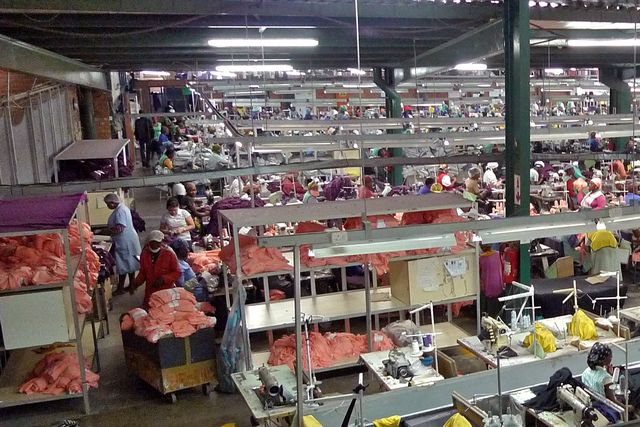
Why Gold Can Buy Political Distance and Garments Cannot
South Africa and Lesotho share a currency and a customs union, and absorbed the same American trade shock. The difference between their outcomes is not primarily about politics. It is about what each country sells, and how much of the value of those exports survives when the buyer changes.
-
Analysis · Africa
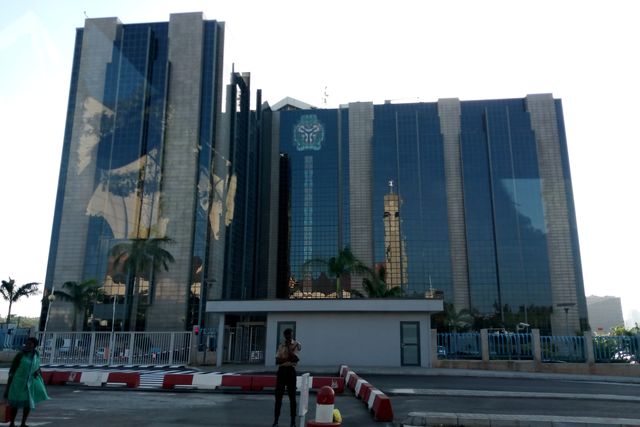
Nigeria's Rating Upgrade Is Partly a War Dividend
Nigeria's sovereign credit rating upgrade is being presented as proof that three years of painful reform have finally paid off. Some of it has. But part of the improvement traces back to an oil price spike tied to a war Nigeria did not start.
-
Analysis · Africa
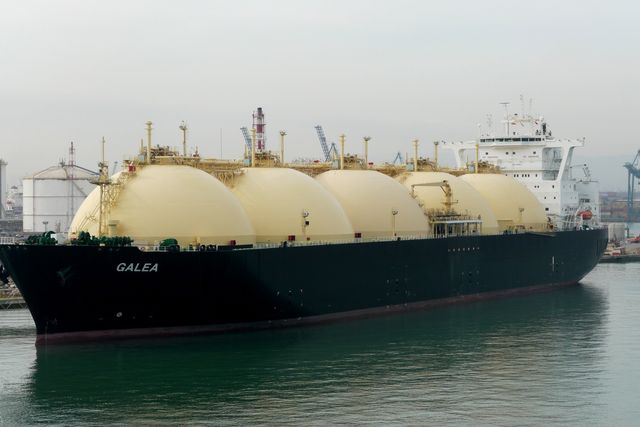
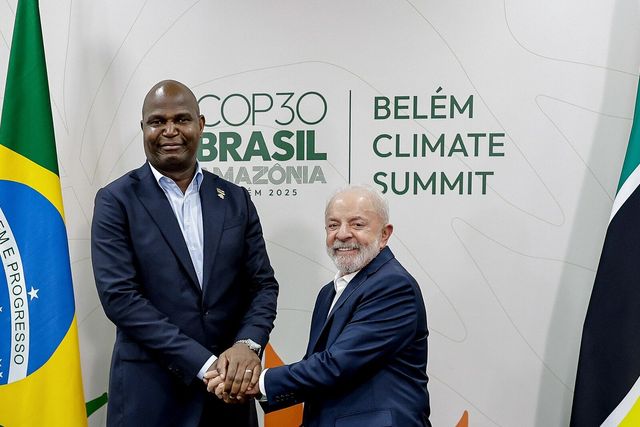
Mozambique's LNG Restart Is a Fiscal Bet on Timing
Mozambique's delayed LNG restart could bring major gas revenues into state coffers just as a global supply wave reshapes prices, buyer leverage and the value of that revenue.
-
Analysis · Africa
Mozambique's Mining Law Is a Fiscal Bet on Resource Sovereignty
Mozambique's 15% state mining stake could increase public control over mineral resources, but its success will depend on whether the country can attract the investment needed to turn that stake into actual revenue.
-
Briefing · South Asia
Pakistan, Afghanistan Trade: From a Historic Lifeline to an Economic Deadlock
When two neighbours close their doors, both sides pay the price.
-
Analysis · Africa
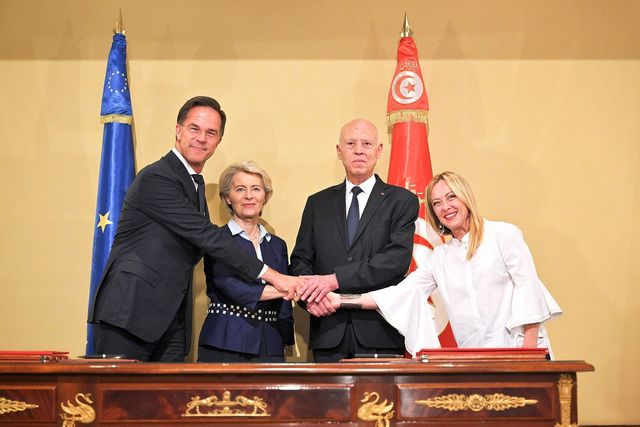
Who Defines Tunisia's Geopolitical Value? How Its Environment Shapes the State Itself
Tunisia's geopolitical value is not simply imposed by Europe, America or China. It is produced through an unequal exchange in which external demands reshape domestic incentives, and eventually the state itself.
-
Analysis · South Asia
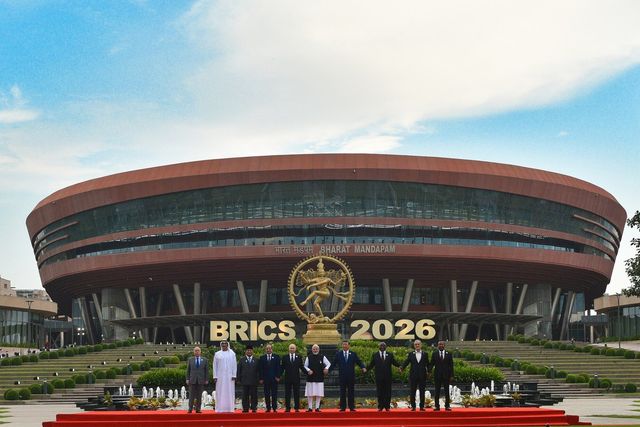
Bangladesh's BRICS Absence Was About More Than Protocol
Dhaka's no-show in New Delhi exposed a narrowing strategic space between BRICS-style financial autonomy and new U.S.-linked economic-security commitments.
-
Analysis · Indo-Pacific
Why India and China Secretly Want the Dollar to Survive
The bloc's two biggest economies hold trillions in dollar assets, and their rivalry makes a shared alternative even less likely.
-
Analysis · Middle East & North Africa
America Is Bombing Its Own Bond Market
Five Iranian tankers are burning, oil has crossed $100, and the U.S. Treasury is paying more than $1 trillion a year in interest. These three facts are one story.
-
Analysis
The Biggest El Niño Since 1877 Could Hit Harder
This time, we have 18 months’ warning — and still no plan.
-
Analysis · Americas
When Will America’s Economic Doomsday Actually Hit?
There are five things that have to happen first — and two of them happened this week.
-
Analysis · Middle East & North Africa
Iran Is Waiting for the US Midterm Elections
In 1980, It Waited for the American Election, and It Is Waiting Again.
-
Analysis · Europe
How Far Can Europe Go for Ukraine?
Europe has become Ukraine’s biggest financial backer. The real question is whether Europe’s own economy can survive the cost.
-
Research paper · Americas
The End of the Liberal International Order? What Comes Next, We Still Do Not Know
The liberal international order is widely held to be breaking apart, yet scholars disagree about what is breaking, when the breakdown began, and what will take its place.
-
Analysis · Americas
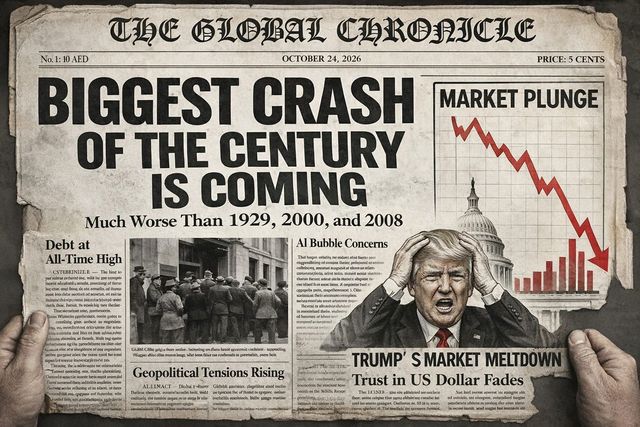
The Crash Will Begin in America and Hit the Entire World
Much Worse Than 1929, 2000, and 2008
-
Analysis · Russia & Eurasia
Russia’s War Economy Is Finally Breaking Apart
The Illusion of Strength Is Fading