Home / Topics / Conflict, Security & Defence
Conflict, Security & Defence
Wars, insurgencies, armed forces, arms and the security policies behind them.
- Geopolitics & International Relations26
- Foreign Policy & Strategy31
- Political Economy & Global Economics73
- Conflict, Security & Defence48
- Trade, Finance & Sanctions57
- Energy & Natural Resources38
- Technology & AI15
- Maritime Affairs15
- Climate, Food & Resources8
- Politics & Society16
Follow this issue: RSS feed · weekly newsletter
-
Analysis
Economic Warfare and Anticipatory Insecurity: Why Weaponised Interdependence Demands a New Strategic Logic
States increasingly seek security by weaponising the very networks on which their prosperity depends. Lasting security requires calibrated interdependence, not decoupling.
-
Analysis · Indo-Pacific
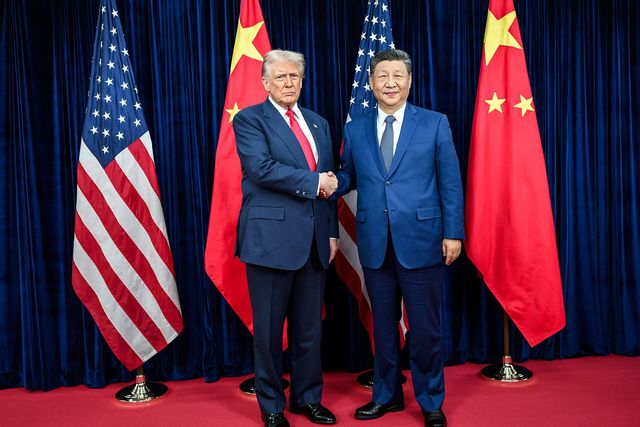
At Yalta, China Wasn’t in the Room. In Shenzhen, It Owns the House.
The first-ever meeting of the American, Chinese and Russian leaders will likely settle nothing. That is not the point. The new order is not being declared in Shenzhen. It is being hosted.
-
Analysis · Middle East & North Africa
The World Economy in the Shadow of War
Poverty, inequality, and the failure of our global village: we have globalised markets, but we have not globalised compassion.
-
Opinion · Middle East & North Africa
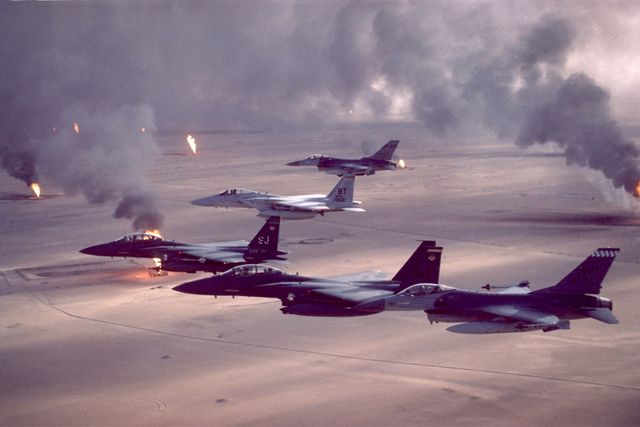
The Story We Weren't Told About the Gulf War, 9/11 and the Iraq War
How battlefield victories in 1991 and 2003 produced consequences few policymakers anticipated.
-
Opinion · Europe
Climate Policy and European Security: The Geopolitical Costs of Asymmetric Action
Isn't European climate policy a dangerous illusion?
-
Opinion · Middle East & North Africa
The Makkah Defence Agreement: Pakistan, Saudi Arabia and Turkey's Emerging Strategic Alliance
The trilateral defence pact between Pakistan, Saudi Arabia and Turkey is more than a military arrangement. Its real significance will lie in whether collective defence can be turned into economic and technological integration.
-
Analysis · South Asia
Highway 517, Farah: From the Political Economy of Insecurity to the Geopolitics of the Field
Situational judgement, the area passport, and the restoration of the state’s economic and social authority in western Afghanistan.
-
Research report · Middle East & North Africa
Geopolitical Risk Monitor, November 2026
The ten risks most likely to shape security, energy and markets this month: Hormuz and oil, the US midterms, US–China, Russia and NATO, Taiwan, the Horn of Africa, Pakistan and Sudan. A members' report with a risk map, matrix, scenarios and the dates to watch.
-
Opinion · Middle East & North Africa
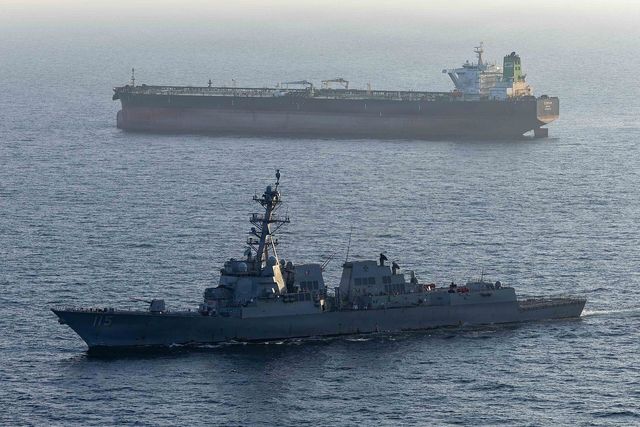
The Iran War: Another Costly War on America’s Head
Who Pays the Price, Who Profits, and Who Controls the Economic Fallout?
-
Opinion · Americas
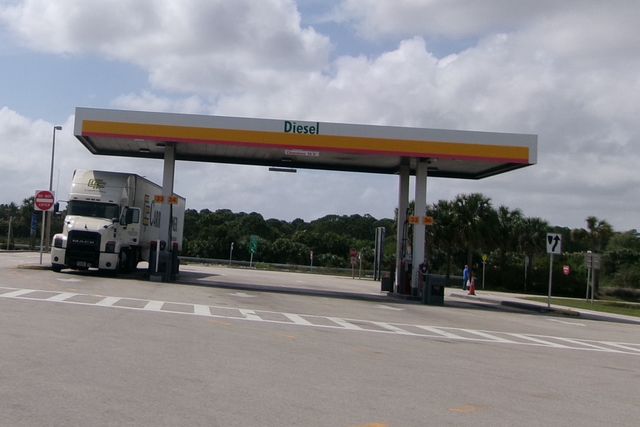
Trump’s Diesel Deal and What Lies Behind It
The protracted conflict in Ukraine and the military escalation in the Persian Gulf have dealt a significant blow to the US economy.
-
Opinion · Africa
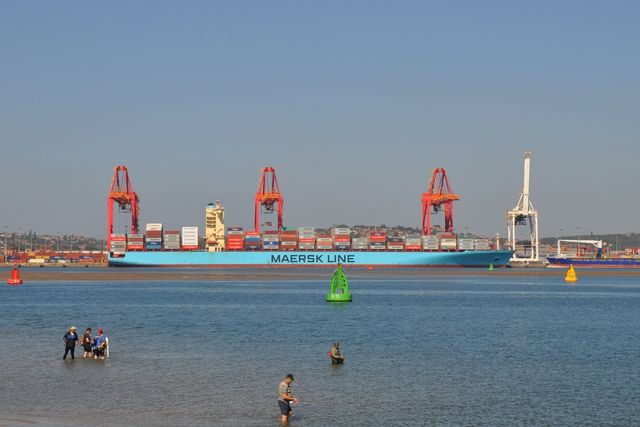
Africa, Indo-Pacific and the Emerging Indian Ocean Architecture
As the Indian Ocean transforms into the primary highway for global competition, the strategic alliance between Africa and the Indo-Pacific is rewriting the rules of global trade, maritime security and resource competition.
-
Research report · South Asia
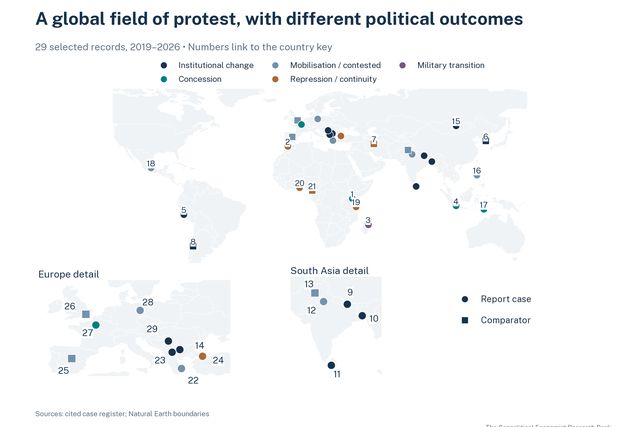
The Global Gen Z Protest Wave
Why young people mobilise, how digital platforms shape unrest, and who gains power. A global research report with detailed India, Europe and Nepal analysis.
-
Research report · Americas
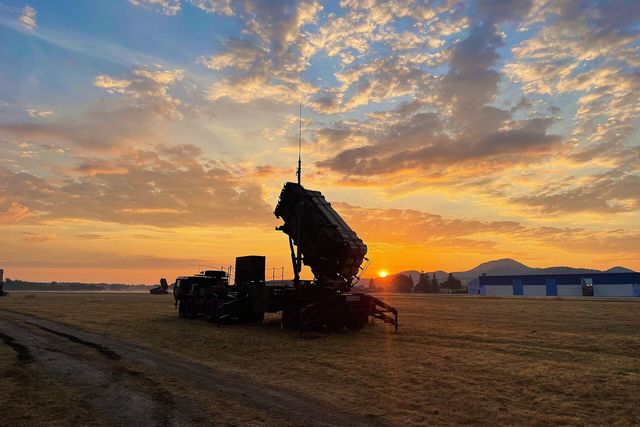
Can America Sustain Its Global Defence Commitments?
Europe, the Middle East and East Asia, 2027–2030. A members' research report on whether the United States can keep its security commitments when crises overlap: the forces it can use, what allies can take on, and three scenarios to 2030.
-
Analysis · Indo-Pacific
The US–China Truce Is Held Together by Hostages, Not Trust
Each extension of the US–China trade truce is shorter than the last. What keeps it alive before Shenzhen is not a deal but two chokepoints, China's rare earths and America's aircraft parts, each held as a hostage by the other side.
-
Analysis · South Asia
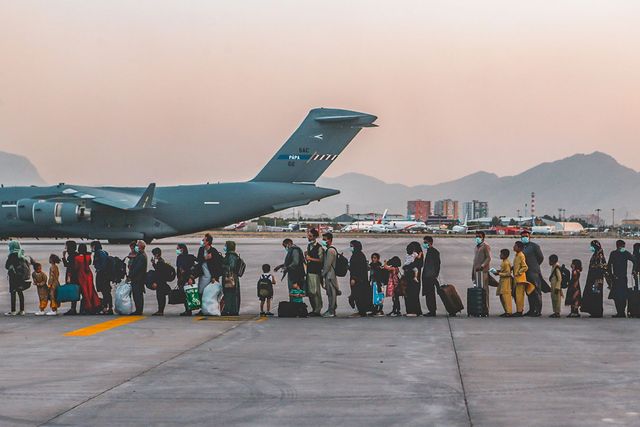
The Twenty-Year War That America Lost in Victory
Afghanistan: The Human, Economic, and Strategic Cost to America, Its Allies, Pakistan, and the Region
-
Opinion · Indo-Pacific
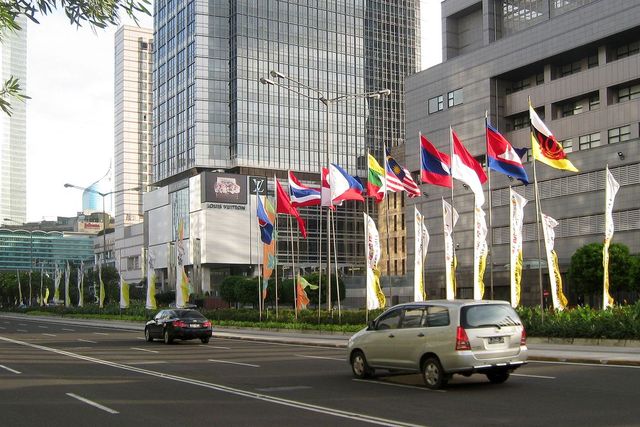
ASEAN Economic Security Alarm
ASEAN’s strong economic growth is masking widening disparities in technology, investment and productive capacity, raising a critical question: can the region turn growth into genuine economic security for all its members?
-
Research brief · Americas
The Debt Behind American Power
As US debt rises, the financial value of dollar dominance grows. This essay examines whether Washington can reduce its global commitments without weakening the conditions that help sustain its borrowing advantage.
-
Analysis · Middle East & North Africa
Bangkok's Debt Test: Who Pays for the Iran War?
The IMF and World Bank arrive in Bangkok as the Iran war drives up fuel and fertilizer costs. The crisis is not only about supply. It is about which governments still have room to protect their people, and which are being forced to pass the bill on.
-
Analysis · Africa
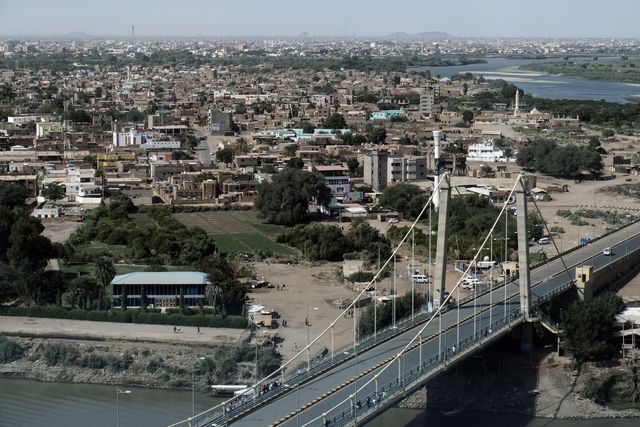
Sudan's Civil War and the Regional Balance of Power
Sudan's civil war is drawing in regional powers whose competing security and economic interests could make a settlement harder to reach.
-
Research brief · South Asia
Five Movements, One Template: What India's Big Protests Have in Common
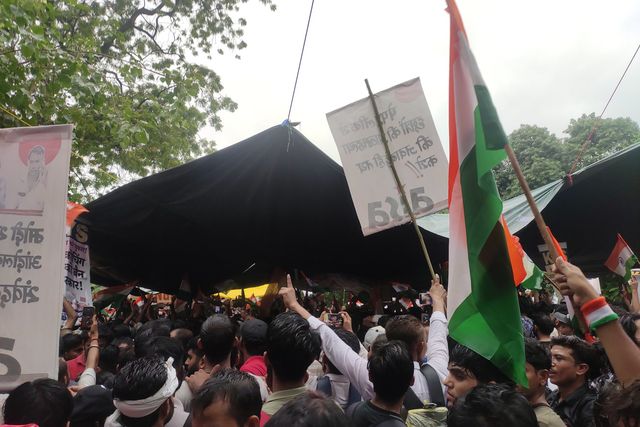
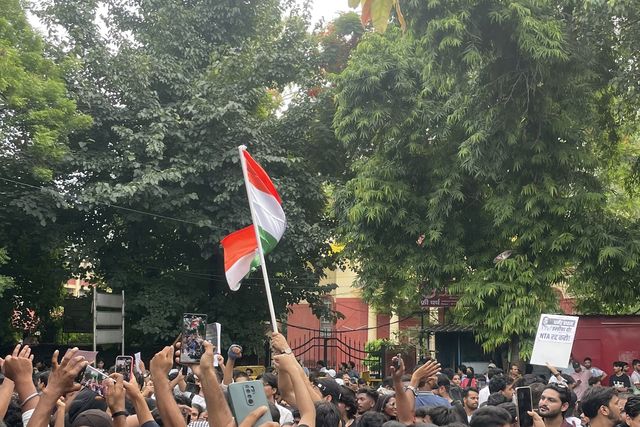
Part 5 of The Protest Question. Put India's five largest movements since 2019 on the same twelve-line template and a pattern appears. Each had a domestic trigger a court or ministry can be named for. Each was met with a foreign-hand claim within days. Twenty such claims are on the record. A court has upheld none of them.
-
Research brief · South Asia
The Verdict: Is India's Protest Wave Engineered?
Part 6 of The Protest Question. The series set out to test a hypothesis many Indians hold and officials repeat: that the country's rising protests are engineered from outside. This part makes the strongest case for it, the strongest case against it, and says what the evidence settles, what it cannot, and what follows for the state, for investors and for India's standing.
-
Research brief · South Asia
The Foreign Hand, Measured: What Is Proven About the Amplification of India's Protests
Part 4 of The Protest Question. Coordinated amplification of Indian protest is plausible in every direction and documented in several. For the Cockroach Janta Party movement of 2026, the claims of a Pakistani network and a digital conspiracy rest, as of October, on nothing anyone can examine. This part separates what platforms, courts and researchers have shown from what officials have said.
-
Analysis · Africa
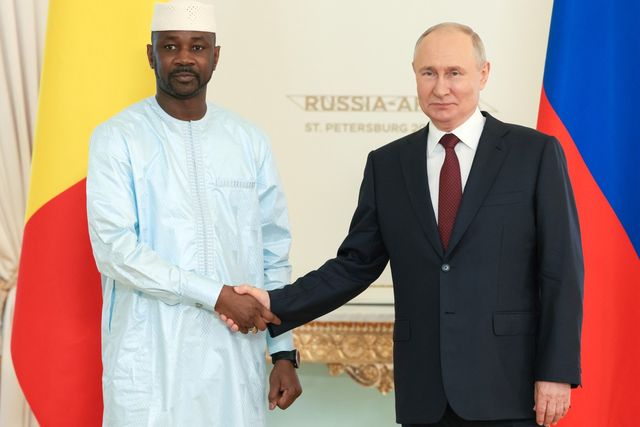
The Sahel Didn't Replace France. It Unbundled It.
Mali, Burkina Faso and Niger are often described as having swapped France for Russia. The record shows something narrower: the security layer of France's presence was replaced quickly, through Wagner and Turkish drones, while the development finance, monetary architecture and institutional access that came with it were not replaced at comparable scale by anyone.
-
Analysis · South Asia
Afghanistan After NATO: When the Balloon Economy Lost Its Air
From the pre-9/11 battlefield to two decades of foreign-funded state-building — and now a search for economic survival
-
Analysis · Middle East & North Africa
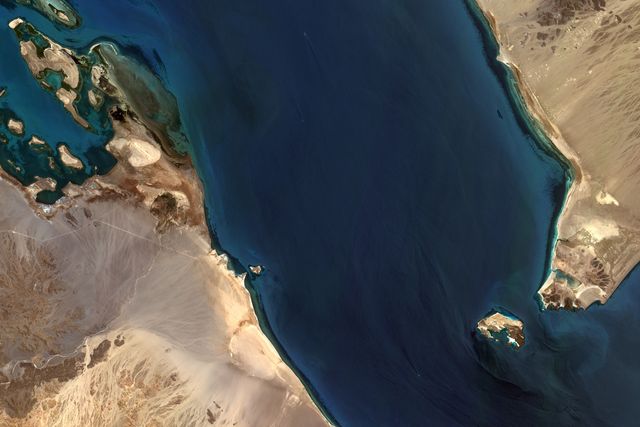
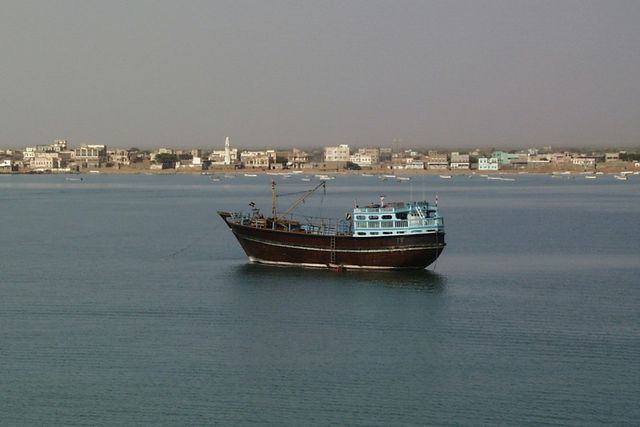
The Sandals Gatekeepers: How a Houthi–Horn Axis Could Redraw Red Sea Power
In September the Houthis stopped being an insurgency and became a landlord. With al Shabaab on the opposite shore, the Red Sea faces a dual chokepoint squeeze.
-
Analysis · Middle East & North Africa
The Middle East’s New Firestorm: The Houthis, Saudi Arabia and the First Test of the Makkah Pact
The pact's most important test may not be whether Pakistan and Türkiye enter the Yemen war, but whether the three countries can strengthen Saudi Arabia's defence while preventing the conflict from widening.
-
Analysis · South Asia
The Cost of Partition: What the Subcontinent Lost in 1947
What was the economic, political and social price of dividing an integrated subcontinent?
-
Commentary · Middle East & North Africa
The Conflict That Conscripts Its Spectators
Why Israel and Palestine turn distant observers into participants in a war over legitimacy
-
Commentary · Americas
Trump Storms the UN Stage
Trump's speech to the United Nations put the contours of 'civilizationism' into greater relief. The real test case is not Iran but Cuba — and the ideology shaping both Trump's and Rubio's approach to the western hemisphere.
-
Analysis · Africa
Nigeria's Rating Upgrade Is Partly a War Dividend
Nigeria's sovereign credit rating upgrade is being presented as proof that three years of painful reform have finally paid off. Some of it has. But part of the improvement traces back to an oil price spike tied to a war Nigeria did not start.
-
Analysis · Americas
Why China Will Get What It Wants From Trump
Xi arrives in Washington with rare earths, cheap energy, and leverage. Trump arrives with $6 diesel and a war he can't afford.
-
Analysis · South Asia
Grid, Factory, and the Shared Sovereignty Problem: India-Israel Convergence in Electrical, Automation, and Robotics Technology
India's manufacturing scale without design-and-verification depth, and Israel's design-and-verification depth without manufacturing scale, are mirror-image versions of the same incomplete sovereignty position. Converging them is not merely good industrial policy.
-
Analysis · Russia & Eurasia
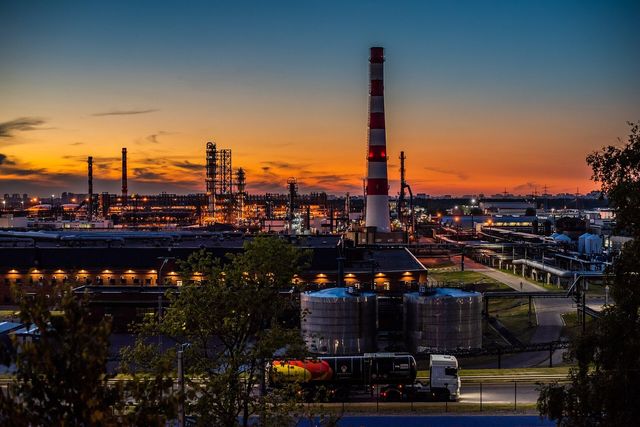
Washington Is Now Defending Russia's Oil Refineries
American diesel passed $6 a gallon on Friday. On Sunday the President asked Ukraine to stop destroying the refineries of the country he is sanctioning. The two facts are the same fact.
-
Analysis · Middle East & North Africa
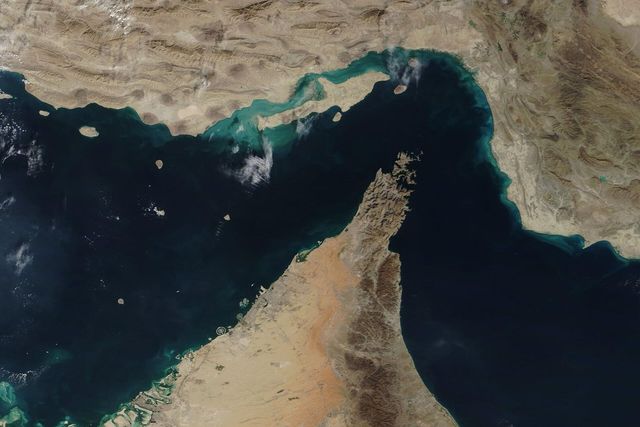
The Last Way Around Hormuz Is Closed
Drones launched from Iraq shut the pipeline that carried five million barrels a day past the strait. Brent is above $107, the ten-year Treasury is at 4.97%, and the Federal Reserve meets on Wednesday.
-
Analysis · Russia & Eurasia
Does Russia Alienate Russians It Later Claims It Must Protect?
Russia's war has driven Russians into neighbouring countries, potentially creating the very diaspora populations Moscow could someday invoke to justify political pressure or intervention.
-
Analysis · Middle East & North Africa
Why Trump Can't End the Iran War After the Midterms
The Vice President says by January 2029. The theory of how wars end says neither of them controls the date.
-
Analysis · Europe
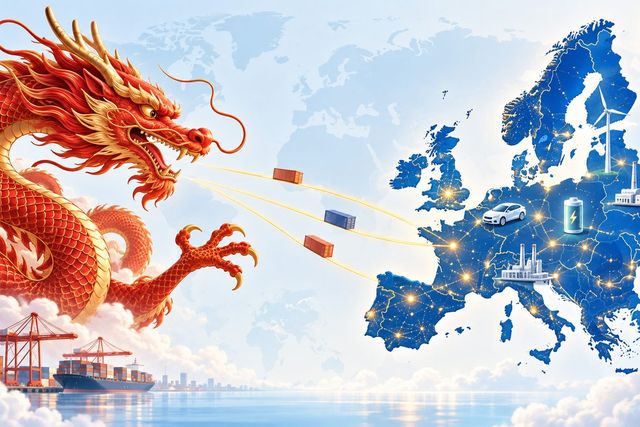
Europe Is Becoming a Chinese Colony
How Europe’s trade imbalance with China is becoming a vulnerability for jobs, manufacturing, and security.
-
Analysis · Indo-Pacific
China Won’t Invade Taiwan. It Will Quarantine It.
A blockade is an act of war. A quarantine is paperwork
-
Analysis · Americas
Trump Doesn’t Want Money From His Allies. He Wants Their Soldiers.
South Korea pay the price of the US security guaranty
-
Analysis · Russia & Eurasia
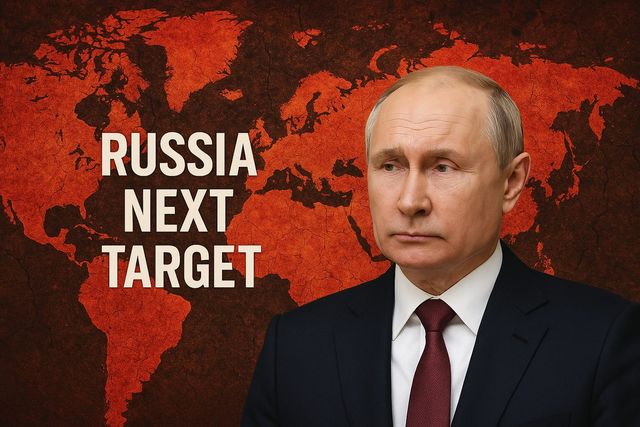
Russia Is Frustrated. Europe will be targeted next.
Britain crosses Moscow’s red lines, and NATO’s defences run dangerously low.
-
Analysis · Russia & Eurasia
The World Is Moving Toward a Food Crisis. Russia Could Be the Last Resort.
War, fertiliser shortages, export restrictions and El Niño are breaking the global food chain
-
Analysis · Europe
How Far Can Europe Go for Ukraine?
Europe has become Ukraine’s biggest financial backer. The real question is whether Europe’s own economy can survive the cost.
-
Research paper · Americas
The End of the Liberal International Order? What Comes Next, We Still Do Not Know
The liberal international order is widely held to be breaking apart, yet scholars disagree about what is breaking, when the breakdown began, and what will take its place.
-
Analysis · Americas
Why Greenland Is Not Worth It for Trump
Natural resources, power politics, and the high price of coercion
-
Analysis · Russia & Eurasia
Russia’s War Economy Is Finally Breaking Apart
The Illusion of Strength Is Fading
-
Analysis · South Asia
India-Pakistan: The Next Major War?
5 ways India can respond to the terrorist attack by Pakistan