
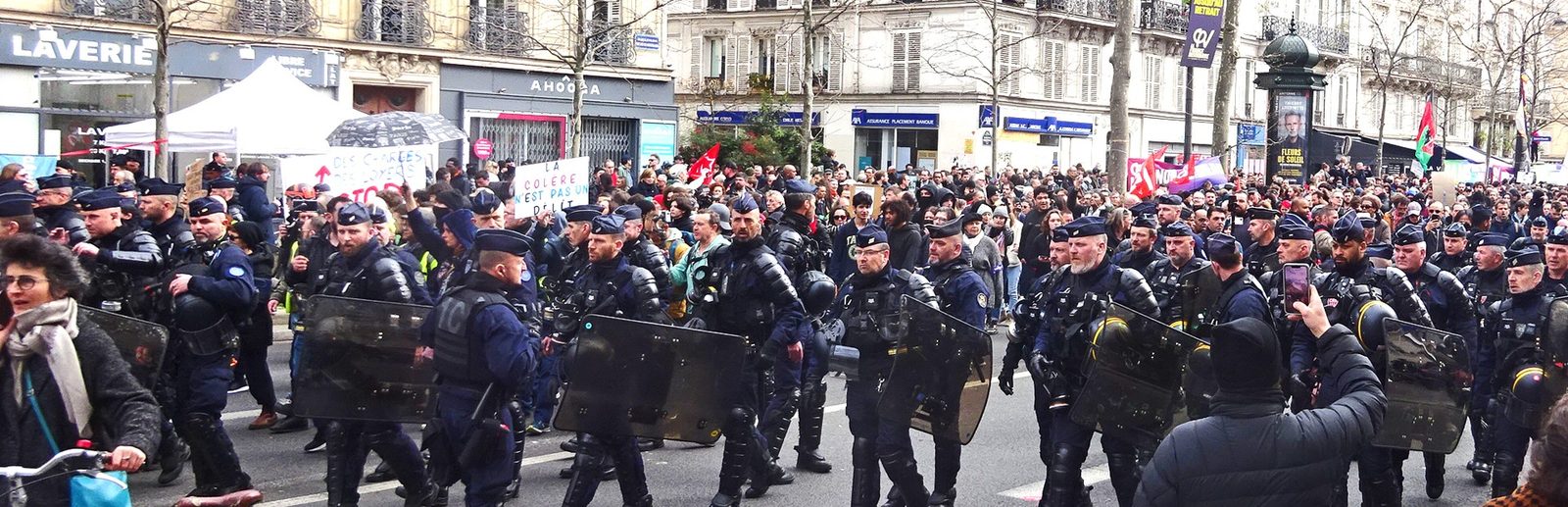
The streets of Western and Southern Europe are no longer just transit corridors for the daily rush. They have transformed into the staging grounds for a profound generational reckoning. What began as a localized friction over underfunded classrooms and missing teachers in France has metastasized into a continental wave of civil unrest, coordinated largely by a generation that feels its future has been bartered away.
Propelled by Gen-Z leadership and grassroots campaign networks, hundreds of thousands of citizens are stepping off the sidewalks and into the path of the riot police, driven by the claustrophobia of a compounding cost-of-living crisis.
Across the major European capitals, the traditional boundaries of political dissent are dissolving, replaced by a collective cross-border defiance that catches the governments flat-footed.
At the heart of this unrest is an agonizing widespread exhaustion. In Paris, Berlin, Madrid and Lisbon, the modern social contract is fraying under the weight of soaring inflation, unpayable energy bills and a housing market that has effectively locked a generation out of independent adulthood.
When the rent outpaces the wages and the public infrastructure crumbles, the structural anxiety of daily survival inevitably spills over into defiance.
The tent encampments in the plazas of Spain and the mass marches through the avenues of Portugal are no longer isolated policy protests. They are the structural indictments of an economic landscape where the basic milestones of life have become luxury goods.
The youth are realizing that working hard and following the rules no longer guarantees a stable life and this realization has turned despair into open rebellion.
As the movement has expanded, the friction on the ground has turned volatile, exposing a darker and more chaotic undercurrent. The weekends now bring a familiar grim choreography of escalation.
In Frankfurt and Berlin, the initial structured policy demands have been eclipsed by raw tactical chaos in some places. The storefronts have been looted, and the fireworks and stones have been turned against the emergency responders.
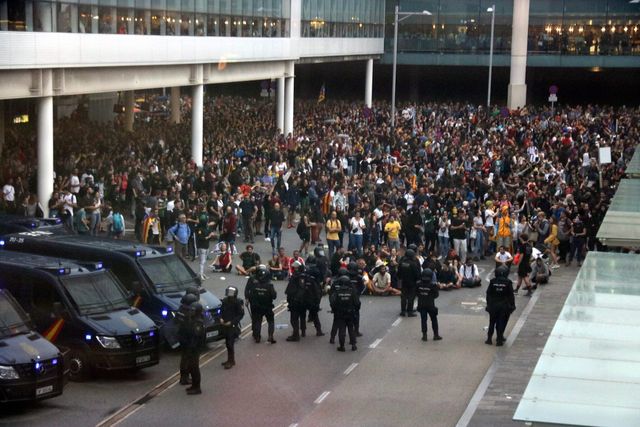
The responses from these states—measured in tear gas canisters, water cannons and hundreds of arrests—reflect governing authorities struggling to contain frustration that does not just want minor policy adjustments, but fundamental reassessment of societal priorities.
This escalating violence highlights a dangerous truth. When young people feel completely locked out of the system, a segment of them will inevitably decide that the system is no longer worth preserving.
As these demonstrations bleed across borders from Belgium to Greece, Europe finds itself navigating a dangerous inflection point. This is not a temporary flare-up of standard political dissatisfaction, but a systemic crisis of stability.
The core issue is that the mechanisms meant to address the public grievances are failing to keep pace with the speed of economic decline. When citizens lose faith in the ability of their governments to provide basic security, affordable housing and decent education, the legitimacy of the institutions themselves begins to erode.
The European leaders can no longer afford to treat these protests as isolated disruptions to be managed by the riot police and temporary subsidies. If the underlying economic pressures on the continent's youth are left unaddressed, the cracks currently showing on the streets of Paris, Frankfurt, Berlin, Madrid and Lisbon will widen into a permanent structural fracture, altering the political landscape of the continent for decades to come.
Sources: BBC: France’s school protests · Euronews: Economic pressures behind Europe’s protests · AFP: Madrid’s housing protest camp · Reuters: Lisbon housing and living-cost protests · BBC: Germany protests and looting · Sky News: Protests across Europe, 31 October–1 November 2026 · Reuters Connect: Lisbon reporting and footage, 17 October 2026


Comments
No comments yet. Be the first.
Comments are closed on this article.