
For years, Western governments have sought to restrict Iran's access to international markets through sanctions targeting its energy exports, banking system and military procurement. Yet the effectiveness of these measures depends increasingly on activities beyond Iranian territory. Trading companies in the United Arab Emirates, Hong Kong-based front companies linked to Iranian exchange houses, shadow-fleet operators, offshore corporate networks and digital-asset exchanges help move Iranian commodities through international markets and channel their proceeds back to Iranian beneficiaries.
The central challenge extends beyond identifying the Iranian institutions subject to restrictions. It lies in identifying and disrupting the foreign commercial relationships that allow those restrictions to be circumvented. Recent American designations reveal both the reach of Western enforcement and its persistent limitations: authorities can sanction individual facilitators, but the networks connecting them can shift responsibilities, recruit replacements and continue providing the same services.
The Trade Does Not End at Iran's Border
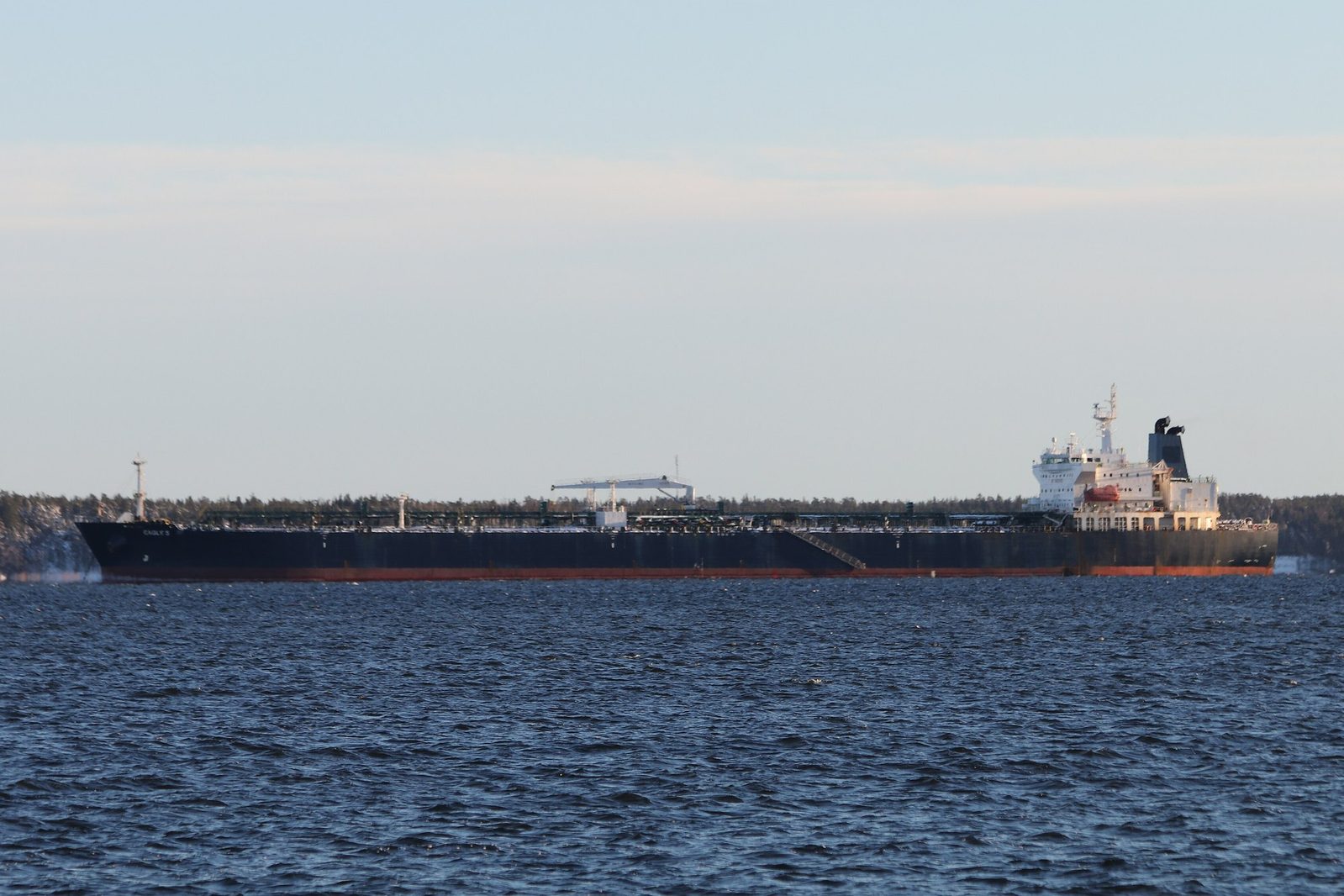
Sanctions target defined persons, transactions and property interests. International commerce works differently. A shipment may be sold through a UAE trading company, carried aboard a tanker owned in another jurisdiction, registered under a third flag and paid for through an account in Hong Kong. The companies involved need not share an address or even have direct contact with the Iranian producer. Their combined services can nevertheless sustain a transaction that sanctions were designed to restrict.
This separation creates both concealment and resilience. Cargo documentation can disguise origin; layered ownership can obscure control; overseas exchange houses can settle obligations for Iranian clients without those clients appearing as the immediate account holders. Each function introduces a different regulator and a different opportunity to overlook the relationship between the transaction and its ultimate beneficiary.
None of this renders designations futile. Asset freezes, market exclusions and compliance warnings raise costs and can sever particular relationships. But they generally remove identifiable actors, not the demand for brokerage, transport or settlement. The harder question is whether enforcement disables the service or merely forces its organisers to find someone else to provide it.
A Cargo Acquires Another Origin
Shipping illustrates how easily a physical commodity can acquire a different commercial identity. The US Treasury's maritime advisory of 16 April 2025 describes ship-to-ship transfers, manipulated vessel-tracking data, opaque ownership and altered documentation used to obscure Iranian petroleum movements. Some of these practices, notably ship-to-ship transfers, have legitimate uses; their significance lies in their combination and circumstances.
A Treasury designation announced on 5 June 2026 documented a network exporting Iranian-origin liquefied petroleum gas (LPG) to Asian buyers while allegedly presenting it as Omani. The named intermediaries included UAE-based Butani Trading LLC, Dundlod Trading FZE and ADH Energy FZE, alongside a company in China. Treasury identified foreign accounts, trading companies and vessels supporting the operation.
In one transaction, Dundlod Trading delivered approximately 22,000 metric tonnes of LPG to Bangladesh in October 2025, worth around $10.5 million, aboard LPG SEVAN. The same vessel carried other LPG shipments to Bangladesh, while GAS ZEINA featured in earlier deliveries. The designation described the misrepresentation of origin as central to the network's activity – not evidence that the Omani government had authorised it.
The enforcement problem did not lie simply in locating LPG SEVAN. It lay in establishing that the cargo's declared origin differed from its actual origin and connecting the shipment to the companies that arranged the sale and received its proceeds. Those facts are dispersed across bills of lading, trading contracts, ownership records, banking information and port documentation.
The next vulnerability goes deeper: some operators manufacture the credentials on which maritime trust depends. In a 4 November 2026 action, Treasury targeted an India-based network associated with Suniel Kumar Sharma that allegedly created fraudulent registries and websites claiming authority to register ships for countries including Eswatini and Guyana. Treasury cited vessels involved in Iranian oil movements using documents from such operations.
A fraudulent registry does not merely hide a tanker's owner; it counterfeits the authority meant to validate its nationality. This is why the International Maritime Organization's April 2026 guidelines on ship registration matter. They address verification of registration authority and ownership records – a weakness affecting maritime governance well beyond Iran.
The Payments Behind the Cargo
Moving petroleum is only half the transaction. The proceeds must reach Iranian beneficiaries or meet obligations on their behalf. Here, exchange houses and foreign front companies can substitute for banking relationships that sanctioned institutions can no longer use openly.
The US Treasury's 6 June 2025 designation of the Zarringhalam network showed how Iran-based exchange houses organised payments through companies incorporated in Hong Kong and the UAE. Mansour, Nasser, and Fazlolah Zarringhalam oversaw exchange businesses linked to numerous foreign front companies used in transactions involving Iranian oil and petrochemical sales.
Treasury identified Hong Kong-based Hero Companion Limited as facilitating approximately $20 million in payments received by the National Iranian Oil Company (NIOC) in February 2025 for petroleum products sold to the US-sanctioned Petroquimico FZE. Plzcome Limited and Kinlere Trading Limited handled other multimillion-dollar NIOC-related payments. Additional companies in the network processed transactions in dollars and euros.
What matters is the separation between the foreign account holder and the party whose transaction it serves. A payment may appear to involve an ordinary overseas trading firm while settling an obligation to a sanctioned Iranian entity. The number of companies involved shows that the network had several channels; it does not, on its own, prove those companies were replaced after designation.
The same settlement logic now spans conventional money transfers and digital assets. On 6 November 2026, Treasury designated eight Canadian money-services businesses that it said facilitated Iranian-linked transactions through currency exchange and cryptocurrency services. Amin Exchange, for example, offered transfers between Iran and Canada alongside digital-asset transactions involving addresses linked to sanctioned Iranian exchanges. This does not establish that the Zarringhalam firms used the same channels. It shows that different payment technologies can perform overlapping functions for Iranian-linked intermediaries.
Replacing a bank account with a digital wallet is not automatic. Liquidity, counterparties, controls and access to usable currencies still matter. But the coexistence of several settlement routes gives investigators more than one financial trail to follow – and networks more than one route to attempt.
After Designation: Actual Replacement, Not Assumed Resilience
The strongest evidence of network adaptation comes from the shipping enterprise associated with Mohammad Hossein Shamkhani. Treasury's July 2025 action targeted a broad network involved in transporting Iranian and Russian petroleum. Its follow-up designation on 15 April 2026 documented two operational shifts following the earlier sanctions.
According to Treasury, UAE-based Meritron DMCC replaced the previously designated Teodor Shipping LLC in a transaction to procure two newly built vessels from South Korea. Separately, Marvise SMC DMCC shifted operations to Helmatic Consultancy DMCC following Marvise's July 2025 designation. These are examples of commercial responsibilities passing to other firms after enforcement action – not merely several shell companies operating simultaneously.
The evidence proves adaptation, not that sanctions were costless. A replacement company must still obtain counterparties, financing, insurance and operational credibility. Losing those relationships can impose delays and substantial expense even when particular activities continue. Indeed, the difficulty of recreating them points to where enforcement may prove most effective.
A corporate name is comparatively easy to replace. Trusted access to banking, insurance, ports and recognized maritime credentials is harder. The difference should inform how success is measured: not simply by the number of companies listed, but by whether a network can still purchase ships, transport cargo and settle payments on workable terms.
Where Europe Has Leverage
For Europe, the obstacle is not simply that its enforcement agencies lack information. The European Union and the United States wield different legal instruments. American secondary sanctions can expose foreign firms to exclusion from US financial and commercial markets even without an ordinary domestic nexus. EU restrictions apply according to their own defined scope and jurisdictional rules. An OFAC listing, by itself, does not establish an EU-law violation.
Yet Europe retains leverage over services without which much international trade becomes more costly or difficult. After the EU reimposed nuclear-related Iran measures on 29 September 2025, its rules again restricted specified insurance, reinsurance and maritime-related services. The Danish Maritime Authority's guidance identifies restrictions on insurance for relevant Iranian persons and, from January 2026, certain classification, certification and inspection services concerning Iranian-flagged or Iranian-controlled vessels.
These are not merely administrative tools. A tanker can be registered under an obscure flag, yet still require credible liability insurance and technical certification to transact with established counterparties. The International Group of Protection and Indemnity Clubs reports that its twelve member clubs cover approximately 87% of the world's ocean-going tonnage. The group is international and London is outside the EU; its reach should not be mistaken for a single European regulatory jurisdiction. Nevertheless, European and British rules affect important parts of this commercial ecosystem.
Europe also has potential financial leverage, but the limits matter. The Zarringhalam investigation identified payments in euros as well as dollars. Euro denomination alone does not prove that an EU-regulated bank processed a given transaction. Enforcement requires identifying an actual European account, intermediary, service provider or other applicable jurisdictional link. That investigation is more useful than the assumption that any euro payment automatically falls within Brussels' reach.
The Russia sanctions regime sharpens the policy choice. Shamkhani's network handled both Iranian and Russian petroleum, according to Treasury. Meanwhile, the Council of the EU listed additional third-country circumvention actors on 15 October 2026 and, in a further action on 16 November, targeted banks and shadow-fleet businesses, including companies linked to the UAE, China, Seychelles and Oman. These are Russia-related measures, not evidence that all those firms facilitated Iranian trade. They do demonstrate Europe's willingness to pursue third-country actors when its own legal criteria are met.
The geopolitical difficulty lies in the overlap. The UAE, China and other commercial centers host services used in global energy trade while maintaining relationships with European governments that extend far beyond sanctions. European policymakers must decide how much commercial and diplomatic friction they are prepared to accept to restrict suspect shipping and financial services. That is a strategic choice, not a compliance checklist.
What Western Pressure Cannot Command
The strongest objection to wider enforcement is legal and economic. Third-country governments have no general obligation to enforce every unilateral American restriction. Their companies may engage in transactions lawful under local rules but exposed to US secondary sanctions. Overzealous screening can also delay humanitarian transactions, encourage financial institutions to abandon otherwise permitted business and drive activity toward less transparent providers.
Nor does an offshore company or unusual payment route establish deliberate evasion. Strong enforcement distinguishes transactions prohibited under applicable law from conduct that merely looks inconvenient or politically unwelcome. The same discipline protects the credibility of sanctions and the willingness of legitimate firms to cooperate.
But legal limits do not leave Western governments powerless. They can restrict access to their own markets and regulated services, investigate transactions within their jurisdiction, and impose sanctions on foreign facilitators where the applicable legal framework permits. What they cannot command unilaterally is every corporate registry, maritime administration or financial supervisor abroad.
That is the remaining political bargain. Authorities in Abu Dhabi, Beijing, Hong Kong and other intermediary jurisdictions decide how to supervise companies and services operating within their legal reach. Their incentives differ, and the appearance of a sanctioned company in a jurisdiction does not demonstrate official complicity. Yet sustained disruption depends partly on whether local authorities investigate deceptive conduct, exchange information and prevent identified operators from reconstructing the same business under new names.
Western leverage is strongest where those authorities have reasons of their own to act. Fraudulent ship registration threatens maritime credibility and safety irrespective of Iran policy. Illicit finance can damage a jurisdiction's reputation and banking relationships. Cooperation built around such interests may last longer than demands for blanket alignment with foreign sanctions.
Beyond the Next Name on the List
The LPG and Zarringhalam cases show how foreign intermediaries can obscure the origin of Iranian exports and the beneficiaries of their proceeds. The Shamkhani case adds the missing dynamic: after designations, some commercial responsibilities moved to other firms. Taken together, they expose the distance between identifying a network and constraining the functions that keep it operating.
Europe can use maritime services and its own financial jurisdiction to narrow the distance. Washington can exert considerable pressure through market access and secondary sanctions. Neither can guarantee that foreign registries, banks and regulators will act in concert.
Iran sanctions enforcement will be judged less by how many intermediaries Western governments identify than by how difficult they make it to replace them. That outcome depends on two things sanctions lists cannot supply by themselves: control over indispensable commercial services and cooperation from the jurisdictions through which those services pass.
References
- US Department of the Treasury, Economic Fury Targets Iranian LPG Smuggling and Shadow Banking Networks (5 June 2026).
- US Department of the Treasury, Treasury Sanctions Iranian Network Laundering Billions for Regime Through Shadow Banking Scheme (6 June 2025).
- US Department of the Treasury, Treasury Takes Massive Action Against High-Profile Iranian Network (30 July 2025).
- US Department of the Treasury, Economic Fury Targets Illicit Oil Smuggling Network Run by Iranian Regime Elite (15 April 2026).
- US Department of the Treasury, Operation Economic Outcast Targets Global Maritime Fraud Network Supporting Iranian Regime (4 November 2026).
- US Department of the Treasury, Operation Economic Outcast Sanctions Eight Canadian Money Services Businesses Enabling Iranian Regime (6 November 2026).
- US Department of the Treasury / OFAC, Guidance for Shipping and Maritime Stakeholders on Detecting and Mitigating Iranian Oil Sanctions Evasion (16 April 2025).
- International Maritime Organization, IMO Approves New Guidelines on Ship Registration (17 April 2026).
- Council of the EU, Iran Sanctions Snapback: Council Reimposes Restrictive Measures (29 September 2025).
- Danish Maritime Authority, Sanctions Against Iran.
- International Group of P&I Clubs, About the International Group.
- Council of the EU, Closing Loopholes: Council Lists Individuals and Entities for Circumventing EU Sanctions (15 October 2026).
- Council of the EU, Ukraine: EU Lists 113 Individuals and Entities to Further Restrict Russia's Ability to Finance Its War of Aggression (16 November 2026).

Comments
No comments yet. Be the first.
Comments are closed on this article.