Home / Topics / Americas / United States
United States
Analysis and research on United States: 38 articles so far, newest first, from The Geopolitical Economist's coverage of Americas.
Follow United States: RSS feed · weekly newsletter · all of Americas
-
Analysis · Americas
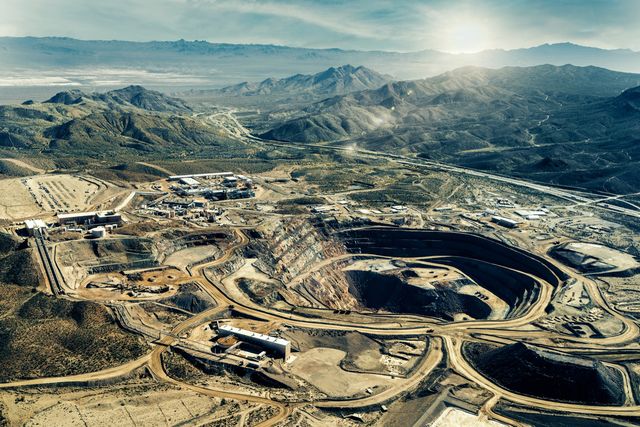
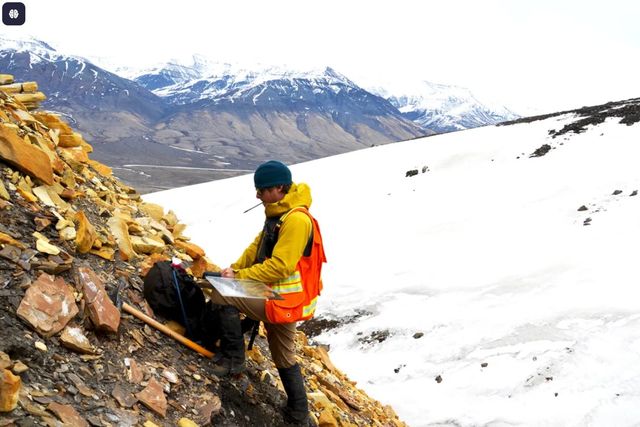
The Trojan Horse of Critical Minerals List
Investors treat critical mineral lists as objective maps of vulnerability. The record from the US, Canada, the EU and Australia shows the definition of ‘critical’ is shaped by a messier mix of technical assessment, political judgment and commercial interest.
-
Opinion · Americas
The Bay of Bengal Could Become the Next Frontier of U.S.–Bangladesh Economic Cooperation
The February 2026 trade deal was a start. The bigger opportunity is offshore: sustainable fisheries, offshore wind, port development, climate-resilient infrastructure and shared science across the Bay of Bengal.
-
Analysis · Indo-Pacific
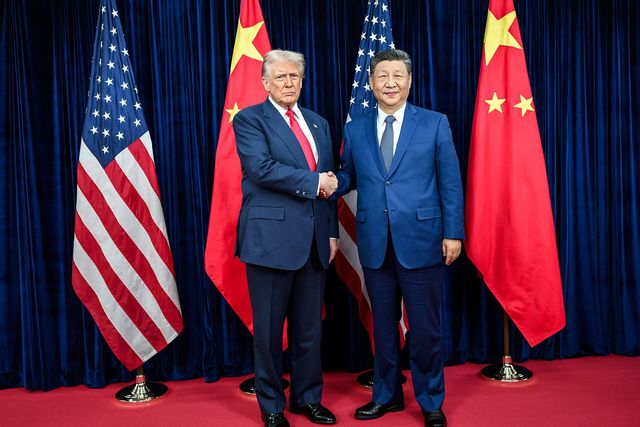
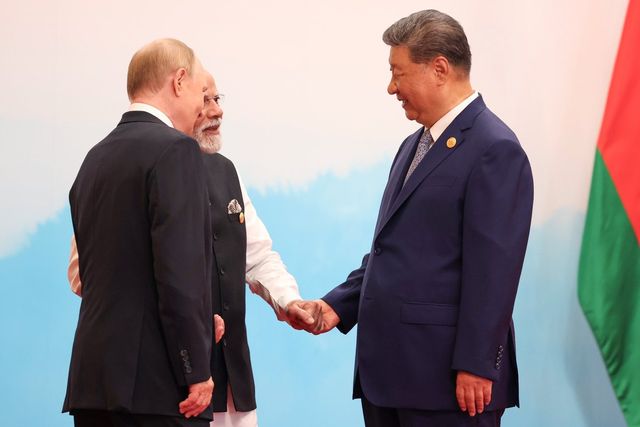
At Yalta, China Wasn’t in the Room. In Shenzhen, It Owns the House.
The first-ever meeting of the American, Chinese and Russian leaders will likely settle nothing. That is not the point. The new order is not being declared in Shenzhen. It is being hosted.
-
Opinion · Middle East & North Africa
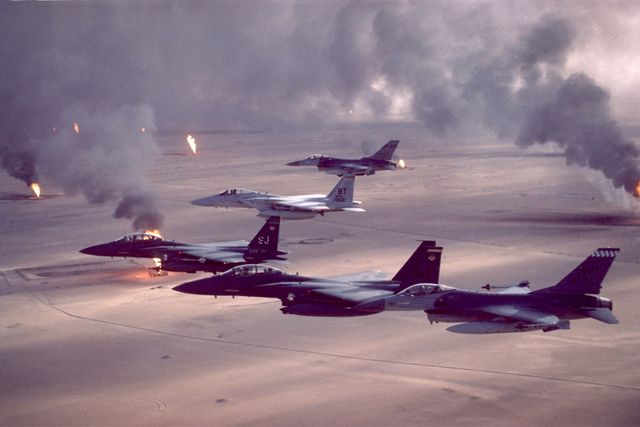
The Story We Weren't Told About the Gulf War, 9/11 and the Iraq War
How battlefield victories in 1991 and 2003 produced consequences few policymakers anticipated.
-
Analysis · Americas
The AI Economy: Beyond Automation
How AI is reshaping labour, migration, resources, and global competition.
-
Opinion · Indo-Pacific
Lose It or Use It: China's Critical Minerals Dilemma
China’s use of critical minerals as leverage has reversed the old logic. The advantage is eroding whether Beijing acts or not, so the rational step is to use it while it still works.
-
Opinion · Americas
The Phenomenon of Diversity in the U.S. Midterm Elections and Its Global Significance
Historical development dictates that social consciousness must align with economic strength.
-
Opinion · Americas
When Prices Rise Faster Than Paychecks
When prices rise faster than wages, strong consumer spending can mask a deeper erosion of American households’ purchasing power and financial resilience.
-
Opinion · Middle East & North Africa
Can Saudi Arabia Build a Third Pole Amid the US-China Technology Rivalry?
Saudi Arabia is leveraging Vision 2030, AI investment, and its strategic energy advantages to position itself as an independent technology hub amid intensifying U.S.–China competition.
-
Analysis · Russia & Eurasia
How Sanctions Deals With the Lukashenko Regime Are Changing U.S. Interests
Prisoner-release deals have won the Lukashenko regime sanctions relief. As Washington’s interest in Belarusian potash grows, each agreement changes its incentives in the subsequent negotiation.
-
Opinion · Middle East & North Africa
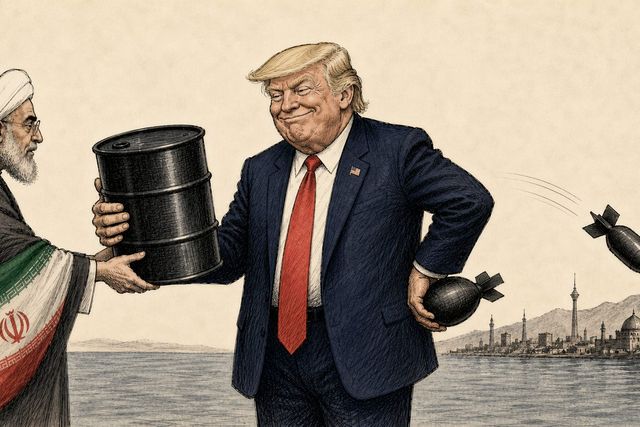
The Iran War: Another Costly War on America’s Head
Who Pays the Price, Who Profits, and Who Controls the Economic Fallout?
-
Analysis · Indo-Pacific
Russia’s Warship Diplomacy (Opening Economic Doors Amid Competition Among Three Global Powers)
Russia’s naval visits to Southeast Asia reveal how maritime diplomacy can create new economic opportunities for Moscow while testing ASEAN’s ability to balance its relations with China, the United States, and Russia.
-
Analysis · South Asia
India’s Agricultural Trade Is Not Just About Protection or Free Trade
India’s trade talks with the United States reveal a key challenge: protecting farmers while keeping animal feed affordable. Selective imports could help feed producers but may also increase competition for Indian crop farmers.
-
Research report · Americas
Can America Sustain Its Global Defence Commitments?
Europe, the Middle East and East Asia, 2027–2030. A members' research report on whether the United States can keep its security commitments when crises overlap: the forces it can use, what allies can take on, and three scenarios to 2030.
-
Analysis · Indo-Pacific
The US–China Truce Is Held Together by Hostages, Not Trust
Each extension of the US–China trade truce is shorter than the last. What keeps it alive before Shenzhen is not a deal but two chokepoints, China's rare earths and America's aircraft parts, each held as a hostage by the other side.
-
Analysis · South Asia
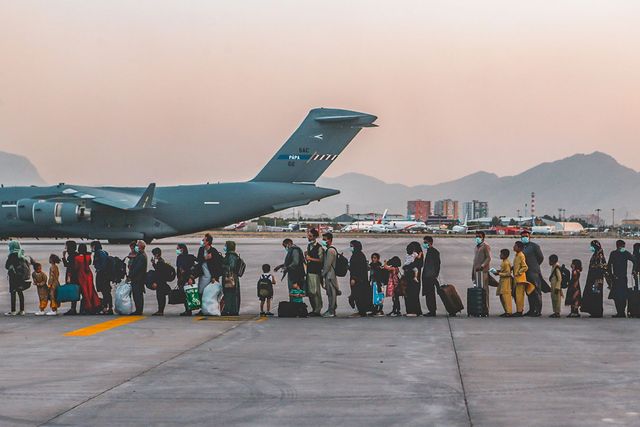
The Twenty-Year War That America Lost in Victory
Afghanistan: The Human, Economic, and Strategic Cost to America, Its Allies, Pakistan, and the Region
-
Research report · South Asia
Will the US Switch On Its Waived 100% Russian-Oil Tariff, and Which Indian Exports Would Pay?
The full report. On 16 October Washington set a 100 per cent duty on the largest buyers of Russian oil and waived it in the same order. What the law and the order say, where India's Russian oil buying stands, how the waiver could end, and which Indian exports would pay if it does.
-
Research brief · Americas
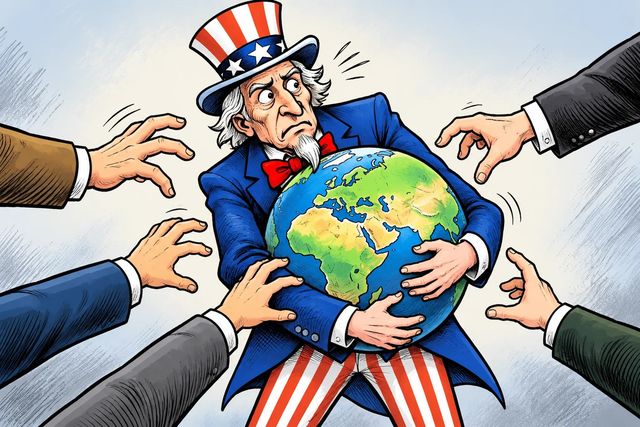
The Debt Behind American Power
As US debt rises, the financial value of dollar dominance grows. This essay examines whether Washington can reduce its global commitments without weakening the conditions that help sustain its borrowing advantage.
-
Analysis · Europe
Europe's Diesel Dependence Is Now a Strategic Liability
Washington's Russian diesel waiver is not simply an American sanctions reversal. It exposes Europe's dependence on imported fuel and the limits of a common Western policy when the United States changes course.
-
Analysis · Europe
The EU Signed Four Trade Deals in Nine Months. None of Them Solves Its Problem.
Between January and March 2026, the European Union concluded trade agreements with Mercosur, India and Australia, and began implementing the framework it struck with the United States the summer before. A steel and aluminium deadline arrives on 31 December. This brief asks whether the deals amount to a strategy or a shopping list.
-
Analysis · Africa
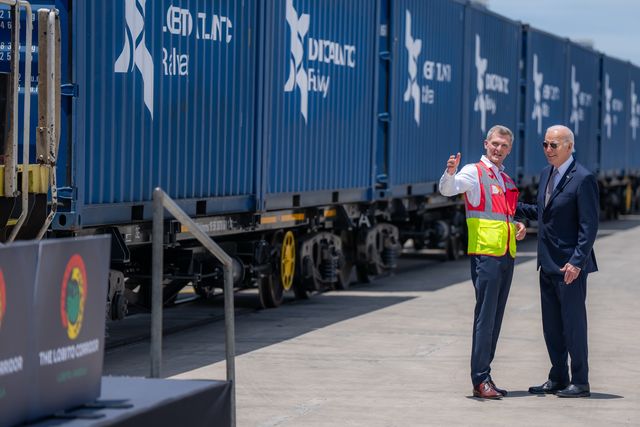
The Lobito Corridor Isn't an Alternative to China's Railway. It's China's Railway, Re-engineered for a Western Strategic Era.
The Lobito Corridor is widely described as the West's infrastructure answer to China in Africa's critical minerals race. This analysis finds a more precise pattern: the railway's physical core was rebuilt by Chinese financing and contractors between 2006 and 2015, and what the United States, the European Union and regional development banks have financed since 2022 is the operating concession and modernization of that existing line, not a newly built alternative. The one genuinely new piece, a Zambia-Angola extension, has fallen behind its own timeline, while China has already signed a comparable concession to modernize its own competing corridor.
-
Research brief · South Asia
Will the US Put a Tariff on Indian Goods Over Russian Oil, and Who Would Pay?
A new US law says the President must add a duty of up to 100 per cent to everything India sells to the United States because India buys Russian oil, unless he waives it. What the law says, how likely a duty is by 18 October, and which Indian exports would pay.
-
Analysis · Africa
Why Gold Can Buy Political Distance and Garments Cannot
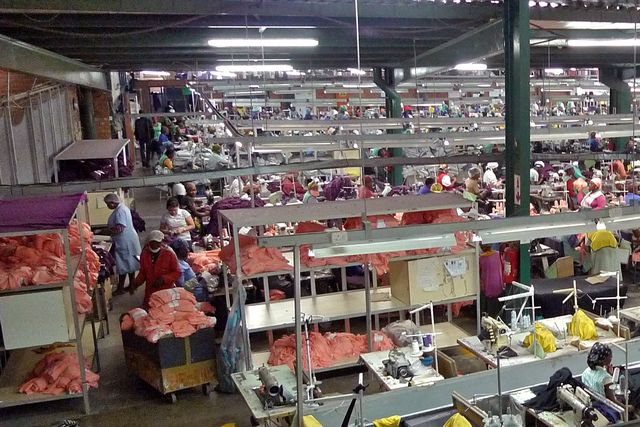
South Africa and Lesotho share a currency and a customs union, and absorbed the same American trade shock. The difference between their outcomes is not primarily about politics. It is about what each country sells, and how much of the value of those exports survives when the buyer changes.
-
Commentary · Americas
Trump Storms the UN Stage
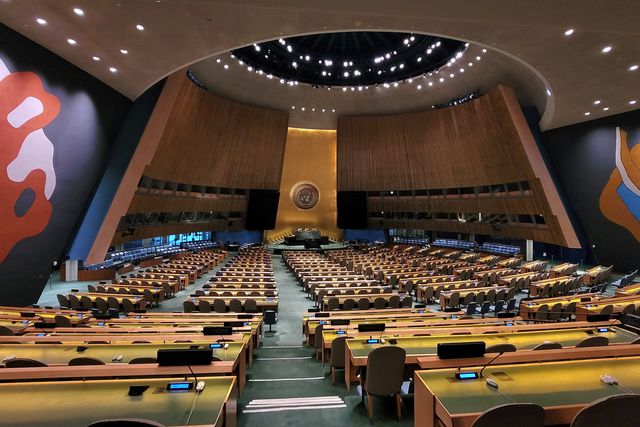
Trump's speech to the United Nations put the contours of 'civilizationism' into greater relief. The real test case is not Iran but Cuba — and the ideology shaping both Trump's and Rubio's approach to the western hemisphere.
-
Analysis · Americas
Why China Will Get What It Wants From Trump
Xi arrives in Washington with rare earths, cheap energy, and leverage. Trump arrives with $6 diesel and a war he can't afford.
-
Analysis · Africa
Who Defines Tunisia's Geopolitical Value? How Its Environment Shapes the State Itself
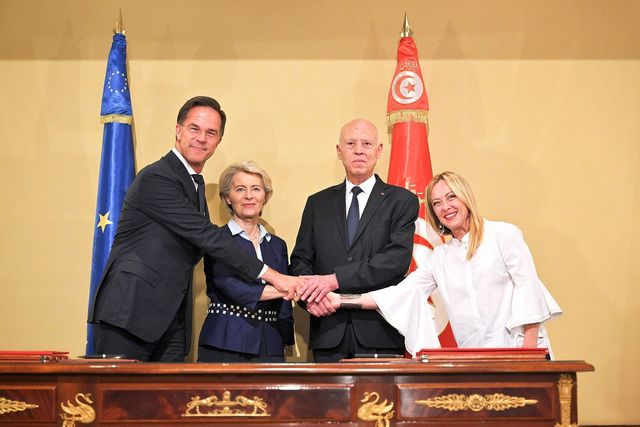
Tunisia's geopolitical value is not simply imposed by Europe, America or China. It is produced through an unequal exchange in which external demands reshape domestic incentives, and eventually the state itself.
-
Analysis · South Asia
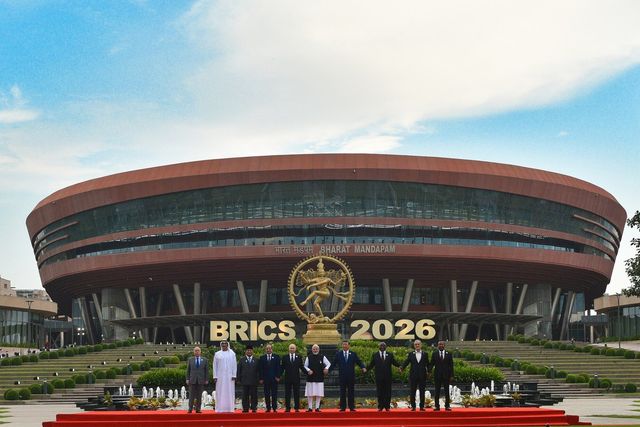
Bangladesh's BRICS Absence Was About More Than Protocol
Dhaka's no-show in New Delhi exposed a narrowing strategic space between BRICS-style financial autonomy and new U.S.-linked economic-security commitments.
-
Analysis · Europe
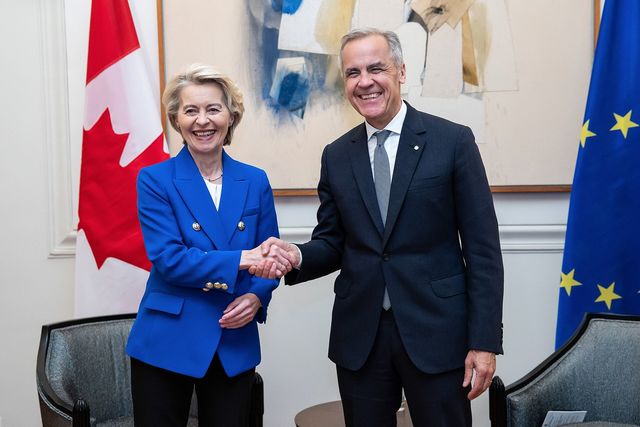
Canada Cannot Join Europe. It Can Get Most of the Way There.
Ottawa is exploring a status that does not exist, with a bloc whose treaties say it cannot join, to escape a neighbour that takes seven in ten of its exports. This brief sets out what is actually on the table, what is not, and how to price the outcomes.
-
Analysis · Russia & Eurasia
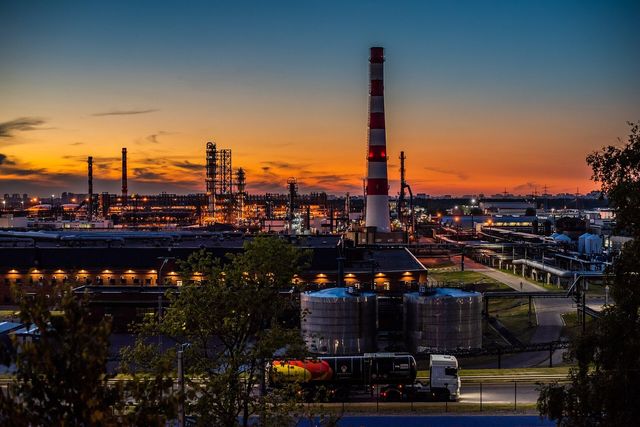
Washington Is Now Defending Russia's Oil Refineries
American diesel passed $6 a gallon on Friday. On Sunday the President asked Ukraine to stop destroying the refineries of the country he is sanctioning. The two facts are the same fact.
-
Analysis · Middle East & North Africa
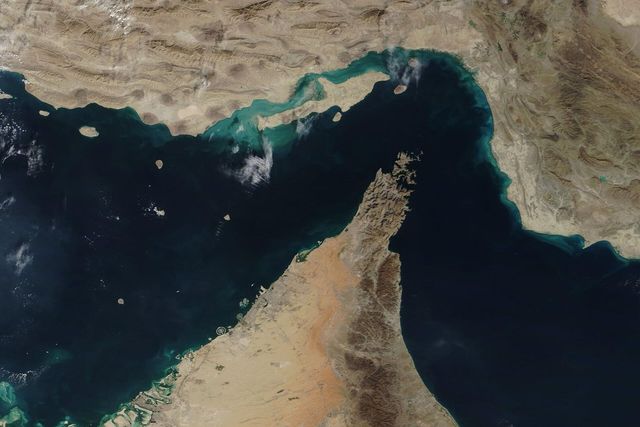
The Last Way Around Hormuz Is Closed
Drones launched from Iraq shut the pipeline that carried five million barrels a day past the strait. Brent is above $107, the ten-year Treasury is at 4.97%, and the Federal Reserve meets on Wednesday.
-
Analysis · Indo-Pacific
Why India and China Secretly Want the Dollar to Survive
The bloc's two biggest economies hold trillions in dollar assets, and their rivalry makes a shared alternative even less likely.
-
Analysis · Middle East & North Africa
Why Trump Can't End the Iran War After the Midterms
The Vice President says by January 2029. The theory of how wars end says neither of them controls the date.
-
Analysis · Middle East & North Africa
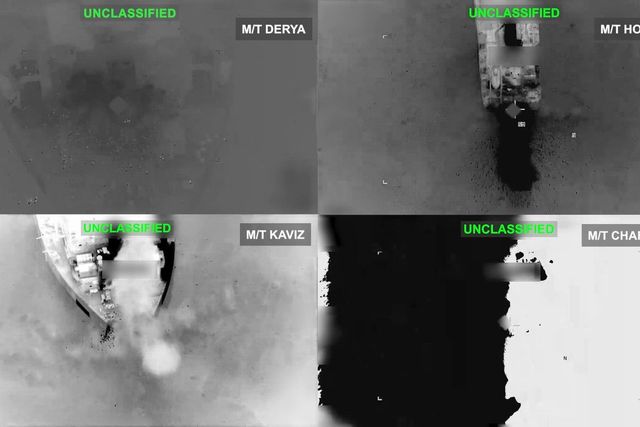
America Is Bombing Its Own Bond Market
Five Iranian tankers are burning, oil has crossed $100, and the U.S. Treasury is paying more than $1 trillion a year in interest. These three facts are one story.
-
Analysis · Americas
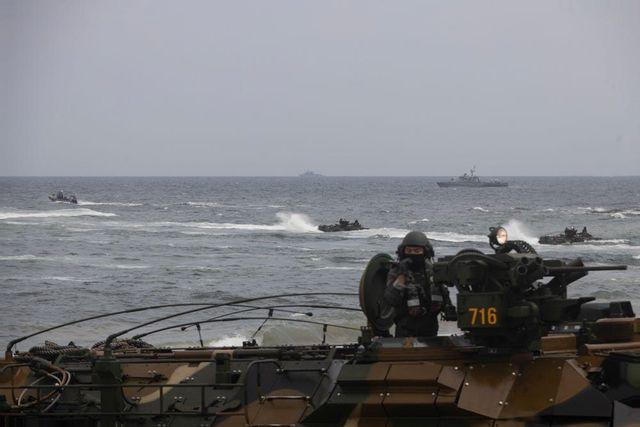
Trump Doesn’t Want Money From His Allies. He Wants Their Soldiers.
South Korea pay the price of the US security guaranty
-
Analysis · Middle East & North Africa
The U.S. Imported Iranian Oil While Bombing Iran
For one month, a quiet Treasury licence made Iranian crude legal in American ports
-
Research paper · Americas
The End of the Liberal International Order? What Comes Next, We Still Do Not Know
The liberal international order is widely held to be breaking apart, yet scholars disagree about what is breaking, when the breakdown began, and what will take its place.
-
Analysis · Americas
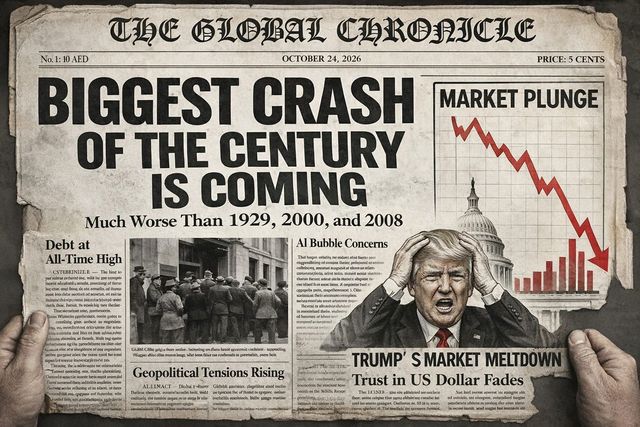
The Crash Will Begin in America and Hit the Entire World
Much Worse Than 1929, 2000, and 2008
-
Analysis · Americas
Why Greenland Is Not Worth It for Trump
Natural resources, power politics, and the high price of coercion