
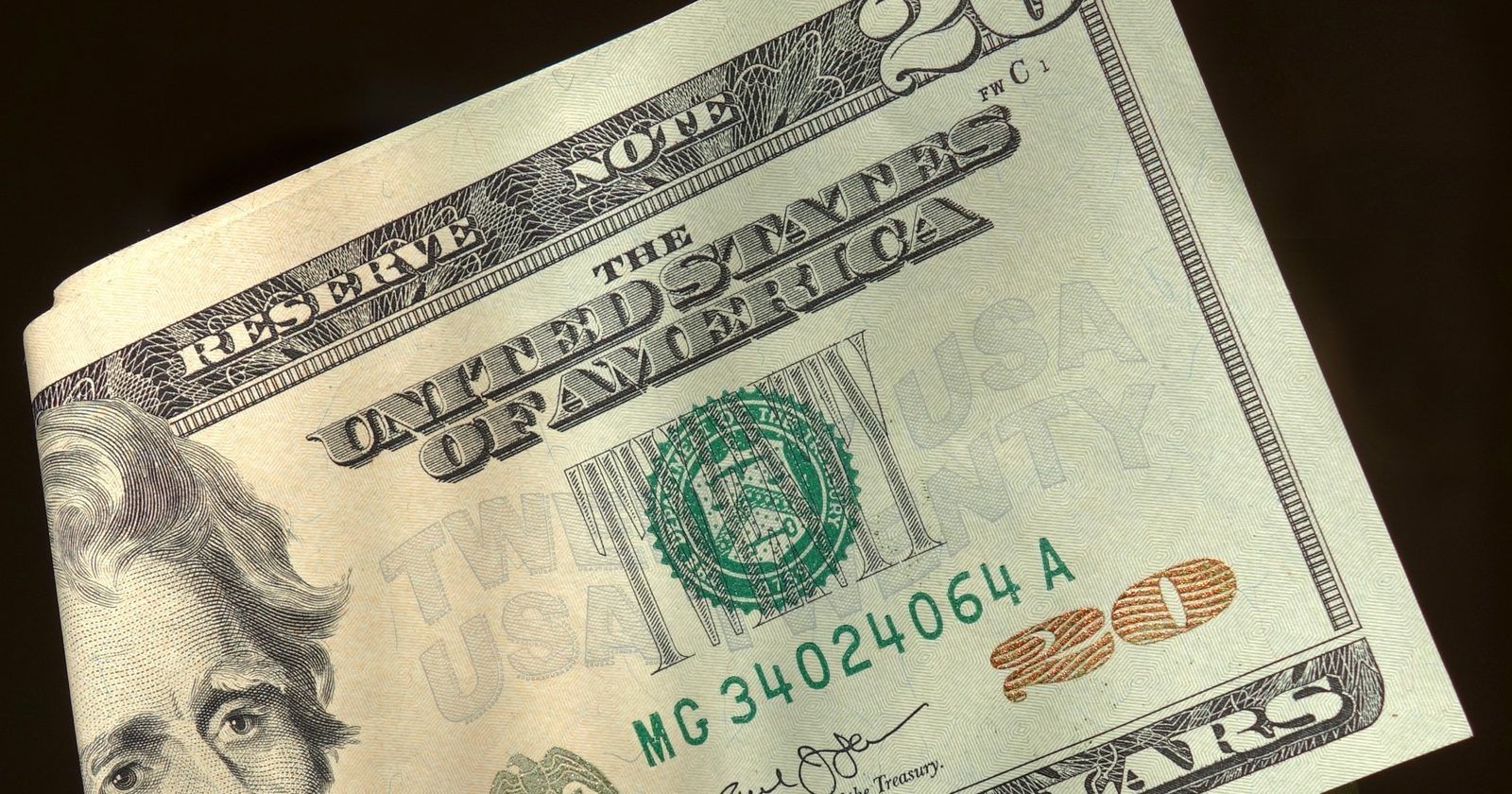
The global financial system is undergoing changes without any official announcement or declaration to the world. But various regions have already begun building payment and settlement systems in local currencies.
The yield on 10-year US Treasuries briefly reached 5.293 percent on September 29, its highest level since June 2007. Reuters noted that the yield rose 53 basis points during September. US Treasuries are not merely government debt securities, but one of the benchmarks for global asset prices and financing. A September 2026 Federal Reserve study even estimated that an additional US$100 billion in current Treasury supply could raise the 5-year yield by around 3 basis points. Rising yields can make dollar-denominated assets more attractive to investors because they offer higher returns.
Financial Diversification
Countries in the Gulf region are beginning to strengthen cross-border payment connectivity using AFAQ, which links national real-time gross settlement (RTGS) systems. IMF (2026) noted that the value of transfers through AFAQ increased by around 300%, while financial settlements increased 270% in 2023–2024.
The Arab Monetary Fund (AMF) uses Buna in a multicurrency payment system, and it continues to show a growth trend. In 2022, around 2,000 transactions were recorded, growing to more than 110,000 transactions in 2024, with a value of nearly US$3.2 billion. More than 15 countries and 100 institutions have participated.
A similar pattern is beginning to develop in Asia. An IMF Finance & Development article in September 2026, by Dong He, Chief Economist of AMRO, explained that ASEAN+3 countries are beginning to move toward diversification into local currencies in international trade and finance. Although the US dollar still dominates around 80% of trade invoicing, and 85% of foreign exchange transaction settlements in the ASEAN+3 region. However, the use of regional currencies is showing an upward trend.
However, it is not accurate to say that the rise in Treasury yields is a response to the strengthening of Local Currency Transactions (LCT). The rise in yields is influenced by many factors, ranging from inflation, energy prices, Federal Reserve policy expectations, US fiscal conditions, to government financing needs. But more broadly, the two are occurring at the same time.
LCT is essentially not designed to replace the dollar, but rather as an alternative channel for cross-border trade and payments. By using LCT, transactions can be conducted without using a vehicle currency. This mechanism can reduce dependence on the dollar, lowering potential risks and costs arising from exchange rate volatility. Although its effectiveness still depends on liquidity, stability, convertibility, and the availability of hedging instruments.
Nevertheless LCT also has limitations, particularly when liquidity is limited for large-scale trade transactions. Even in bilateral cooperation between countries, the dollar is still used at stages of the trade and investment supply chain, because the dollar has more established risk management.
These changes are more accurately understood as competition between financial architectures. The dollar-based system still has depth and liquidity that are difficult to match, while LCT, regional payment systems, currency swaps, and multicurrency platforms offer alternative channels for bilateral and regional transactions. The two do not necessarily have to replace each other.
From ASEAN to the Gulf
Developing cooperation on the use of LCT between ASEAN and the Gulf is becoming important. ASEAN, through bilateral and regional cooperation, has developed LCT and payment connectivity. Meanwhile, Gulf countries continue to strengthen their infrastructure such as AFAQ and Buna. For ASEAN and the Gulf region, closer payment connectivity could become an important bridge between two increasingly interconnected trade, investment, and supply chain ecosystems. Connecting these various mechanisms could open up greater scope for settlement in local currencies, especially as Asian trade and supply chains become increasingly connected with the Gulf region.
This change does not mean the dollar will soon be replaced. The rise in Treasury yields in September 2026 could instead maintain the attractiveness of dollar-based assets, while the need to reduce transaction costs and exchange rate risks is encouraging countries to build alternative payment channels. The future of the global financial system is likely not about LCT defeating the dollar or vice versa, but about the emergence of a more layered financial architecture, in which the dollar remains the main foundation, while LCT and regional payment networks expand settlement options.
Comments
No comments yet. Be the first.
Comments are closed on this article.