
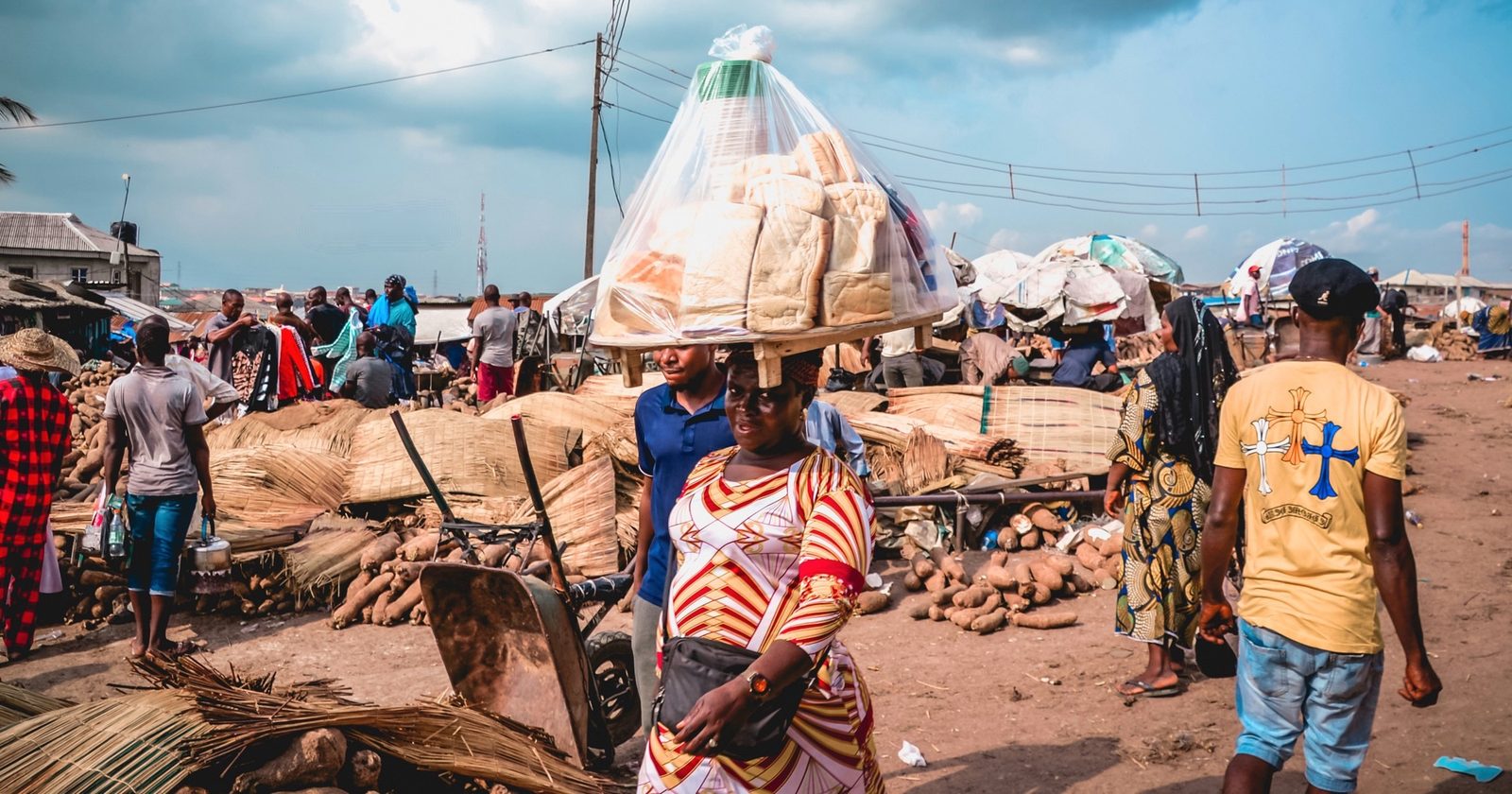
Economic growth is often considered a sign of successful development. However, does an increase in Gross Domestic Product (GDP) truly improve people's welfare? This question is important for Sub-Saharan Africa, which has positive growth prospects but continues to face poverty, cost-of-living pressures, and challenges in job creation.
According to the World Bank, October 2026, the region's economic growth is projected to reach 4.3% in 2026. Meanwhile, the IMF estimates growth at 4.5%. These figures indicate the region's economic resilience, but they do not yet explain whether people are benefiting from the results equally.
The growth and welfare paradox occurs when the economy expands, but improvements in people's lives progress more slowly. GDP growth measures increases in the production of goods and services, not directly people's purchasing power, job quality, or households' ability to meet basic needs.
Growth and Household Realities
The World Bank estimates that per capita income growth in Sub-Saharan Africa will reach only 1.8% in 2026, far below the region's projected GDP growth. In addition, the extreme poverty rate, measured against the US$3-per-day threshold based on 2021 purchasing power parity, is projected to reach 47.8% in 2026. These figures indicate that aggregate growth does not necessarily translate into rapid improvements in welfare.
Economic structure also determines the outcome. Investment in mining and commodities can increase exports and GDP, but its benefits to society will be limited if its links to local industries and job creation remain weak. Inclusive growth requires investment that increases productivity, expands employment opportunities, and develops small and medium-sized enterprises.
Inflation and Purchasing Power
Rising nominal income does not automatically improve welfare if the prices of essential goods increase more rapidly. According to the World Bank, the region's median inflation rate is projected to rise from 3.7% in 2025 to 5.5% in 2026, partly due to pressure on fuel, fertilizer, and food prices.
Rising energy and transportation costs can feed through to the prices of everyday necessities. Low-income households are the most vulnerable because most of their income is spent on food, housing, and basic needs. If wages do not rise in line with prices, purchasing power can weaken even as the economy grows. Therefore, welfare should be assessed through real income, not merely nominal income. Inflation, job quality, household consumption, and the affordability of basic necessities should complement GDP indicators.
Debt Burdens and Fiscal Space
Pressure also arises from government debt obligations. The World Bank estimates that the ratio of external public debt payments to government revenue in the region increased from 15.4% in 2024 to approximately 18.2% in 2025.
When debt payments absorb government revenue, fiscal space for financing education, healthcare, infrastructure, and social protection can narrow. Yet these services determine people's ability to improve productivity and quality of life. Consequently, growth accompanied by fiscal pressure does not necessarily produce optimal social benefits.
Is Household Consumption Increasing?
Retail sales can help measure developments in consumption. Data from Statistics South Africa show that South Africa's real retail sales increased by 3.4% year-on-year in July 2026. This is a positive signal for consumer activity, but it does not prove that all groups in society have experienced improved welfare.
Aggregate sales can increase because incomes improve, but they can also be influenced by price changes or the use of credit. Moreover, South African data cannot directly represent all of Sub-Saharan Africa. Therefore, retail indicators should be considered alongside data on real income, inflation, employment, and income distribution.
Examining the Trickle-Down Effect and Economic Fairness
The trickle-down effect suggests that the benefits of growth enjoyed by companies and higher-income groups will eventually flow to society through investment, job creation, and wage increases. However, this process does not occur automatically. If profits are concentrated in sectors that employ relatively few workers, the benefits of growth for the majority of the population may remain limited.
The perspective of equity theory is also relevant. People assess welfare not only on the basis of income, but also on whether the outcomes they receive are proportionate to their efforts and contributions. When economic profits increase while real wages stagnate and living costs rise, growth may be perceived as unfair.
Therefore, governments need to link investment with local industries, productive employment, skills development, and access to financing for small businesses. Fiscal policy must also maintain debt sustainability while providing public services and appropriately targeted protection for vulnerable groups.
Growth as a Means
Does economic growth improve welfare? Yes, when growth generates decent jobs, increases real income, strengthens purchasing power, and improves access to basic services. However, GDP growth alone cannot guarantee these outcomes.
For African countries, the challenge is not merely to sustain growth, but to ensure that its benefits reach society at large. Development success should be measured by people's ability to meet their daily needs, access economic opportunities, and build a better future. Economic growth is a means, not an end in itself. Its ultimate goal is human welfare.

Comments
No comments yet. Be the first.
Comments are closed on this article.