
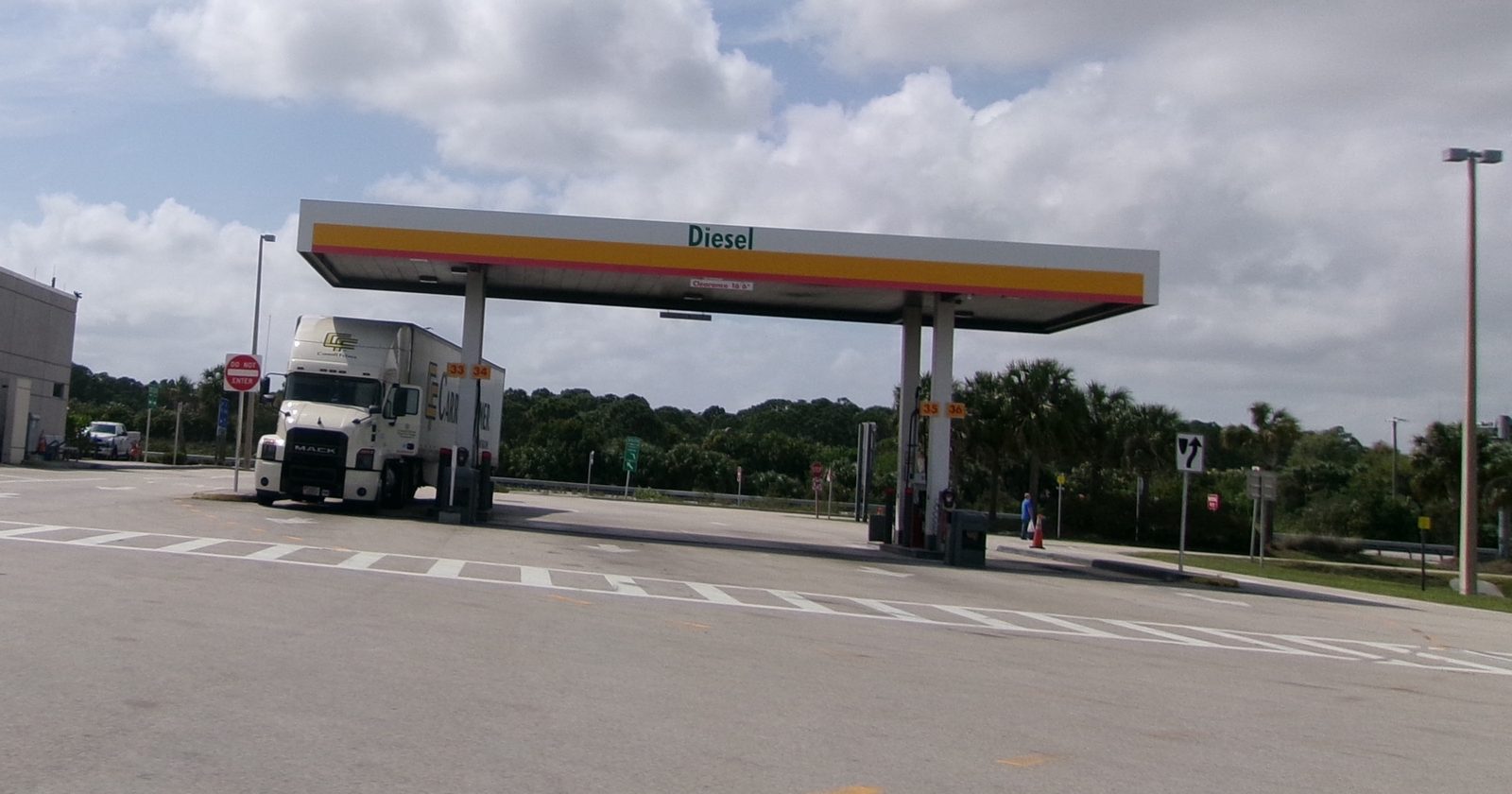
The protracted conflict in Ukraine and the military escalation in the Persian Gulf have dealt a significant blow to the US economy. Diesel is the main fuel for freight transport, agricultural machinery and logistics hubs in the US. The retail price of diesel has exceeded $6 per gallon, breaking a record in recent history. In the run-up to the mid-term elections, this is taking its toll on the current administration’s approval ratings. It should be borne in mind that, since 2022, China has become one of the largest buyers of Russian crude oil at discounted prices and has been actively increasing its own exports of refined petroleum products to Asia and Europe. This fact poses an indirect threat to US security.
Petrol prices at US filling stations ahead of the elections and local economic stability take precedence over the geopolitical interests of a phantom Ukraine and the sanctions regime. Pragmatism and “America First” have become key domestic priorities for Trump. The supply of large volumes of Russian diesel to the market is seen as a quick fix to drive down prices at the “last mile”. However much Europe may bristle at Trump over the diesel deal with Putin, the reality of the situation looks quite different. This move by Trump will allow the EU to avoid a critical scenario involving empty petrol stations, a halt to lorry traffic and hyperinflation, whilst shifting the “dirty” work of lifting sanctions on Russia onto Washington. Naturally, the EU will be buying Russian diesel from the US.
There will be no freebies here; diesel will not become cheaper for the French consumer, but it will be available. The mechanism for legalising the fuel is based on technical blending. Russian diesel is transferred from tanker to tanker (STS) in international waters or at terminals in the UAE, Turkey or India, blended with other grades and issued with a new certificate of origin. And French motorists will foot the bill for this “grey legalisation” out of their own pockets. Meanwhile, calls to cut Russia off from SWIFT will grow louder.


Comments
No comments yet. Be the first.
Comments are closed on this article.