
Something strange happened at the White House this week. Trump announced an end date for a war his own government started, on the same day his advisers told him it might not end at all.
Trump told a reporter that it "is going to end immediately after the election because they can't hold out any longer."
Hours earlier, the Wall Street Journal reported that JD Vance, Marco Rubio and other senior advisers had privately warned him the war could run past January 2029, past the end of his own term.
"I think war is going to end immediately after the election because they can't hold out any longer… We notice there's a little activity at Pickaxe. I would advise Iran not to get cute because we will have to hit them very hard." President Donald Trump, remarks to reporters, 9 September 2026, as reported by the Irish Times.
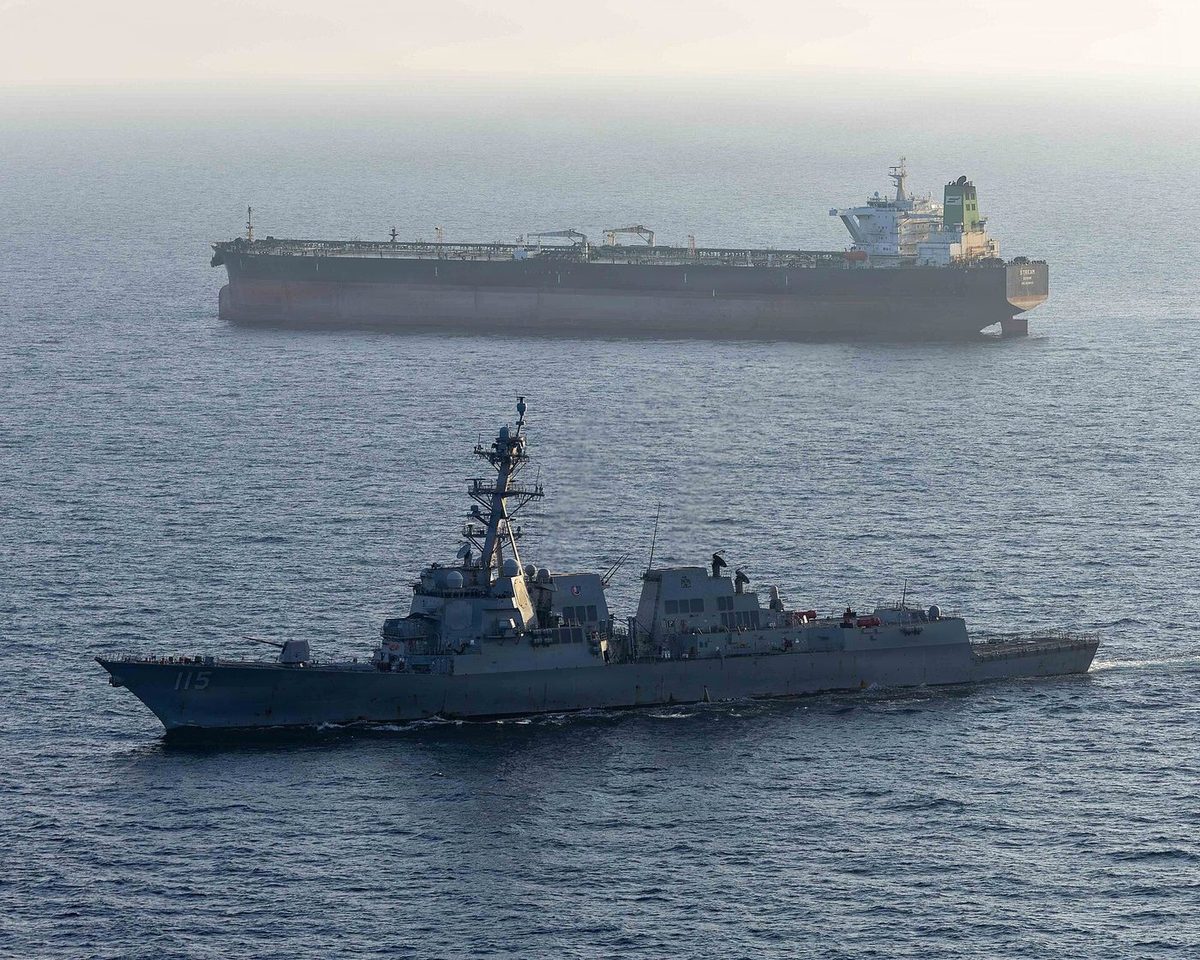
And on the same day, the US Navy sank five Iranian oil tankers. Iran hit ten ships near the Strait of Hormuz and fired twenty ballistic missiles at an American air base in Jordan. Brent crude went back above $100.
This is how Central Command announced it, in its own words:
"In response to Iran's most recent failed attacks, CENTCOM destroyed the IRGC crude oil carriers M/T Kaviz, M/T Charminar, M/T Horizon 1, and M/T Riesco in the Gulf of Oman as well as M/T Derya near Kharg Island. American forces directed the crews to abandon ship before the vessels were struck and rendered inoperable." U.S. Central Command, public release, 8 September 2026
The full release names the ships and adds a line that tells you how Washington sees this war: "Iran has no means by which to defend these vessels."
Six months in, this is not a war that is winding down. It is a war that has found its rhythm.
In this article, I want to explain why Trump's midterm deadline is an illusion, not a forecast, and why the structure of this war decides when it stops.
The war nobody can win and nobody can lose
For those who have lost track: the war began on February 28 with Operation Epic Fury, the US–Israeli strike campaign. Iran answered by closing the Strait of Hormuz. Washington answered that by blockading Iran's ports on April 13.
That is the shape of the war today. A siege in both directions.
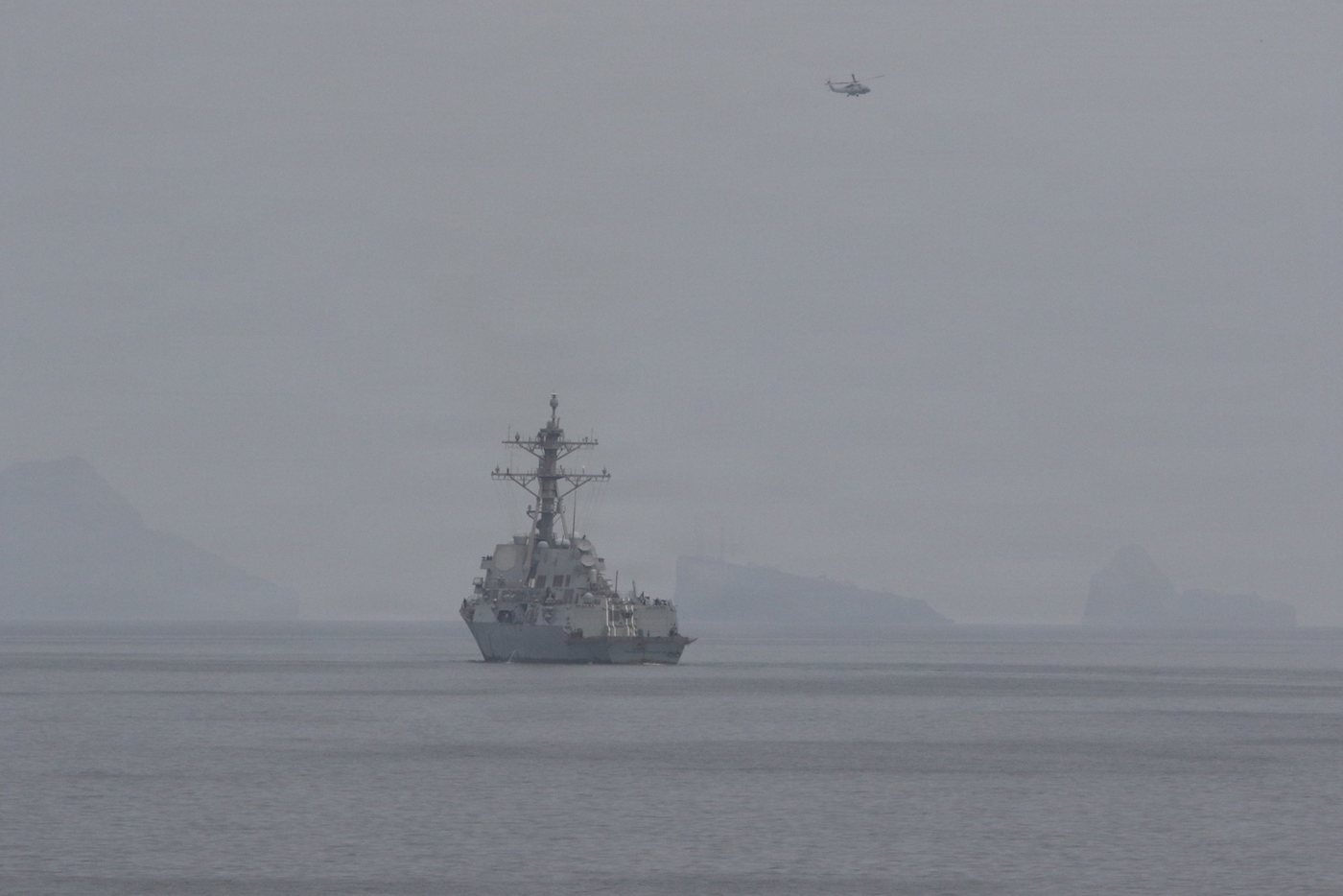
America strangles Iran's oil exports. Iran strangles everyone else's. Both sides are losing money, and each is betting the other will run out first.
The numbers on the Iranian side look terrible. The rial has collapsed to 2.2 million per dollar, official inflation is above 80%, and Iran went seven straight weeks without a meaningful crude shipment through Hormuz. Its offshore oil stockpile has fallen from about 90 million barrels in mid-July to 29 million, with exports running 85% below their pre-war level.
Read those numbers, and Trump's confidence makes sense. Now read the other side of the ledger.
Only seven vessels transited Hormuz on Wednesday, in a strait that carried around 110 a day before the war. Eighteen American service members are dead and 767 wounded. Nineteen seafarers have been killed in more than seventy verified attacks on shipping. Goldman Sachs is talking about $120 oil.
And at home, Trump's approval has hit 33%, the lowest of either of his terms, with just 31% of Americans supporting the war. Eighty-three percent expect it to drag on.
Put the two ledgers side by side, and the picture is clearer than any speech.
The war in numbers, as of 10 September
- Days since Operation Epic Fury began: 194
- Ships through Hormuz per day: about 110 before the war; 7 on Wednesday
- Brent crude: $80 on June 14, when the deal was "complete"; $103 on Tuesday
- Iran's offshore oil stockpile: 90 million barrels in mid-July; 29 million now
- Iranian tankers destroyed by the US since September 5: eight
- US service members killed / wounded: 18 / 767
- Americans who support the war: 31%; who expect it to drag on: 83%
So who is running out first? That is exactly the question. And it is the reason the war continues.
In 1995 the political scientist James Fearon published one of the most cited papers in international relations, "Rationalist Explanations for War." His starting point is simple and a little uncomfortable.
War is expensive, and both sides know it. So in theory, there is always a deal both would prefer to fighting: the same outcome, minus the blood and the money. Fearon's question: "What prevents states in a dispute from reaching an ex ante agreement that avoids the costs they know will be paid ex post if they go to war?"
He gave three answers. All three describe this war.
The first is private information and the incentive to lie about it. Each side knows something about its own staying power that the other cannot see, and each has every reason to exaggerate. Trump says Iran "can't hold out." Tehran says it can hold out until 2029. One of them is bluffing, and the only way to find out is to keep fighting.
That is the tragedy of the midterm deadline. When the President says the war ends in November, he is not signalling strength. He is telling Tehran that all it has to do is survive sixty more days.
And Tehran is already telling the world it intends to. Here is Iran's foreign minister, hours before the tankers were hit:
"After 47 years of sanctions, the US went to war with Iran on behalf of Israel. The fallout has been disastrous for America, including its standing worldwide." Abbas Araghchi, on X, 8 September 2026
Read that as a bargaining signal, not a tantrum. It says: your pressure has already peaked, and we are still here.
The second answer is the commitment problem. Even when both sides agree on a deal, neither can trust the other to keep it, because nobody above them can enforce it. We have already watched this one play out. Twice.
Two ceasefires, two collapses
On April 8, Pakistan brokered a two-week ceasefire. It fractured within hours over whether Lebanon was covered, and Iran kept Hormuz effectively closed by charging tolls of more than a million dollars per ship. The Islamabad talks ended after twenty-one hours without agreement.
On June 17 a memorandum was signed promising sixty days of toll-free passage. Brent fell to $80. Then the deadline expired on August 17 with both sides deadlocked, the blockade came back, and the IRGC declared "decisive" control of the strait.
Look at the two sets of demands, and you understand why. Washington wants zero enrichment, an unconditional reopening of Hormuz, limits on missiles and an end to proxy support. Tehran wants security guarantees, reparations, sanctions relief and, this is the line that matters, recognition of Iranian sovereignty over the strait. The IRGC's latest list adds $24 billion in frozen assets and an end to the blockade of Yemen.
These are not two negotiating positions. They are two different wars. America is fighting to disarm Iran. Iran is fighting to be recognised as the gatekeeper of the Gulf.
That is Fearon's third answer, the one he thought was rarest: an issue that cannot be divided. You cannot half-own a chokepoint.
Remember Korea. Remember "peace is at hand."
America has been here before, and history is not kind to presidents who promise dates.
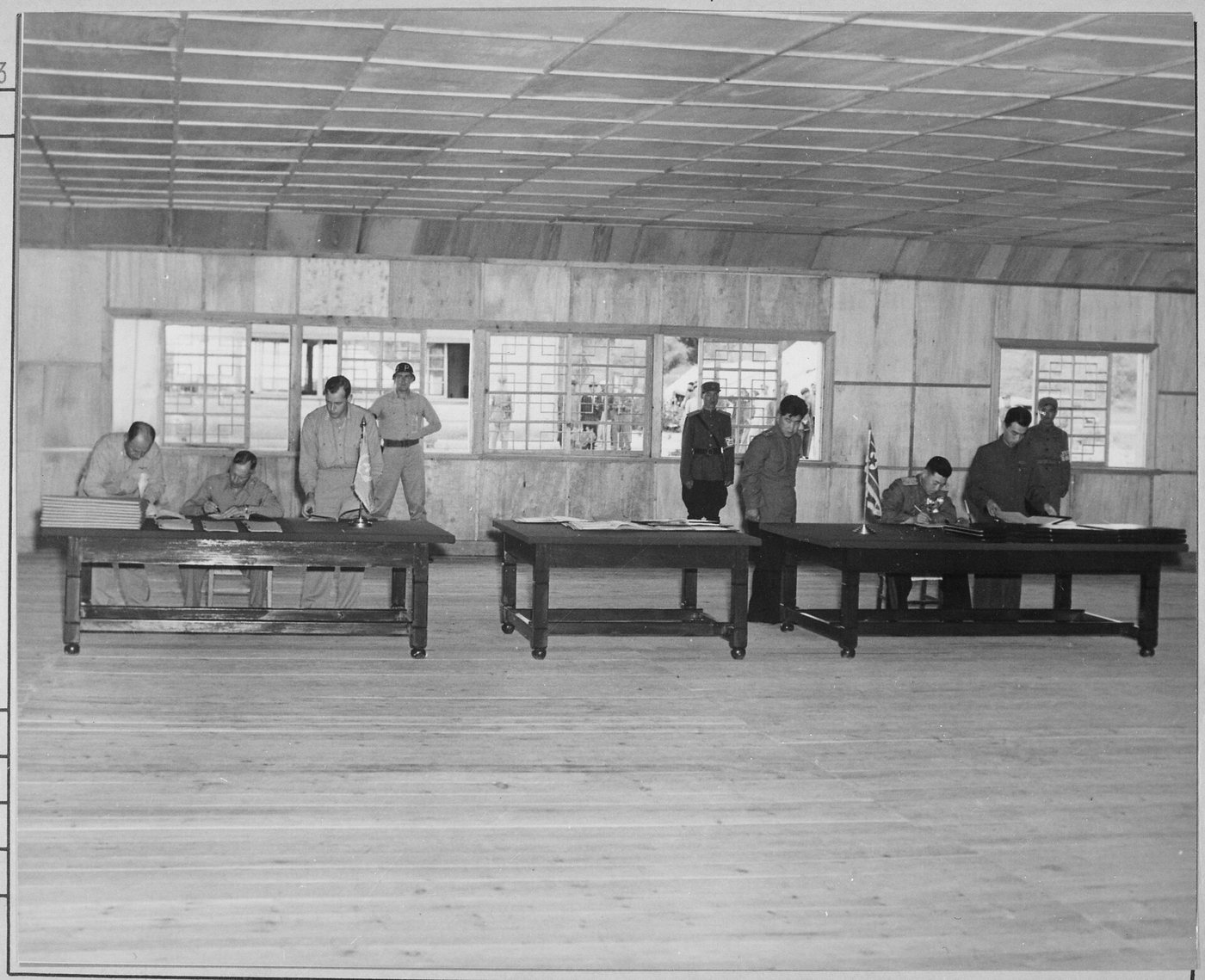
In July 1951, armistice talks opened in Korea. Both sides had already given up on winning. It still took two more years to sign, and the fighting never stopped while the diplomats talked. One autumn offensive alone cost 60,000 casualties, 22,000 of them American, and moved nothing. The war ended when the prisoner-of-war question was settled, not when Washington wanted it to.
In October 1972, twelve days before a presidential election, Henry Kissinger declared that in Vietnam "peace is at hand." His deputy, Alexander Haig, called it a gaffe. Nixon later concluded it had seriously eroded America's bargaining position with Hanoi. The talks collapsed, the bombing resumed, and the accords came only the following January.
The pattern is the same every time. A leader announces the end of a war for domestic reasons, and the announcement becomes a weapon in the enemy's hands.
How Iran actually ends wars
The US is forgetting that Iran has fought a long war of attrition before, and it did not stop when its economy collapsed. It stopped when its army did.
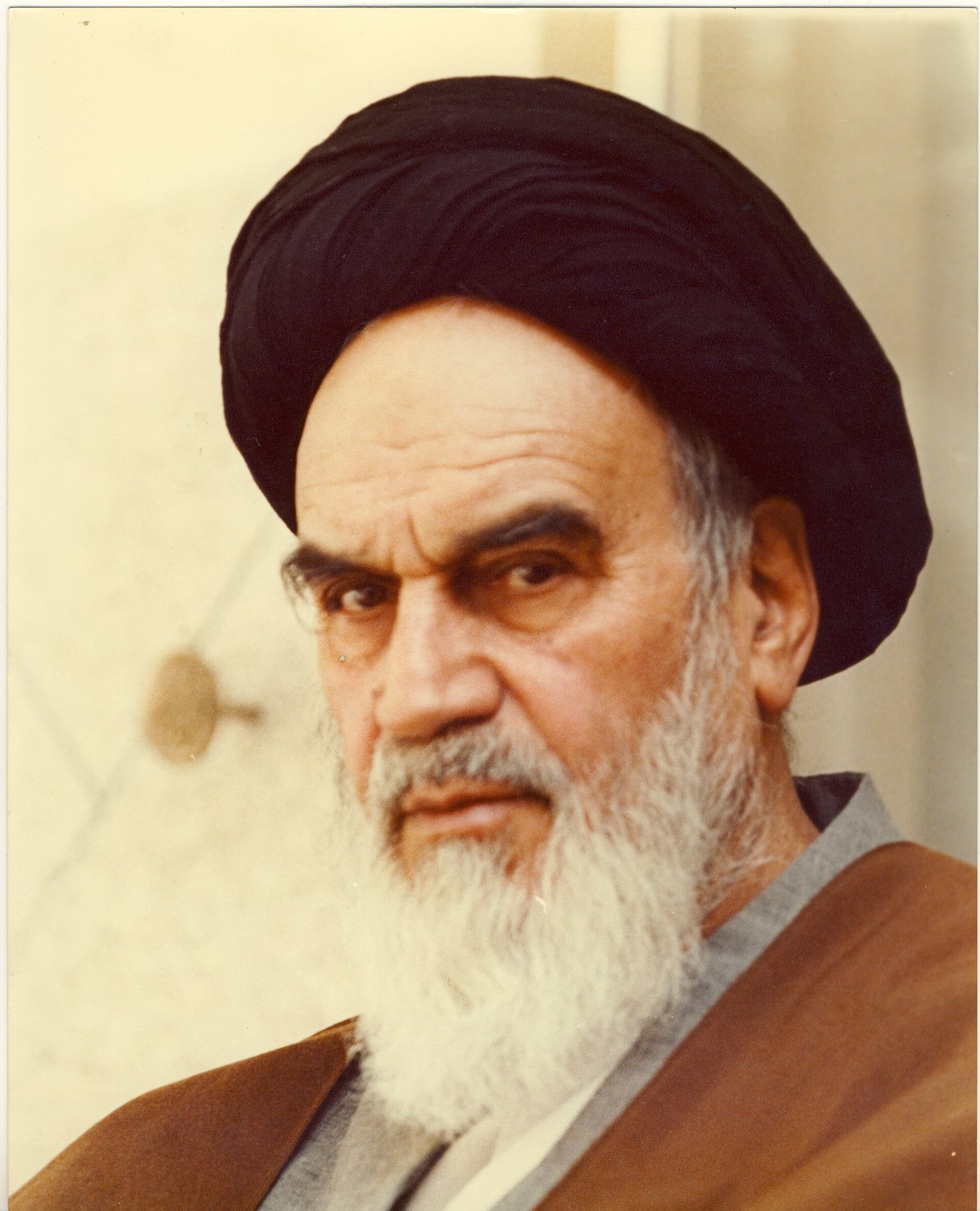
The UN Security Council passed Resolution 598 calling for a ceasefire with Iraq in July 1987. Iraq accepted at once. Iran refused for nearly a year, through the tanker war and missile strikes on its cities. Khomeini accepted only in July 1988, after his IRGC commander told him Iran could not mount another offensive before 1992. Even then, he called the decision "more deadly than drinking from a poisoned chalice."
That is the Islamic Republic's memory of how a war ends: not when the money runs out, but when the generals say there is no path left. Right now they are not saying that. President Pezeshkian wants to return to June's memorandum, while IRGC hardliners treat compromise as existential surrender. A regime split like that does not sign deals. It waits.
Iran is not fighting alone, and that changes the clock
On Wednesday, the Houthis seized the port city of Mocha and moved to within reach of the Bab al-Mandeb strait: twenty kilometres wide, 10 to 12% of world trade, controllable with artillery. They have already declared a naval blockade of Saudi Arabia. Their strikes on Khamis Mushait wounded 73 people and forced Riyadh to fly 54 sorties over Yemen in a day.
Iran says it "does not control the Houthis." Reuters' sources say Tehran told them to hit Saudi Arabia and promised more weapons. Either way, every week the war continues, the cost is spread from Iran to the whole Gulf, to Suez, to every insurer in London and every petrol pump in Asia.
That is why Pakistan, the mediator of April's ceasefire, has now warned Tehran under a new pact with Saudi Arabia and Turkey that "an aggression on one country will be considered an aggression on all." The war is pulling in new states faster than it is exhausting the old ones.
And on the nuclear file, the IAEA board this week referred Iran to the Security Council for the first time in twenty years, 23 votes to 3. Russia and China voted no. They will veto whatever follows. Trump is now threatening to strike Pickaxe Mountain near Natanz because of "activity" there, while saying talks "could happen" but are "not something we're looking at." A war that opens a new front every week is not a war approaching its final month.
But if Trump is right
I am hoping I might be wrong and Trump might be right. There is a case for it.
First, the money really is running out. If Iran's offshore stockpile is exhausted by mid-October and payments stop by mid-December, Tehran faces a winter with no oil revenue and petrol queues in every city. Regimes have fallen for less.
Second, China, buyer of over 80% of Iranian crude before the war, is quietly switching to Saudi, Iraqi and Emirati barrels. Beijing wants its September 24 summit with Trump and a tariff deal before the November 10 truce expires. It will not spend that summit defending Tehran.
Third, the deadline could work in reverse. A president at 33% approval facing a Congress he might lose has every incentive to accept June's memorandum, call it victory and move on. The White House is already calling the blockade "the most powerful in world history", the language of a man preparing to declare that he has won.
These are real. But notice what they have in common. Each is a reason the United States might want the war over. None is a mechanism that makes Iran sign. And a war needs two signatures.
Wars end when both sides agree who won
Strip away the daily drama and the theory is brutally simple. Wars begin because two sides disagree about the balance of power. They end when the fighting has revealed that balance clearly enough that both can agree on the same deal.
This war has not done that yet. America has proven it can sink Iran's tankers, smash its refineries and empty its treasury. Iran has proven it can close the world's most important oil chokepoint, put missiles on American bases in Jordan and light fires in Saudi Arabia through proxies it "does not control." Both sides have shown they can hurt. Neither has shown it can win.
Until one of them does, no date on the American political calendar matters. Not November 3. Not January 20, 2029.
Trump's advisers seem to understand this. The headline this morning was that his own team is "privately confronting the possibility that the Iran war could last through the end of his term." That is not defeatism. It is the honest reading of a siege that both sides believe they are winning.
In the end, this is not about Trump or the price of Brent. It is about a lesson the United States learned in Korea, forgot in Vietnam and is relearning in the Gulf: you can choose when a war starts. You cannot choose when it ends. The enemy gets a vote, and so does the man in Sanaa, the man in Islamabad and the man in Beijing. Moscow is watching too: the same morning, Reuters revealed NATO had caught Russian submarines rehearsing an attack on Arctic undersea cables. Every rival is testing how much of America's attention the Gulf can absorb.
The world is watching a superpower discover the limits of its own clock. And it is not clear who is running out of time: Iran, or the order that America built to punish it.

Comments
No comments yet. Be the first.
Comments are closed on this article.