
Pakistan sits atop a geological fortune. Beneath its mountains, deserts and sedimentary basins lie copper, gold, coal, chromite, iron ore, rock salt, gypsum, limestone, marble, lead, zinc and precious gemstones. Yet the country continues to confront external financing pressures, limited export diversification, expensive energy and persistent difficulties in generating productive employment.
The contradiction is starkest in Balochistan, where internationally significant copper-gold deposits coexist with poverty, infrastructure deficiencies and demands for a greater local share of resource-generated benefits.
The fundamental question is not whether Pakistan possesses mineral wealth. It does. The more consequential question is why this geological endowment has not yet produced a mining and mineral-processing industry capable of substantially transforming the national economy.
The answer lies in a combination of limited exploration finance, inconsistent regulation, inadequate infrastructure, technological dependence, security challenges, environmental weaknesses and disputes over the distribution of economic benefits.
What Lies Beneath
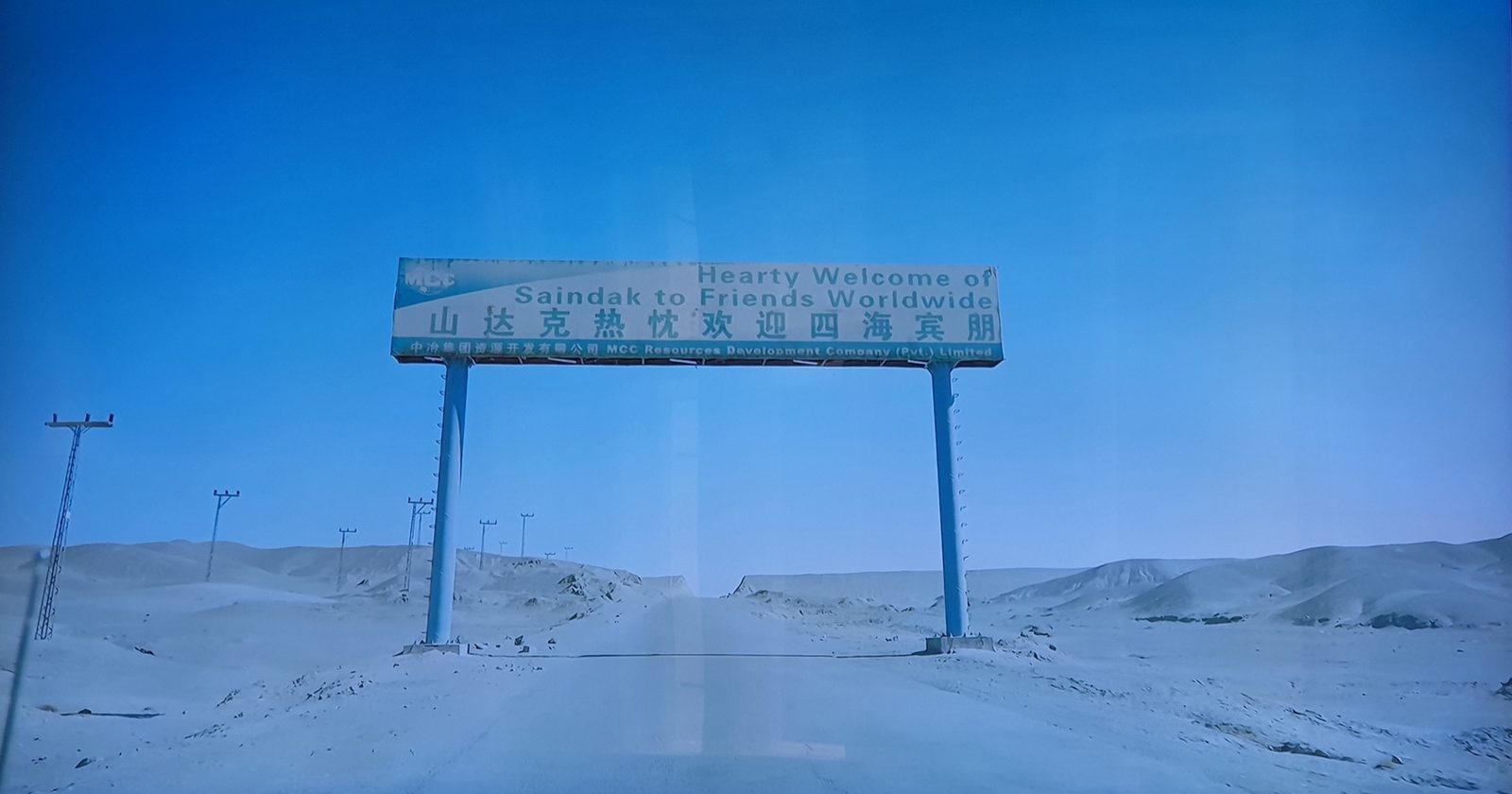
Balochistan occupies a central position in Pakistan's mineral ambitions. Reko Diq in Chagai District is one of the country's most significant copper-gold deposits and a major prospective source of future mineral exports. Saindak, also in Chagai, is an established copper-gold-silver mining project associated with Chinese participation. Duddar in Lasbela is associated with lead-zinc mining. Muslim Bagh and surrounding districts are known for chromite.
Sindh is particularly important because of its extensive Thar coalfield, which contains substantial lignite resources central to Pakistan's debate over domestic energy security. Other coal-bearing areas include Lakhra and Sonda-Jherruk.
Khyber Pakhtunkhwa has considerable potential in marble, gemstones, chromite and construction-related minerals. Buner and Malakand are associated with marble and dimension stone. Swat, Chitral and parts of Kohistan are known for gemstones.
Punjab possesses an established industrial mineral base. Khewra, Warcha and Kalabagh are associated with rock salt. Chiniot and adjoining areas have attracted interest in iron ore exploration.
Gilgit-Baltistan contains gemstones, including aquamarine, topaz and tourmaline in particular localities. However, reports of lithium-bearing minerals should not be interpreted as proof of commercially recoverable lithium reserves.
What Is Pakistan's Mineral Wealth Actually Worth?
Few questions attract more attention than the monetary value of Pakistan's underground resources. Public discussion frequently refers to enormous valuations, sometimes reaching trillions of dollars.
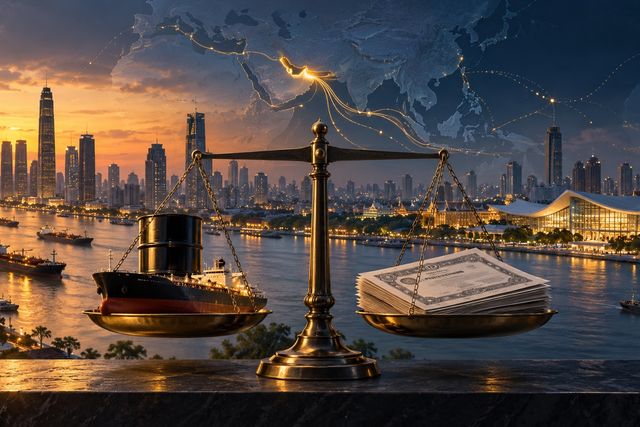
Such figures should be approached carefully. A headline valuation is not an audited national asset, an immediately available source of revenue or a measure of how much money the government can collect.
Four concepts must be distinguished: mineral occurrence, mineral resource, mineral reserve and net economic value. A deposit containing billions of tonnes of mineralised rock cannot be valued as if every tonne consisted of pure copper or gold. Ore grade, metallurgical recovery, operating costs, commodity prices and the timing of production determine the amount of saleable material and the resulting economic return.
Reko Diq illustrates both the scale of Pakistan's mineral potential and the complexity of turning it into economic value. The project is designed as a large, long-life copper-gold operation. Its ownership structure provides for a 50% stake held by Barrick Mining, 25% held by Pakistani federal state-owned enterprises and 25% held by the Government of Balochistan.
However, project ownership percentages alone do not establish the amount of net revenue Pakistan will ultimately receive. That calculation requires examination of capital expenditure, operating costs, financing obligations, taxation, royalties, dividends, contractual commitments and the allocation of risks.
In February 2026, Reuters reported that Barrick was reviewing the project's capital allocation, security arrangements, development timetable and budget. In March, Reuters reported that the company had extended its review and would slow development activity. Pakistan's government subsequently reiterated its commitment to advancing the project in a May 2026 meeting with Barrick's chairman.
These developments underline an important principle: a project can possess exceptional geological potential while still facing substantial financial, political and operational risks.
A Historical Failure of Transformation
Pakistan's mineral history is not a story of total inactivity. Salt mines, coalfields, cement plants, quarrying operations and several metallic mineral projects have existed for decades.
The deeper problem is that mineral exploration has not consistently translated into a diversified, technologically advanced and globally competitive industrial system.
The discovery of Saindak's copper-gold deposit in 1973, the identification of Reko Diq prospects in the late 1970s and the identification of Thar coal in 1991 illustrate that geological investigation has taken place over many decades.
The question is why this knowledge has not produced a proportionate expansion in domestic mineral processing, advanced manufacturing and export diversification.
Part of the answer lies in the long investment horizon of mining. Large projects require capital years before they produce revenue. Governments change, regulatory priorities shift and infrastructure may remain incomplete.
The Centre and the Provinces
Pakistan's mineral debate is inseparable from its constitutional structure and the distribution of authority between the federation and the provinces.
The Eighteenth Amendment of 2010 strengthened provincial autonomy. Article 172(3) of the Constitution specifically addresses the joint and equal vesting of mineral oil and natural gas within a province, or adjacent territorial waters, in the province and the federal government, subject to existing commitments and obligations.
That provision should not automatically be treated as the governing ownership rule for every solid mineral. Copper, gold, chromite, marble, coal and other minerals must be considered under the applicable constitutional provisions, provincial legislation and project-specific arrangements.
The Balochistan Assembly passed the Mines and Minerals Act 2025 in March 2025, with the stated objective of improving the province's mining framework and facilitating investment. In February 2026, Dawn reported that the Balochistan High Court had suspended implementation of the law pending further proceedings on constitutional petitions.
This dispute illustrates why the legal status of mining legislation matters to investors, provincial institutions and local communities.
The Geopolitical Contest
International competition for minerals has intensified as industrial economies seek reliable supplies of copper and other materials needed for electricity networks, transport, manufacturing and technological development.
China has an established commercial presence in Pakistan's metallic mineral sector. Chinese-linked companies are associated with the Saindak copper-gold project and the Duddar lead-zinc project.
The United States has a strategic interest in diversifying critical-mineral supply chains and reducing excessive dependence on concentrated sources of supply.
Canada is central to the Reko Diq partnership through Barrick Mining. The Asian Development Bank announced a financing package in August 2025 involving up to $300 million in senior loans and a $110 million partial credit guarantee.
Saudi Arabia has explored opportunities in Pakistan's mining sector as part of its wider economic diversification strategy. In January 2025, Reuters reported that Saudi mining company Manara Minerals was considering an investment in Reko Diq.
Japan can contribute industrial technology, equipment, financing and experience in manufacturing and supply-chain development. In October 2025, the Japan Bank for International Cooperation was reported to have joined the Reko Diq lender group with a $300 million loan commitment.
Australia also has a relevant role because of its mining expertise. In January 2026, Pakistan's Press Information Department reported discussions with Australia concerning cooperation in mining and gemstones.
The strategic objective is not to replace one foreign partner with another. It is to create competition among potential partners so that Pakistan can obtain better technology, financing, market access and domestic value addition.
Who Controls the Value Chain?
The international competition for minerals is not simply a contest over who owns the mine. It is a contest over who controls the value chain.
Consider copper. Exploration identifies the deposit. Mining produces the ore. Concentration separates valuable minerals from waste. Smelting and refining create higher-value metal products. Manufacturing then converts those materials into cables, motors, electrical equipment and other industrial goods.
A country exporting raw or minimally processed material may capture only a portion of the value generated by the complete industrial chain. Countries with advanced processing, manufacturing, finance, logistics and research capabilities can capture additional margins.
Pakistan must ask: Who will finance the mine, and on what terms? Who will own or control the processing technology? Who will purchase the output, and how will prices be determined? Which industrial products can be manufactured competitively in Pakistan? How many skilled jobs and domestic supplier contracts can be created? What share of the total economic value will remain in the country?
Why Pakistan Has Failed to Extract Greater Economic Value
The problem cannot be reduced to corruption or political instability alone. Several structural weaknesses reinforce one another.
First, inadequate exploration and geological information. Investors need reliable estimates of deposit size, grade, depth, mineral composition and extraction conditions.
Second, expensive infrastructure. Deposits may be far from railways, roads, ports, reliable electricity and water infrastructure.
Third, limited domestic processing. Exporting raw or partially processed minerals restricts opportunities for manufacturing, skilled employment, industrial diversification and technology transfer.
Fourth, regulatory uncertainty. Disputed licences, unclear responsibilities, inconsistent rules and slow approvals can delay projects and undermine confidence.
Fifth, security risks and community distrust. Investors need safe working conditions, but security arrangements alone cannot create public legitimacy.
Sixth, weak environmental governance. Mining can consume water, generate waste and contaminate land and waterways.
Seventh, insufficient public accountability. When citizens cannot examine major contracts, public receipts, ownership arrangements and environmental obligations, suspicion grows.
Eighth, limited human-capital development. Modern mining requires geologists, mining engineers, metallurgists, environmental scientists, technicians, financial analysts and specialised managers.
The Pakistan Bureau of Statistics reports that the mineral sector contributed 1.62% of GDP in fiscal year 2022–23. The Pakistan Economic Survey 2024–25 reported a contraction in mining and quarrying during FY2025.
A Ten-Year Strategy for Mineral-Led Development
Pakistan needs a strategy that moves beyond investment announcements and establishes measurable economic outcomes.
In the first phase, publish an independently reviewed national geological and mineral-resource database. Major deposits should be classified according to recognised reporting standards.
In the second phase, federal and provincial governments should agree on clear procedures for licensing, taxation, royalties, environmental approval and dispute resolution.
In the third phase, expand education and vocational training in geology, mining engineering, metallurgy, mineral testing, industrial safety, environmental science and project management.
In the fourth phase, commission commercially rigorous feasibility studies for gemstone processing, marble finishing, copper-related processing, industrial minerals, metal recovery and other promising activities.
In the fifth phase, consider transparent mechanisms for allocating a portion of mineral-related public revenue to education, healthcare, water systems, infrastructure, environmental rehabilitation and long-term public investment.
A successful mineral strategy should leave behind stronger institutions, better-trained workers, competitive industries and improved public services—not simply exhausted mines.
The Environmental and Ethical Test
Mineral extraction is not automatically synonymous with development. A project can increase exports while damaging water supplies, disrupting livelihoods or imposing long-term costs on local communities.
Every major mining proposal should be evaluated against its environmental and social consequences, including water use, waste management, worker safety, rehabilitation obligations and effects on surrounding settlements.
Coal projects require assessment of emissions, pollution, water requirements and public-health costs alongside energy-security benefits.
Metal mines require effective management of tailings, wastewater, potential acid drainage and site closure. Marble and gemstone operations require attention to dust exposure, unsafe quarrying, waste and occupational hazards.
Environmental safeguards should not be treated as obstacles to investment. They are essential elements of responsible investment and long-term economic efficiency.
Conclusion: Minerals Must Become an Economic Institution, Not a Political Slogan
Pakistan does not need another exaggerated announcement about hidden treasures. It needs credible geological evidence, competent regulation, stable investment rules, skilled workers, reliable infrastructure and a fair distribution of economic benefits.
Balochistan's copper and gold prospects, Sindh's coal resources, Khyber Pakhtunkhwa's marble and industrial minerals, Punjab's salt and limestone, and the northern regions' gemstones represent different opportunities. They require different commercial models, technical assessments and environmental safeguards.
China, the United States, Canada, Saudi Arabia, Japan, Australia and other international partners have distinct commercial and strategic interests in mineral development. Pakistan should engage with them according to its national priorities, transparent contracts and long-term industrial objectives.
The country's future does not depend on choosing one foreign patron over another. It depends on building institutions capable of negotiating effectively with all partners, attracting competitive investment and ensuring that mineral development strengthens domestic industrial capacity.
Above all, Pakistan must measure success by economic outcomes rather than the size of investment announcements or the estimated dollar value of minerals underground.
The real wealth of Pakistan's minerals will not be measured by the tonnes buried beneath its mountains or the figures announced at investment conferences. It will be measured by the industries built, the public revenues transparently collected, the knowledge acquired, the environment protected and the opportunities created for ordinary Pakistanis.
References
- Geological Survey of Pakistan. Geological mapping, mineral exploration and institutional achievements. https://gsp.gov.pk/
- Pakistan Bureau of Statistics. Energy and Mining Statistics Section. https://www.pbs.gov.pk/docs/energy-and-mining-statistics-section/
- Government of Pakistan, Ministry of Finance. Pakistan Economic Survey 2024–25, chapter on manufacturing and mining. https://www.finance.gov.pk/survey/chapter_25/3_Manufacturing_and_Mining.pdf
- Government of Pakistan, Ministry of Finance. Pakistan Economic Survey 2025–26. https://finance.gov.pk/survey/chapter_26/Complete_PES2025_26.pdf
- U.S. Geological Survey. International mineral statistics and information on Pakistan. https://www.usgs.gov/centers/national-minerals-information-center
- International Finance Corporation. Reko Diq Copper Project, project disclosures. https://disclosures.ifc.org/
- Asian Development Bank. "ADB Approves Financing for Transformative Reko Diq Copper Mining Project in Pakistan." 22 August 2025. https://www.adb.org/news/adb-approves-financing-transformative-reko-diq-copper-mining-project-pakistan
- Government of Pakistan, Press Information Department. "Ali Pervaiz Malik Meets Barrick Chairman John L. Thornton." 10 May 2026. https://pid.gov.pk/site/press_detail/32695
- Reuters. Reporting on Barrick's Reko Diq project review and development delays, February–March 2026. https://www.reuters.com/world/asia-pacific/
- Government of Balochistan. Mines and Minerals Development Department. https://mmd.balochistan.gov.pk/
- Balochistan Code. The Balochistan Mines and Minerals Act 2025. https://balochistancode.gob.pk/lawdir/5b706e84-be4f-46dc-a6a1-dd0b0a028589.pdf
- Dawn. "Balochistan High Court suspends Mines and Minerals Act." 28 February 2026. https://www.dawn.com/news/1976324
- Constitution of the Islamic Republic of Pakistan. Article 172 and relevant constitutional amendments.
Comments
No comments yet. Be the first.
Comments are closed on this article.