Follow this topic: RSS feed · weekly newsletter
-
Analysis · Africa
The Sahel Didn't Replace France. It Unbundled It.
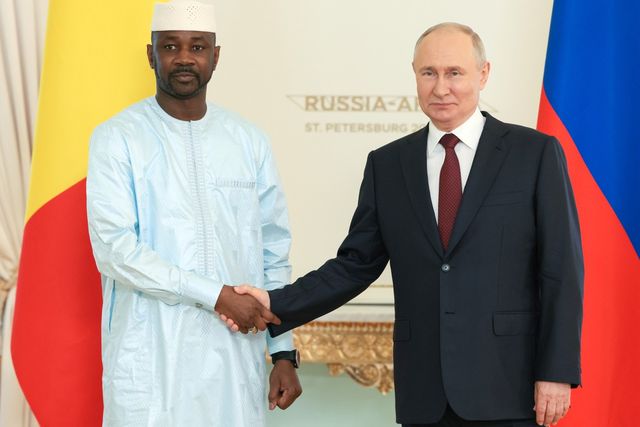
Mali, Burkina Faso and Niger are often described as having swapped France for Russia. The record shows something narrower: the security layer of France's presence was replaced quickly, through Wagner and Turkish drones, while the development finance, monetary architecture and institutional access that came with it were not replaced at comparable scale by anyone.
-
Analysis · Africa
The G20 Common Framework Fixed Who Sits at the Table. It Never Fixed the Clock.
The Common Framework brought China and the Paris Club into one restructuring process for the first time. It left the timeline open-ended, and the IMF and World Bank have since called the missing standstill and deadline design gaps. The delay, not the generosity of each settlement, has been its most underpriced cost.
-
Analysis · Middle East & North Africa
The Sandals Gatekeepers: How a Houthi–Horn Axis Could Redraw Red Sea Power
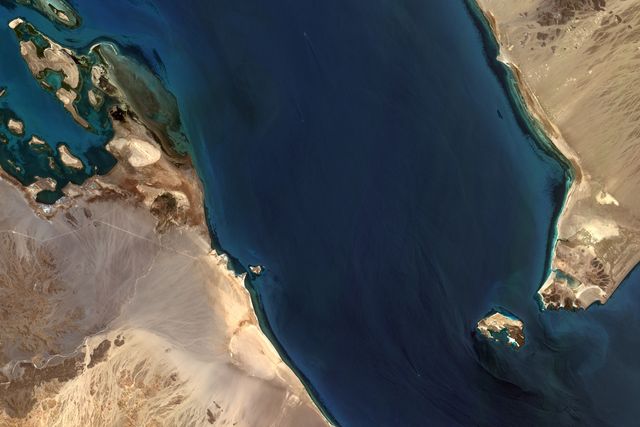
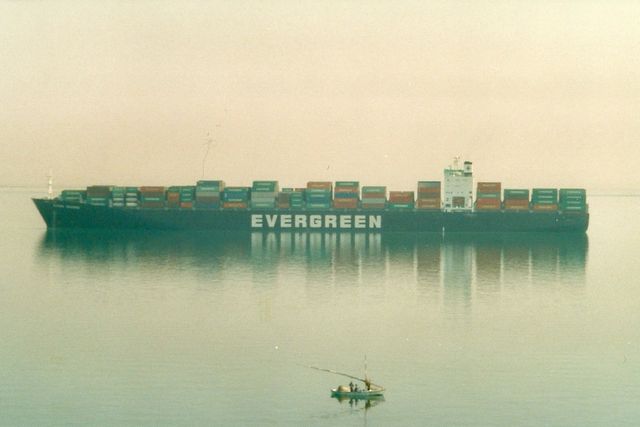
In September the Houthis stopped being an insurgency and became a landlord. With al Shabaab on the opposite shore, the Red Sea faces a dual chokepoint squeeze.
-
Analysis · Africa
The UAE Doesn't Buy Africa's Goods. It Buys the Gates.
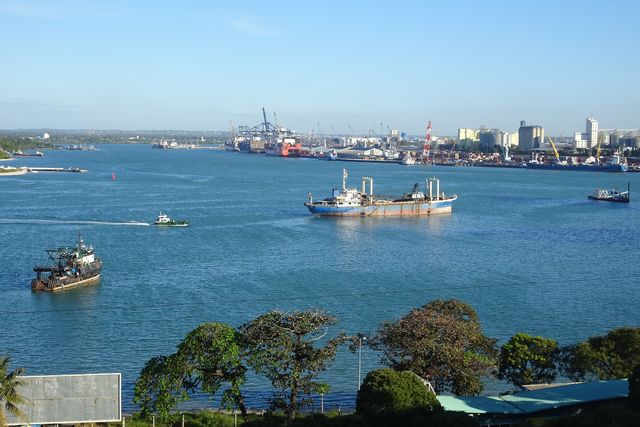
Emirati influence in Africa is better measured by position than by pledges: ports, gold markets and farmland place the UAE at the points where African goods change jurisdiction or form.
-
Analysis · Africa
Egypt Didn't Fix Its Foreign Currency Problem. It Rented a Solution.
The $35 billion Ras El-Hekma deal with the UAE, not structural reform alone, most immediately eased Egypt's foreign-exchange crisis, arriving just as Houthi attacks collapsed Suez Canal revenue.
-
Analysis · Africa
The Migration Management Trap: No Victims, No Criminals—Only Managers
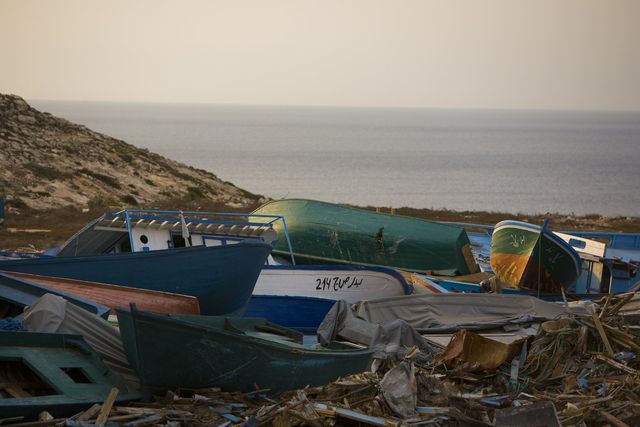
Migration is neither a threat nor a tragedy. It is a system of management—and everyone is a manager.
-
Analysis · Africa
The Global South's Financial Alternative Isn't the One With BRICS on the Door
Africa's most consequential break from dependence on external financial intermediaries is not the BRICS-led New Development Bank, but the Pan-African Payment and Settlement System, a homegrown initiative moving money across African currencies without routing it through a third one.
-
Analysis · Africa
Why Gold Can Buy Political Distance and Garments Cannot
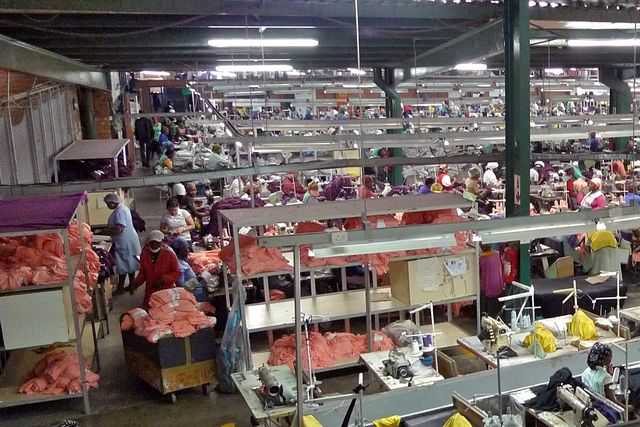
South Africa and Lesotho share a currency and a customs union, and absorbed the same American trade shock. The difference between their outcomes is not primarily about politics. It is about what each country sells, and how much of the value of those exports survives when the buyer changes.
-
Analysis · Africa
Nigeria's Rating Upgrade Is Partly a War Dividend
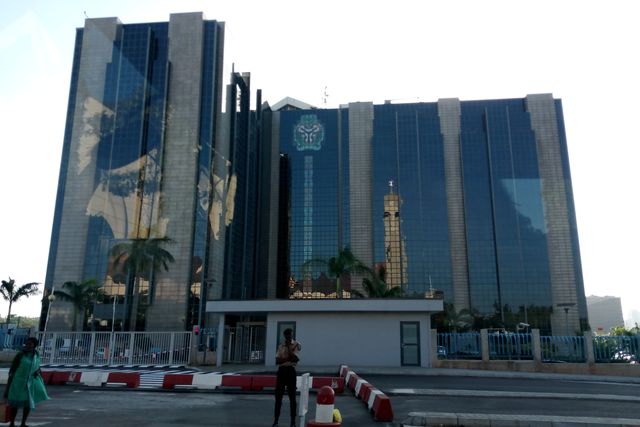
Nigeria's sovereign credit rating upgrade is being presented as proof that three years of painful reform have finally paid off. Some of it has. But part of the improvement traces back to an oil price spike tied to a war Nigeria did not start.
-
Analysis · Africa
Mozambique's LNG Restart Is a Fiscal Bet on Timing
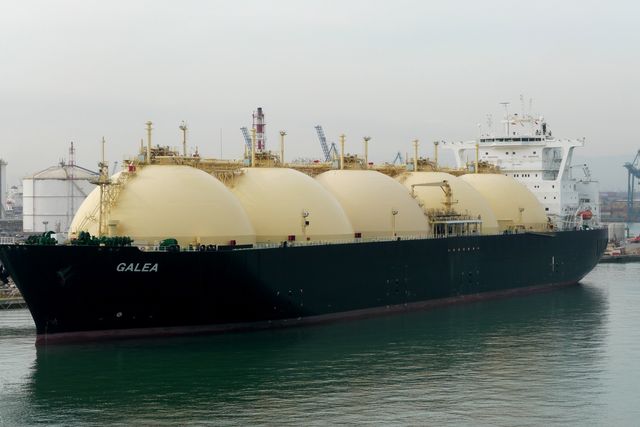
Mozambique's delayed LNG restart could bring major gas revenues into state coffers just as a global supply wave reshapes prices, buyer leverage and the value of that revenue.
-
Analysis · Africa
Mozambique's Mining Law Is a Fiscal Bet on Resource Sovereignty
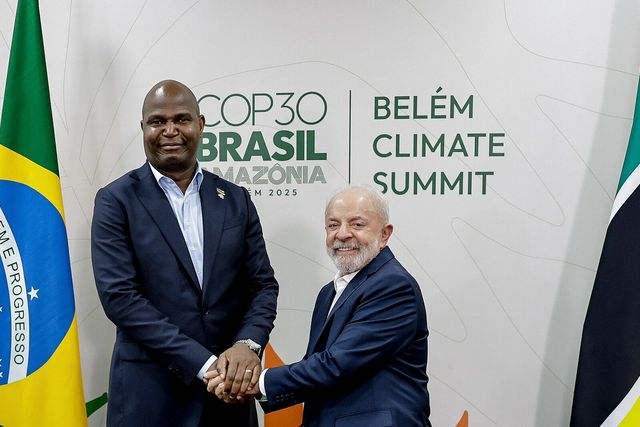
Mozambique's 15% state mining stake could increase public control over mineral resources, but its success will depend on whether the country can attract the investment needed to turn that stake into actual revenue.
-
Analysis · Africa
Who Defines Tunisia's Geopolitical Value? How Its Environment Shapes the State Itself
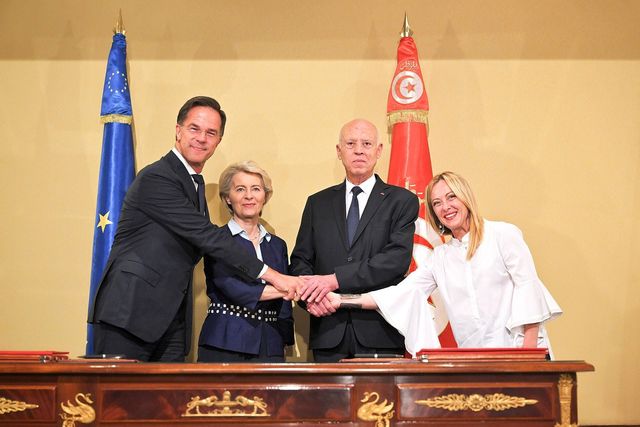
Tunisia's geopolitical value is not simply imposed by Europe, America or China. It is produced through an unequal exchange in which external demands reshape domestic incentives, and eventually the state itself.